Best High-Capacity Sediment Filters for Well Water Homes
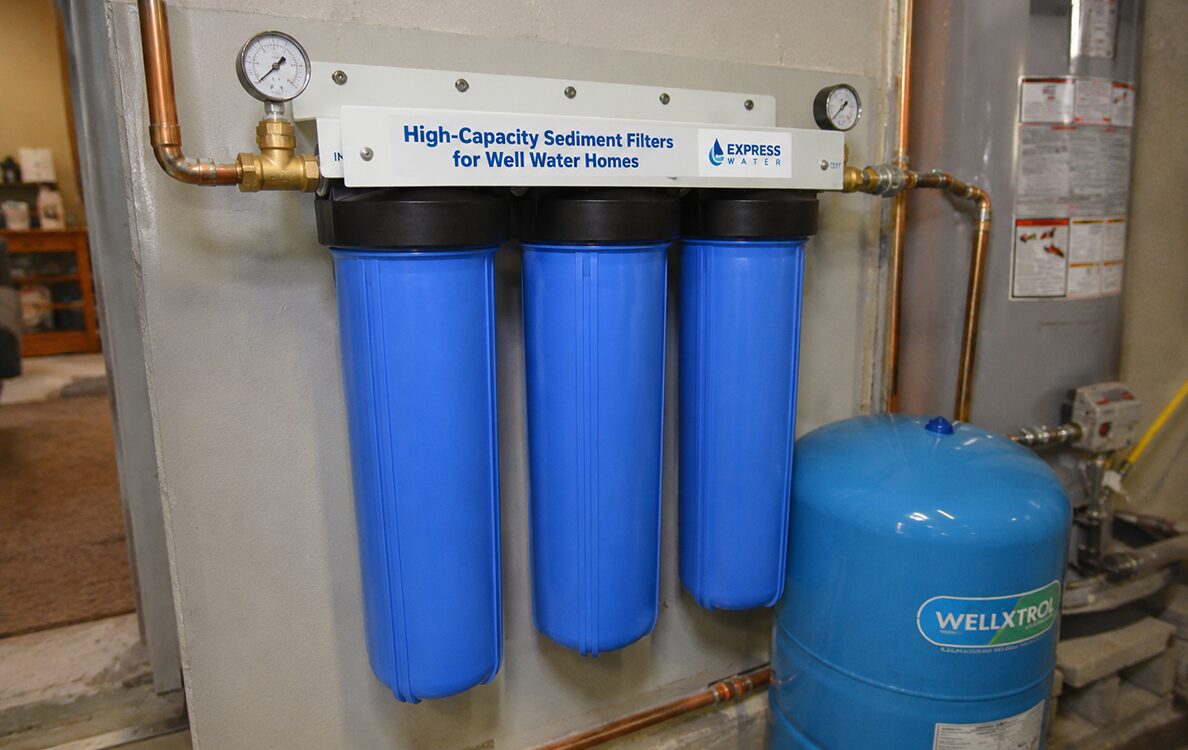
High-capacity sediment filters for well water homes capture suspended particles such as sand, silt and rust before they reach plumbing or downstream equipment. Select a system by particle size, flow rate, sediment load, housing capacity and maintenance interval. Sediment filtration alone does not remove dissolved chemicals or pathogens, so test well water and treat for the contaminants found.
Clean and safe water is essential for household use, and effective filtration is key to achieving this. High-capacity sediment filters are designed to handle the unique challenges of well water, providing a reliable solution for homeowners.

By understanding the role of these filters, homeowners can better protect their homes from the risks associated with sediment in well water.
Key Takeaways
- High-capacity sediment filters are crucial for well water homes.
- Effective filtration prevents damage to plumbing and appliances.
- Clean and safe water is essential for household use.
- Sediment filters handle the unique challenges of well water.
- Proper filtration provides long-term cost savings.
Well Water Sediment Challenges in Rural Homes
Rural homes relying on well water often face significant challenges due to sediment presence. Sediment can include various particles such as sand, silt, and clay, which can affect the quality and usability of the water.
Common Sediment Types in Well Water
Well water can contain a variety of sediments, including sand, silt, and clay. These sediments can enter the well through various means, such as surrounding soil erosion or aquifer contamination. Understanding the types of sediment present is crucial for selecting the appropriate sediment removal systems for rural homes.
Impact of Sediment on Home Plumbing Systems
Sediment in well water can have a significant impact on home plumbing systems. It can cause clogs, damage pipes, and reduce the efficiency of water heaters and other appliances. Regular maintenance and the right well water treatment solutions can mitigate these issues.
Regional Variations in Sediment Composition
The composition of sediment in well water can vary significantly by region, depending on geological factors. For instance, areas with high clay content in the soil may have well water with more clay particles. Understanding these regional variations is essential for choosing the most effective sediment filtration system.
By recognizing the types of sediment present in well water and their potential impact on plumbing systems, rural homeowners can make informed decisions about their well water treatment solutions, ensuring cleaner, safer water for their households.
Why Effective Sediment Filtration Matters
For homeowners relying on well water, effective sediment filtration is a necessity. Sediment in well water can cause a range of problems, from aesthetic issues like cloudy water or unpleasant tastes, to more serious concerns such as damage to plumbing and appliances.
Protecting Plumbing and Appliances
High flow sediment filters play a crucial role in protecting home plumbing systems and appliances from the damaging effects of sediment. By removing particles and debris, these filters help prevent clogs, reduce wear and tear on equipment, and minimize the risk of costly repairs.
Improving Water Quality and Taste
Effective sediment filtration not only protects plumbing and appliances but also significantly improves water quality and taste. By removing sediment and other particles, durable well water sediment filters can make water clearer, cleaner, and more palatable.
Extending the Life of Secondary Water Treatment Systems
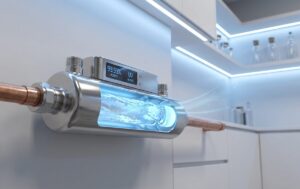
Investing in a high-quality sediment filter can also extend the life of secondary water treatment systems, such as water softeners or UV purifiers. By removing sediment and debris upfront, these systems can operate more efficiently and effectively, reducing maintenance needs and prolonging their lifespan.
The benefits of effective sediment filtration are clear. By incorporating a reliable and high flow sediment filter into their well water system, homeowners can enjoy cleaner water, reduced maintenance costs, and increased peace of mind.
High-Capacity Sediment Filters for Well Water: System Types
Sediment filtration systems for wells come in different types, each designed to address specific water quality issues. The choice of system depends on factors such as the amount of sediment, water usage, and maintenance preferences.
Spin-Down Sediment Filters
Spin-down sediment filters are a popular choice for well water systems. These filters use a spinning motion to separate sediment from the water, allowing for efficient removal of particles. They are often used as pre-filters to protect more sensitive equipment downstream.
Cartridge-Based Systems
Cartridge-based systems are another common type of sediment filter. These systems use replaceable cartridges that trap sediment particles. They are available in various micron ratings and can be used for both coarse and fine filtration.
Backwashing Sediment Filters
Backwashing sediment filters offer a convenient maintenance solution. These filters can be cleaned by reversing the flow of water, removing accumulated sediment without the need for replacement cartridges.
Multi-Stage Filtration Systems
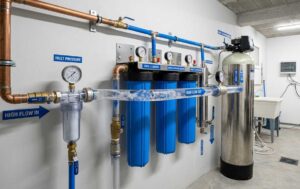
Multi-stage filtration systems provide comprehensive protection by combining different filtration technologies. These systems can include a combination of sediment filters, activated carbon, and other treatment stages to address various water quality issues.
By understanding the different types of high-capacity sediment filters available, homeowners can make informed decisions about their well water treatment needs.
Understanding Sediment Filter Mechanics
To choose the right sediment filter, it’s crucial to understand how they work. Sediment filters are designed to remove particulate matter from well water, protecting plumbing systems and appliances from damage.
Mechanical Filtration Processes
Sediment filters operate through mechanical filtration processes, capturing particles as water flows through the filter medium. The filter’s design determines its effectiveness in removing sediment. Advanced sediment removal filters use various materials and designs to optimize particle capture.

Micron Ratings Explained
The micron rating of a sediment filter indicates its ability to capture particles of a certain size. A lower micron rating means the filter can capture smaller particles, resulting in cleaner water. Understanding micron ratings is essential for selecting a filter that meets your water quality needs.
Flow Rate and Pressure Considerations
Flow rate and pressure are critical factors in sediment filter performance. A filter must be able to handle the household’s water demand without significantly reducing water pressure. Proper sizing and selection of sediment filter cartridges ensure optimal performance and longevity of the filtration system.
Sediment Filter Cartridges: Materials and Designs
Sediment filter cartridges come in various materials and designs, each with its own strengths and weaknesses in removing sediment from well water. The choice of cartridge can significantly impact the effectiveness and maintenance of the sediment filter.
String-Wound Cartridges
String-wound cartridges are made by winding a string or yarn around a core, creating a filter that captures sediment as water passes through. They are effective at removing larger particles and are often used as pre-filters in multi-stage systems.
Pleated Sediment Filters
Pleated sediment filters have a larger surface area due to their pleated design, allowing for higher flow rates and longer filter life. They are available in various micron ratings and are suitable for a wide range of well water applications.
Melt-Blown Polypropylene Options
Melt-blown polypropylene cartridges are made from a type of plastic that is melted and blown into a fiber form. They are known for their high dirt-holding capacity and are often used in sediment filtration systems for well water.
Reusable vs. Disposable Cartridges
The decision between reusable and disposable cartridges depends on several factors, including maintenance preferences and budget. Reusable cartridges can be cleaned and reused multiple times, while disposable cartridges are designed to be replaced when they become clogged.
When selecting a sediment filter cartridge, it’s essential to consider factors such as flow rate, micron rating, and compatibility with your existing filtration system. By choosing the right cartridge, you can ensure effective sediment removal and maintain the overall health of your well water system.
High Flow Sediment Filters for Large Rural Properties
For expansive rural homes, high flow sediment filters are not just a luxury, but a necessity. These properties often have higher water demands due to larger living spaces, multiple bathrooms, and potentially, irrigation systems or livestock watering needs.

Commercial-Grade Systems for Residential Use
Large rural properties can benefit from commercial-grade sediment filtration systems, designed to handle high flow rates and larger sediment loads. These systems are typically more robust and durable than standard residential filters, ensuring consistent water quality even under heavy use.
“Commercial-grade systems offer the reliability and performance needed for large rural homes,” says a water treatment expert. “They can handle the high demands of these properties while maintaining water quality.”
Dual-Tank Configurations
For properties with extremely high water demands, dual-tank sediment filter configurations can be an effective solution. These systems use two tanks in parallel, effectively doubling the filtration capacity and allowing for continuous operation even during filter maintenance.
High-Volume Applications
High-volume applications, such as irrigation systems or agricultural uses, require sediment filters that can handle large flow rates without significant pressure drop. High flow sediment filters designed for these applications ensure that water is properly filtered without compromising system performance.
Agricultural Considerations
For rural properties with agricultural activities, sediment filtration is crucial not only for household water but also for protecting livestock and irrigation systems. High flow sediment filters can help remove sediment and debris that could clog irrigation equipment or harm animals.
By choosing the right high flow sediment filter, large rural properties can ensure clean, sediment-free water for all their needs, from household use to agricultural applications.
Selecting the Right Sediment Removal System for Your Well
To ensure effective sediment removal from your well water, it’s essential to select a system that meets your specific needs. “A well-designed sediment filtration system is the cornerstone of a reliable well water treatment strategy,” as emphasized by water treatment experts.
Water Testing and Analysis
The first step in selecting the right sediment removal system is to conduct a comprehensive water test. This analysis will help identify the types and amounts of sediment present in your well water, guiding the choice of filtration technology.
Determining Household Water Demand
Understanding your household’s water demand is crucial for choosing a sediment filtration system that can handle your water needs. Consider factors such as family size, water-using appliances, and peak usage times.
Considering Space Requirements
The available space for the filtration system is another important consideration. Measure the area where you plan to install the system to ensure it fits comfortably, allowing for easy maintenance access.
Budget Planning
Establishing a budget is vital when selecting a sediment removal system. Consider not only the initial purchase price but also ongoing maintenance costs, replacement filter costs, and potential energy consumption.
By carefully evaluating these factors, you can select a sediment removal system that effectively protects your home’s plumbing and appliances, ensuring clean and safe well water for years to come.
Installation Best Practices for Whole House Sediment Filters
When it comes to whole house sediment filters, installation best practices can’t be overstated. Proper installation is crucial for the effectiveness of the sediment filter, ensuring that it operates efficiently and effectively.
Optimal Placement in Your Water System
The whole house sediment filter should be installed at the point of entry for your water system, typically near the water meter or where the water line enters your home. This strategic placement ensures that all water flowing into your home is filtered, protecting your plumbing and appliances from sediment damage.
DIY vs. Professional Installation
While some homeowners may consider DIY installation, professional installation is often recommended for whole house sediment filters, especially high flow sediment filters designed for larger homes or well water systems. Professionals can ensure that the filter is correctly sized and installed, minimizing the risk of future issues.
Necessary Tools and Components
A successful installation requires the right tools and components. This includes the sediment filter unit, appropriate piping, fittings, and a bypass valve, which allows for easy maintenance and filter replacement without disrupting water service.
Bypass Valve Importance
The bypass valve is a critical component that enables you to divert water around the filter during maintenance or replacement, ensuring continuous water supply. It’s an essential feature for whole house sediment filters, particularly in homes relying on well water.
Maintenance Requirements and Schedules
To ensure the longevity of your sediment filter, a consistent maintenance schedule is crucial. Regular maintenance not only prolongs the life of the filter but also ensures that your well water remains clean and safe for consumption.
Cleaning and Backwashing Procedures
Cleaning and backwashing are essential procedures for maintaining the effectiveness of your sediment filter. For filters that allow it, backwashing can significantly reduce the frequency of cartridge replacements. It’s recommended to backwash your filter every 1-3 months, depending on usage and water conditions.
Filter Replacement Timelines
Understanding when to replace your sediment filter cartridges is vital. Typically, cartridges should be replaced every 6-12 months. However, this can vary based on the filter type, water quality, and household water demand. Always refer to your manufacturer’s guidelines for specific replacement intervals.
Monitoring System Performance
Regularly monitoring your sediment filter’s performance is key to identifying potential issues before they become major problems. Keep an eye on water pressure and flow rates, as decreases can indicate a clogged filter. Monitoring system performance helps in maintaining optimal water quality.
Seasonal Maintenance Considerations
Seasonal changes can impact your well water’s sediment load, necessitating adjustments in your maintenance schedule. For instance, during heavy rainfall seasons, your filter may need more frequent cleaning or replacement.
“Adjusting your maintenance schedule according to seasonal changes can significantly improve the effectiveness of your sediment filter.”
By following these maintenance tips and schedules, you can ensure that your sediment filter continues to provide clean and safe well water for your household, protecting your plumbing and appliances from sediment damage.
Best Sediment Filters for Well Water in 2025
As we approach 2025, the market offers a range of superior sediment filters for well water, catering to various needs and budgets. Homeowners can now choose from a variety of advanced systems designed to improve water quality and protect plumbing infrastructure.
Top Cartridge-Based Systems
Cartridge-based sediment filters remain a popular choice due to their effectiveness and ease of maintenance. Top-rated models include those with high-capacity cartridges that can handle large volumes of water without frequent replacements. Brands like 3M and Pentair offer reliable options with micron ratings suitable for capturing fine sediments.
Leading Backwashing Filters
Backwashing filters are ideal for high-flow applications and can be a cost-effective solution in the long run. Notable models feature durable construction and efficient backwashing mechanisms, reducing waste and maintenance efforts. WaterChef and Rainfresh are among the brands offering high-quality backwashing sediment filters.

Best Multi-Stage Solutions
Multi-stage filtration systems provide comprehensive protection by combining different filtration technologies. These systems are particularly beneficial for well water with varied contaminant profiles. Leading brands like Aquasana and Culligan offer multi-stage filters that not only remove sediments but also address other water quality issues.
Budget-Friendly Options
For homeowners on a budget, there are still effective sediment filter options available. Affordable models from brands like Filtrex and Water Filter Store provide reliable performance without the high price tag. These filters often feature simple designs and easy-to-replace cartridges, making them accessible to a wider range of consumers.
When selecting the best sediment filter for your well water in 2025, consider factors such as flow rate, micron rating, and maintenance requirements. By choosing a top-rated filter that meets your specific needs, you can ensure clean and safe water for your household.
Troubleshooting Common Sediment Filter Issues
Effective sediment filtration is key to clean well water, but issues can arise if not properly maintained. Homeowners may encounter several common problems with their sediment filters.
Decreased Water Pressure
A drop in water pressure often indicates a clogged filter. Regularly checking and replacing filter cartridges can prevent this issue. Ensure that the filter is appropriately sized for your household’s water demand to maintain optimal pressure.
Breakthrough Sediment
If sediment is passing through the filter, it may be due to a compromised filter cartridge or incorrect micron rating. Inspecting the cartridge for damage and verifying its micron rating can resolve this problem.
Premature Filter Clogging
Filters clogging too quickly can be a sign of high sediment levels in the well water. Consider upgrading to a high-capacity sediment filter or pre-treatment systems to handle heavy sediment loads.
System Leaks and Fixes
Leaks in the sediment filtration system can lead to reduced efficiency and water damage. Regularly inspect connections and fittings for signs of leakage, and tighten or replace them as needed.
Conclusion: Ensuring Clean Well Water Through Effective Filtration
Effective sediment filtration is crucial for maintaining clean and safe well water in rural homes. High-capacity sediment filters for well water play a vital role in removing various contaminants, protecting plumbing systems, and improving overall water quality.
By investing in a suitable well water filtration system and following a regular maintenance schedule, homeowners can enjoy reliable access to clean water. Properly maintained sediment filters not only enhance water taste and clarity but also extend the lifespan of secondary water treatment systems.
When selecting a sediment filter, consider factors such as household water demand, available space, and budget. With the right high-capacity sediment filter in place, homeowners can safeguard their water supply and enjoy peace of mind knowing their well water is clean and safe for consumption.