UV + RO Combo Systems: The Ultimate Guide to Pure Drinking Water at Home
UV RO combo systems pair reverse osmosis, which can reduce selected dissolved contaminants, with ultraviolet treatment designed to inactivate susceptible microorganisms in appropriately treated water. Effectiveness depends on the membrane, UV dose, pretreatment, flow rate and maintenance. Verify model-specific performance claims and certifications rather than assuming the combination removes every contaminant.
In many homes, drinking water quality is not perfect. A uv ro water system is a great fix. It uses UV and RO tech for ultimate home purification.

This combo system makes sure your drinking water is clean. It’s free from dissolved impurities and sterilized. It’s a top rated uv ro system for those who want pure water at home.
Key Takeaways
- UV + RO combo systems provide comprehensive purification.
- They remove dissolved impurities and sterilize water.
- Ideal for households seeking ultimate home purification.
- Enhance the safety and quality of drinking water.
- A reliable solution for clean drinking water at home.
The Evolution of Home Water Purification
Home water purification has changed a lot over time. People are worried about water quality more than ever. They want to make sure their drinking water is safe.
The Growing Concern About Water Quality in America
Water quality in the U.S. is a big problem. Many water sources have harmful substances. These include bacteria, viruses, and chemical pollutants.
“The Safe Drinking Water Act requires the EPA to set standards for drinking water quality and oversee the states, localities, and water suppliers who implement those standards.”
The Environmental Protection Agency (EPA) has strict rules. But, many people are still worried about their water.
| Contaminant | Health Risk | Removal Method |
|---|---|---|
| Bacteria, Viruses | Infections, Diseases | UV Disinfection, RO |
| Chemical Pollutants | Cancer, Neurological Damage | Activated Carbon, RO |
| Heavy Metals | Organ Damage, Developmental Issues | RO, Ion Exchange |
From Simple Filters to Advanced Purification Systems
Water treatment has come a long way. Now, we have advanced systems like UV RO combo systems. These systems use Reverse Osmosis (RO) and Ultraviolet (UV) light to protect against many contaminants.
UV RO combo systems work well. RO removes dissolved solids, and UV light kills bacteria and viruses. This way, the water is clean and safe.
These systems are getting better, cheaper, and easier to use. They are a great choice for those who want ultimate home purity.
Understanding UV RO Water Systems for Ultimate Home Purification
UV RO systems are changing how we purify water at home. They mix two strong technologies. This makes sure our water is clean and safe to drink.
Reverse Osmosis Filtration Process
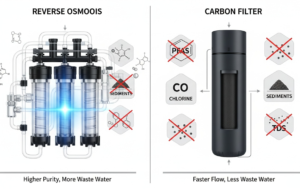
The RO part of UV RO systems is key. It pushes water through a special membrane. This membrane filters out bad stuff based on size and charge.
APEC’s data shows their RO systems can remove up to 99% of contaminants. This includes dissolved solids, bacteria, and viruses.
Key aspects of the RO filtration process include:
- Removal of dissolved solids and minerals
- Elimination of bacteria, viruses, and other microorganisms
- Reduction of chemical contaminants and heavy metals
| Contaminant Type | Removal Efficiency |
|---|---|
| Dissolved Solids | Up to 99% |
| Bacteria and Viruses | Up to 99% |
| Chemical Contaminants | Up to 95% |
Ultraviolet Disinfection Technology
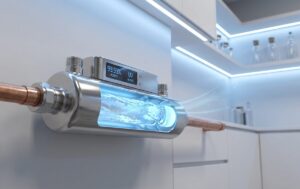
UV disinfection is another big part of UV RO systems. It uses UV light to kill microorganisms. This makes water safe from harmful pathogens.
The benefits of UV disinfection include:
- Effective against a broad spectrum of microorganisms
- No chemicals or additives required
- Minimal maintenance and energy consumption

How These Technologies Work Together
UV RO systems combine RO filtration and UV disinfection. RO filters out many contaminants. UV disinfection kills any remaining microorganisms.
The synergy between RO and UV technologies offers several advantages:
- Enhanced removal of contaminants
- Improved water safety and quality
- Increased peace of mind for homeowners
Health Benefits of Combined UV Filtration in Your Home
Adding a combined UV filtration system to your home can greatly improve your drinking water quality. This advanced technology brings many health benefits. It’s a key part of a premium home water setup.
Elimination of Harmful Microorganisms
A best UV RO water system is great at killing harmful microorganisms. UV light works well against bacteria, viruses, and other pathogens. This means your drinking water will be safe from these dangers.

Removal of Chemical Contaminants and Heavy Metals
A combined UV system, paired with Reverse Osmosis (RO), also removes chemicals and heavy metals. RO is known for filtering out dissolved solids like lead and chlorine. This gives you a complete solution for clean drinking water.
Impact on Family Health and Well-being
Having a premium home water setup with UV filtration is very beneficial for your family’s health. It ensures your drinking water is clean and safe. This reduces the risk of waterborne illnesses and improves your overall health and well-being.
In summary, getting a best UV RO water system is a smart move for your family’s health. It kills harmful microorganisms and removes chemicals, making it a big step forward in home water purification.
Common Water Contaminants Targeted by Bacteria Removal RO Systems
Bacteria removal RO systems help make drinking water safe. They remove many kinds of contaminants from tap water. This is important for keeping our water clean.
Biological Threats: Bacteria, Viruses, and Parasites
Biological contaminants are a big worry in water quality. These include:
- Bacteria: Such as E. coli and Salmonella, which can cause severe gastrointestinal issues.
- Viruses: Including Rotavirus and Norovirus, known to lead to viral gastroenteritis.
- Parasites: Like Giardia and Cryptosporidium, which can result in parasitic infections.
UV water purifiers are great at fighting these biological threats. They can kill up to 99.9% of harmful microorganisms.
Chemical Pollutants: Chlorine, Lead, and Pharmaceuticals
Chemical pollutants are also a problem. Bacteria removal RO systems target these. These include:
- Chlorine: While used as a disinfectant, excessive chlorine can be harmful to health.
- Lead: Leached from old pipes, lead is toxic and can cause developmental issues, specially in children.
- Pharmaceuticals: Residues of medications that can enter the water supply and potentially affect human health.
Reverse Osmosis (RO) technology is good at removing these chemical pollutants. It makes drinking water cleaner and safer.
Regional Water Concerns in the United States
Water quality varies across the United States. For example:
- Fluoride contamination is a concern in areas where natural fluoride levels are high.
- Agricultural runoff can introduce pesticides and nitrates into water sources.
- Industrial pollutants are more prevalent in areas with significant industrial activity.
Advanced water purification technology, like UV + RO combo systems, can tackle these regional concerns. It provides comprehensive water treatment solutions.
In conclusion, bacteria removal RO systems are key for dealing with water contaminants in the United States. By using advanced purification technologies, we can ensure safe and clean drinking water for everyone.
Key Components of Top-Rated UV RO Systems
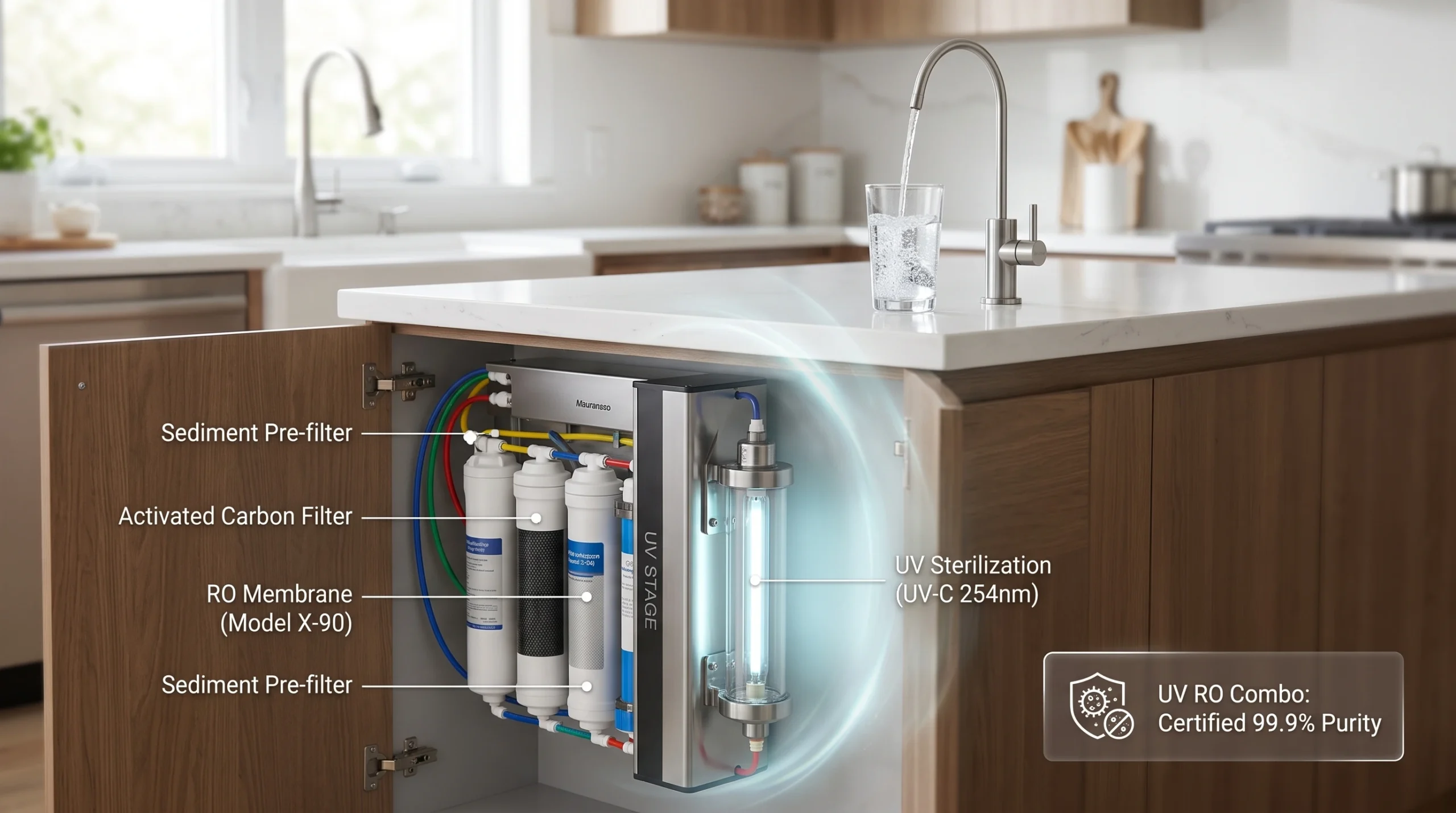
UV RO water systems work well because of key parts that remove bacteria efficiently. They clean water in many stages, tackling different contaminants.
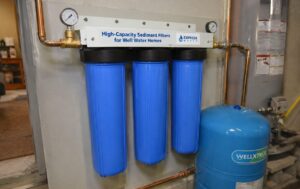
Pre-Filtration Stages and Sediment Filters
Pre-filtration is vital in water cleaning. It gets rid of big particles and sediments that could harm the RO membrane or lessen the UV system’s power. A sediment filter is often the first defense, catching particles as small as 1-5 microns.
Key features of pre-filtration stages include:
- Removing sediments and larger particles
- Protecting the RO membrane from damage
- Improving the overall efficiency of the system
RO Membrane Quality and Performance Metrics
The RO membrane is crucial for water purification, removing dissolved solids and contaminants. Top-rated UV RO systems use high-quality membranes with high rejection rates and durability.
Important performance metrics for RO membranes include:
| Metric | Description | Typical Value |
|---|---|---|
| Rejection Rate | Percentage of contaminants removed | 95-99% |
| Flow Rate | Amount of water produced per day | 50-100 GPD |
| Membrane Life | Expected lifespan of the RO membrane | 2-3 years |
UV Chamber Design and Bulb Specifications
The UV chamber uses ultraviolet light to kill bacteria and viruses. Top systems have UV chamber designs for the best exposure.
Key aspects of UV chamber design include:
- Quartz sleeve protection for the UV bulb
- Optimized chamber geometry for maximum UV exposure
- Electronic ballasts for consistent UV output

Storage Tank and Post-Treatment Components
After purification, water goes into a tank to prevent contamination. Some systems also have post-treatment parts like remineralization or alkaline filters to improve water quality.
Features of storage tanks and post-treatment components:
- Food-grade materials for storage tanks
- Optional remineralization or alkaline filters
- Easy maintenance and cleaning designs
Installation Guide for Premium Home Water Setups
Setting up a top-performing UV RO system at home is key. A well-installed system gives you clean, safe drinking water. It also makes the system last longer and work better.
Space Requirements and System Placement
Before you start, check how much space you have. Pick a spot that’s well-ventilated and easy to get to. It should also be near the main water line. APEC systems have manuals and support to help you install it right.
Think about these things when choosing a spot:
- How close it is to the main water line
- If there’s enough room for the system and its parts
- If it’s easy to get to for upkeep and filter changes
- If it’s safe from very hot or cold temperatures and sunlight
DIY Installation Steps vs. Professional Services
You can install your UV RO system yourself or get a pro to do it. DIY might save money, but it’s important to think about the risks. “A bad installation can make the system work less well, cost more to fix, and even damage your water.”
DIY steps are:
- Turn off the main water and get ready to install
- Put the system together as the maker says
- Connect it to the water line and set up drainage
- Check that it works right and the water is good
But, getting a pro to install it has its own perks. They know what they’re doing and can give you a warranty.
“A pro can make sure the system is set up right and works great, giving you peace of mind.”
Integration with Existing Home Plumbing
Hooking up a UV RO system to your plumbing needs planning. You need to find the best spots to connect, make sure it fits with your plumbing, and test it. This ensures it meets your water quality needs.
To do it right:
- Look at the maker’s instructions for how to install
- Check your plumbing to find the best spots to connect
- Make sure the system is the right size for your water use
By following these tips and thinking about your home’s needs, you can get a top UV RO system. It will give you clean, safe, and tasty drinking water.
Maintenance Requirements for Efficient Bacteria Removal Systems
To keep your efficient bacteria removal system working well, regular maintenance is key. This includes several important tasks. They help keep the system running smoothly and last longer.
Filter Replacement Schedules and Procedures
Replacing filters on time is a major part of maintenance. For UV RO systems, you should replace pre-filters every 6-12 months. Also, the RO membrane needs to be replaced every 2-3 years. Regular filter replacement is vital for effective contaminant removal.
To replace filters, first shut off the water supply. Then, relieve the system’s pressure. After that, swap out the old filters for new ones. Always follow the manufacturer’s instructions to avoid system damage.
UV Lamp Maintenance and Replacement
The UV lamp is crucial for killing harmful microorganisms. It’s recommended to replace the UV lamp annually, even if it seems to be working fine.
Also, clean the quartz sleeve around the UV lamp every 6-12 months. This removes any buildup that could lessen the lamp’s effectiveness. To clean, turn off the power, let the lamp cool, and then use a soft cloth and mild solution.
Troubleshooting Common Issues
Even with regular maintenance, problems can still occur with your UV RO system. Issues might include reduced water flow, strange tastes or odors, or system alarms.
- For reduced water flow, check the pre-filters and RO membrane for clogging or wear.
- If you notice unusual tastes or odors, inspect the system for any signs of leakage or contamination.
- System alarms usually indicate a specific issue, such as low UV intensity, which may require replacing the UV lamp.
Regular checks and quick fixes can prevent bigger problems. Keeping a maintenance log is also helpful. It tracks when tasks are done and when parts are replaced.
Cost-Benefit Analysis of Advanced Water Purification Technology
When looking for the best UV RO water system, it’s key to do a cost-benefit analysis. This means looking at the initial cost, ongoing expenses, and the long-term savings and health gains. These advanced systems offer a lot of benefits.
Initial Investment and Installation Costs
The cost of a UV RO water system varies a lot. It depends on the brand, size, and features. A good system can cost between $500 and $2,000. Adding installation costs, whether you do it yourself or hire a pro, can increase the total cost.
Key components that affect the initial cost include:
- Pre-filtration stages
- RO membrane quality
- UV chamber and bulb specifications
- Storage tank and post-treatment components
Ongoing Maintenance Expenses
Keeping your UV RO system in top shape is important. This means replacing filters, checking the RO membrane, and servicing the UV lamp regularly.
The table below shows typical maintenance costs for a UV RO system:
| Component | Average Replacement Cost | Replacement Frequency |
|---|---|---|
| Pre-filters | $20-$50 | Every 6-12 months |
| RO Membrane | $50-$100 | Every 2-3 years |
| UV Lamp | $30-$70 | Every 1-2 years |
Long-term Savings and Health Benefits
The costs of a UV RO water system are high at first and for maintenance. But, the long-term benefits are huge. These systems provide clean drinking water, which can lower medical bills from waterborne illnesses.
The health benefits include:
- Reduction in waterborne diseases
- Lower risk of certain cancers and other health issues related to chemical contaminants
- Improved overall health and well-being
In conclusion, while the costs of a UV RO water system are high, the long-term savings and health benefits make it a smart investment for your home.
Conclusion: Embracing the Future of Home Water Purification
Having a good water purification system is very important. UV + RO combo systems are a great solution for clean water at home.
These systems use UV light and reverse osmosis to remove many harmful things from water. This includes bacteria, viruses, and chemicals.
Choosing a UV RO system is a smart move for your family’s health. As water quality worries grow, using advanced tech like UV RO is key.
These systems make water better, lower the risk of getting sick, and save money in the long run. Adding a UV RO system to your home is a smart choice. Start making your water safer today.