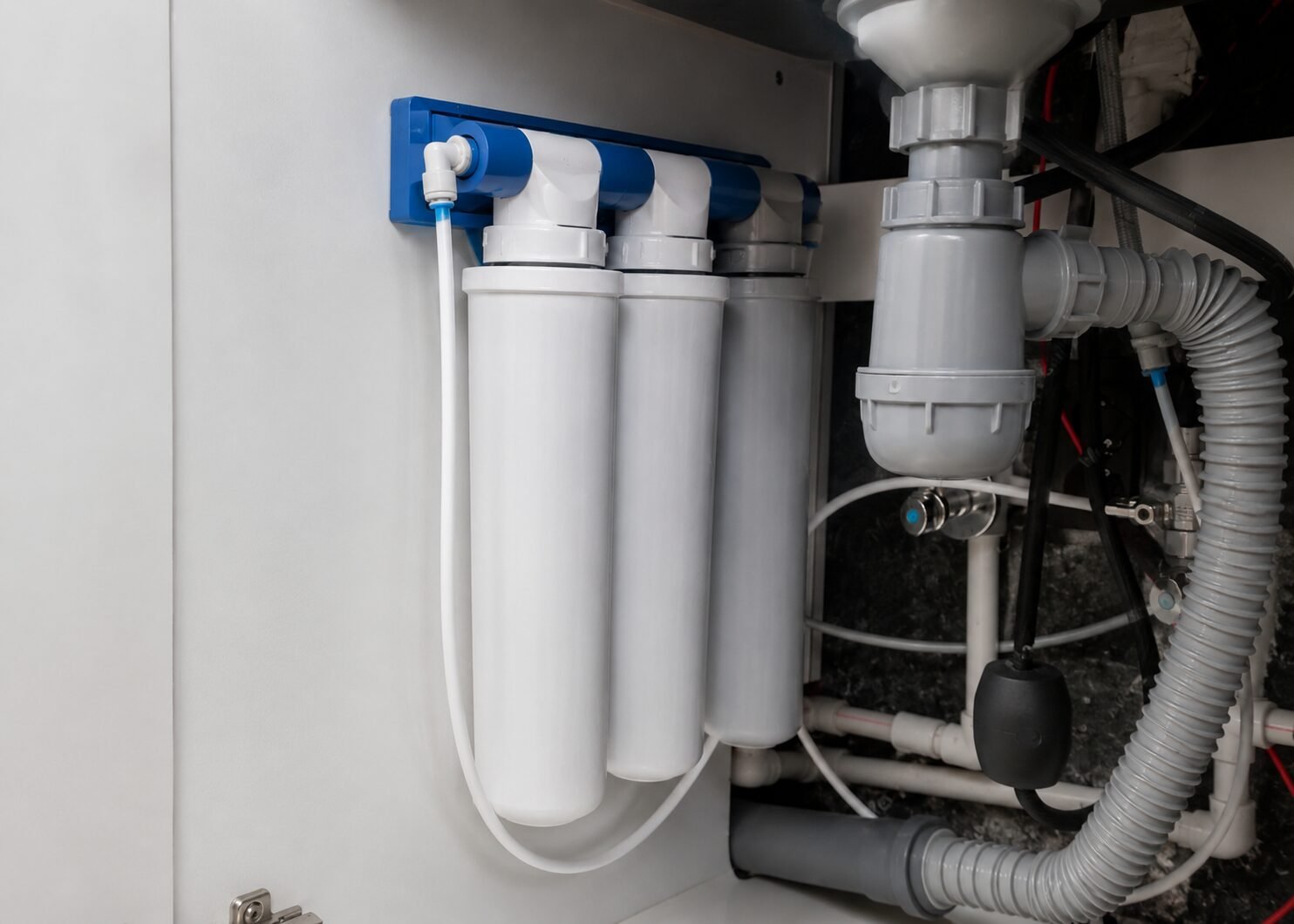
Dual-Stage Water Filter: Best Sediment + Carbon System for City Water
Dual-stage water filters combine sediment filtration with activated carbon to address different water-quality concerns. The sediment stage can trap suspended particles, while a properly selected carbon stage may reduce chlorine taste and odor and certain compounds. Confirm the system’s certified reduction claims and test your water; neither stage alone guarantees that tap water is safe from every contaminant.

This method gets rid of dirt and harmful chemicals. It also removes bad smells. This makes your drinking water cleaner and healthier.
Key Takeaways
- Dual-stage filtration combines sediment and carbon filters for comprehensive water treatment.
- this dual-stage water filter effectively removes contaminants, chemicals, and odors from city water.
- Improved water quality enhances overall health and well-being.
- A dual-stage filtration system is a reliable solution for municipal water supplies.
- Clean drinking water is essential for household needs.
Understanding City Water Quality Challenges
It’s important to know about city water quality challenges to ensure safe drinking water. Municipal water is treated but can still have contaminants. These can harm your health and make water taste bad.
Common Contaminants in Municipal Water Supplies
Municipal water can have many contaminants. These include sediments, chlorine, chloramines, heavy metals, and VOCs. These can get into the water from old pipes, farm runoff, and industrial waste.
Sediments are things like dirt and rust from pipes. Chlorine and chloramines can make water taste bad. Heavy metals like lead can come from corroded pipes.
| Contaminant | Source | Health Impact |
|---|---|---|
| Sediments | Aging infrastructure | Gastrointestinal issues |
| Chlorine/Chloramines | Water treatment process | Respiratory problems, cancer risk |
| Heavy Metals | Corroded pipes | Neurological damage, organ failure |
Regional Variations in Water Quality Across the US
Water quality changes a lot across the US. This is due to different sources, treatment, and pipes. For example, areas with farms may have more nitrates and pesticides.
- Source water quality: Rivers, lakes, and groundwater vary based on land and geology.
- Treatment processes: Different methods can remove or not remove contaminants, affecting quality.
- Distribution infrastructure: Old pipes can add contaminants, making water worse.
Health Implications of Untreated City Water
Drinking untreated city water can cause health problems. These range from mild stomach issues to serious diseases like cancer. Sediments, chlorine, and heavy metals are big concerns if not filtered out.
A sediment filter can clear out particles, making water clearer and safer. A carbon filter can get rid of chlorine, chloramines, and VOCs. This improves taste and reduces health risks.
Dual-Stage Filtration Sediment Carbon City Water Systems Explained
Understanding dual-stage filtration is key to clean drinking water in cities. It has two stages: removing big particles and then getting rid of chemicals.
The Two-Stage Filtration Process
The system fights off many contaminants in city water. First, a sediment filter takes out big particles. Then, a carbon filter gets rid of chemicals, making the water taste better and smell fresher.

How Sediment Filters Remove Particulates
Sediment filters catch dirt, debris, and rust. They have different micron ratings, showing how well they filter. A lower micron rating means they catch smaller particles.
| Micron Rating | Particle Size Captured | Typical Applications |
|---|---|---|
| 1-5 microns | Very fine particles | Drinking water, food processing |
| 5-10 microns | Fine particles | General water filtration, household appliances |
| 10+ microns | Larger particles | Pre-filtration, sediment removal |
How Carbon Filters Eliminate Chemical Contaminants
Carbon filters use activated carbon to remove chemicals like chlorine and VOCs. The activated carbon adsorbs contaminants, holding them on its surface.
The Synergistic Effect of Combined Filtration
Using sediment and carbon filters together has a synergistic effect. The sediment filter keeps the carbon filter from getting clogged. The carbon filter then removes chemicals the sediment filter can’t. This makes the water very clean.
Benefits of Dual-Stage Filtration for Homeowners
Homeowners who get dual-stage filtration systems see many benefits. These include better taste and fewer contaminants. These systems tackle common water problems well.

Improved Water Taste and Odor
The first stage filters out sediments and particles. This can change the water’s taste and smell. The second stage uses activated carbon to remove chlorine and other chemicals.
This makes the water cleaner and fresher. It’s perfect for drinking, cooking, and more.
Reduction in Harmful Contaminants
Dual-stage systems are great at cutting down contaminants. They remove lead, mercury, and VOCs. This lowers the risk of health problems from bad water.
Extended Lifespan of Household Appliances
These systems also protect appliances from damage. They stop scale buildup and corrosion. This means appliances like water heaters and dishwashers last longer.
Cost Savings Compared to Bottled Water
Getting a dual-stage water filter saves money too. It means you don’t need to buy as much bottled water. This is good for your wallet and the planet.
The Bottled Water Association says we spend about $300 a year on bottled water. A dual-stage system is a cheaper way to get clean water. It’s much less expensive than buying bottled water all the time.
Types of Dual-Stage Filtration Systems Available
Dual-stage filtration systems come in many types to meet different needs. They are made to filter city water well, removing many contaminants. This improves the water quality for your home.
Point-of-Entry (Whole House) Systems
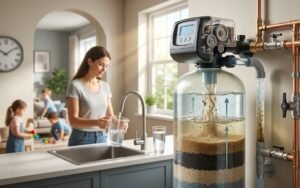
Point-of-entry (POE) systems are set up at your home’s main water line. They filter all the water coming into your house. This means all water for drinking, cooking, and bathing is clean.
Key benefits of POE systems include:
- Complete protection for all household water uses
- Removal of sediments, chlorine, and other contaminants from all water sources
- Potential to extend the lifespan of household appliances by reducing scale buildup
Point-of-Use Systems
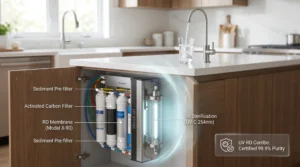
Point-of-use (POU) systems are placed at certain spots in your home. They are usually under the kitchen sink or near a drinking water faucet. These systems filter water for drinking, cooking, or other specific uses.
Advantages of POU systems include:
- Targeted filtration for specific water uses
- Potential for higher filtration precision for drinking water
- Flexibility to install multiple units for different locations
Inline Filtration Systems for Refrigerators and Appliances
Inline filtration systems are made for specific appliances like refrigerators, ice makers, and coffee machines. They are installed inside the appliance or connected to its water supply line.
Benefits of inline filtration systems include:
- Improved taste and quality of water used in appliances
- Protection of appliances from scale buildup and contaminants
- Easy installation and replacement
When picking a dual-stage filtration system, think about what you need. Consider the level of filtration, the amount of water, and how easy it is to install.

Selecting the Right Sediment Filter for Your Needs
Finding the right sediment filter is key to clean water. A sediment filter stops particles in your water, keeping you and your plumbing safe.
Micron Ratings Explained
Micron ratings show how well a sediment filter works. A 1-micron filter catches particles as small as 1 micron. A 5-micron filter lets smaller particles through.
Common micron ratings are 0.5, 1, 5, and 10 microns. The right micron rating depends on your water needs and how dirty it is.
Material Options: Polypropylene vs. Pleated vs. String-Wound
Different materials make sediment filters. Polypropylene filters are tough and chemical-resistant. Pleated filters have more surface area for better filtration. String-wound filters trap a lot of dirt with their large surface area.
“The choice of filter material can significantly impact the performance and lifespan of your sediment filter.”
Sediment Filter Capacity and Lifespan
A sediment filter’s capacity is how much dirt it can hold. Its lifespan depends on water quality, usage, and design. Regular checks and timely replacements keep your filter working well.
- Check filter condition regularly
- Replace filters according to manufacturer’s schedule
- Consider pre-filter options to extend main filter life
Matching Sediment Filters to Your Local Water Quality
Knowing your local water quality is crucial for choosing a sediment filter. Look at turbidity, sediment levels, and contaminants. Areas with lots of sediment need filters that can hold more dirt or pre-filters.
By thinking about these factors and the types of sediment filters, you can pick the best one. This ensures your water is clean and safe for your home.
Choosing the Optimal Carbon Filter Component
To get the most out of a dual-stage filtration system, picking the right carbon filter is key. This filter is vital for removing chemicals, improving taste, and getting rid of odors in city water.
Activated Carbon vs. Carbon Block Filters
There are two main types of carbon filters: activated carbon and carbon block filters. Activated carbon filters use granules to grab onto contaminants. Carbon block filters use a solid block that forces water through the dense carbon.
Activated carbon filters are good at removing chlorine, taste, and smell. But, they might not catch smaller contaminants as well as carbon block filters. Carbon block filters, though, are more efficient and can catch particles as small as 0.5 microns.
Catalytic Carbon for Chloramine Removal
In places where chloramine is used, catalytic carbon is the best choice. This special carbon is made to remove chloramines better than regular activated carbon.
- Catalytic carbon can hold more chloramine
- It’s better at removing hydrogen sulfide
- Catalytic carbon comes in both granular and block forms
Carbon Filter Capacity and Replacement Schedules
The capacity of a carbon filter depends on how well it can adsorb contaminants before it gets full. It’s important to replace it regularly to keep it working well.
- Follow the manufacturer’s replacement guide
- Watch the water quality and taste
- Change filters more often in areas with lots of contaminants
Specialized Carbon Media for Specific Contaminants
Some carbon filters have special media for certain contaminants. For example, some activated carbon has silver to fight bacteria.
When picking a carbon filter, think about the contaminants in your water. Choose a filter made to handle those contaminants.
Installation and Maintenance Best Practices
To keep your dual-stage filtration system working well, follow the best practices for installation and upkeep. A well-set-up and cared-for system gives you clean, safe water. It also makes the filters and system last longer.
DIY Installation Guidelines
Setting up a dual-stage filtration system is easy if you follow the maker’s directions closely. Here are some important steps to remember:
- Turn off the main water supply before starting the installation.
- Use the right tools and fittings for leak-free connections.
- Follow the maker’s guidelines for the correct placement of the filters.
Tip: Always check for leaks after installing the system and before using it.
When to Call a Professional
While many installations can be done DIY, there are times when you should call a pro:
- If you’re unsure about any part of the installation process.
- If your plumbing system is complex or you’re not familiar with it.
- If you encounter any issues during the installation.
A professional can make sure the system is installed correctly and safely.
Maintenance Schedule and Filter Replacement
Regular upkeep is key for your dual-stage filtration system’s long life and effectiveness. Here are some maintenance tips:
- Check and replace the sediment filter every 3-6 months, depending on usage.
- Replace the carbon filter every 6-12 months, or as recommended by the manufacturer.
- Sanitize the system periodically to prevent bacterial growth.
Troubleshooting Common Issues
Even with proper installation and upkeep, problems can still happen. Here are some common problems and their solutions:
- Low Water Pressure: Check for clogs in the filters or pipes.
- Leaks: Inspect connections and fittings for signs of leakage.
- Poor Water Quality: Check the filter’s condition and replace if necessary.
Regular monitoring and timely maintenance can prevent most issues.
Environmental and Economic Impact of Dual-Stage Filtration
Dual-stage filtration systems are great for homeowners. They help reduce environmental impact and save money on water. This makes them a smart choice for many families.
Reducing Plastic Waste from Bottled Water
Dual-stage filtration cuts down on plastic waste from bottled water. Home systems mean less need for bottled water. This leads to less plastic in landfills and oceans.
The National Geographic says 8 million tons of plastic waste go into oceans each year. Using a dual-stage system helps fight this problem. It also lowers the carbon footprint from making and moving bottled water.
Energy Efficiency Considerations
Dual-stage systems are energy smart. They often use little to no electricity. This helps homes use less energy overall.
They also make appliances last longer. This means less energy needed to run them. It’s a win-win for energy savings.
Initial System Costs vs. Long-Term Savings
Getting a dual-stage system costs upfront. But, the long-term savings are big. It saves money on bottled water and appliance repairs.
Some places even offer rebates for these systems. This can lower the initial cost. A Water Quality Association study shows up to $1,000 saved a year. This can pay off the system’s cost quickly.
Popular Brands and Models in the US Market
Many trusted brands sell dual-stage systems in the US. Aquasana, Culligan, and ZeroWater are well-known. When choosing, look at filter costs, upkeep, and third-party certifications.
Conclusion: Making the Right Choice for Your Home’s Water Filtration Needs
Choosing the right dual-stage filtration sediment carbon city water system is key. It ensures clean and safe drinking water at home. These systems combine sediment and carbon filtration to remove harmful particles and chemicals.
Dual-stage filtration improves water taste and smell. It also reduces harmful contaminants and makes appliances last longer. Knowing your local water quality and picking the right system saves money and helps the environment.
When choosing, look at micron ratings, filter capacity, and maintenance needs. The US market has many options, from point-of-entry to point-of-use systems. A dual-stage filtration system keeps your water clean, making your home healthier and more enjoyable.