Rainwater Harvesting Filtration: Make Roof Water Drinkable
Rainwater filtration for drinking involves more than installing a filter: roof materials, gutters, storage, first-flush diversion, testing and disinfection all affect safety. Filtration may reduce selected particles or contaminants, but no single setup treats every hazard. Test collected water and follow local public-health guidance before using roof-collected rainwater for drinking or food preparation.
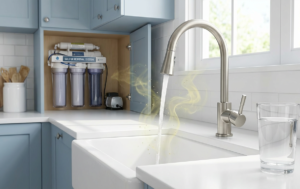
But, using roof water without treatment can be risky. To fix this, we need filtration and purification systems that work well. These systems might include first-flush diverters, UV sterilization, and carbon filters. They help get rid of harmful stuff.

With these steps, we can make sure our rainwater is safe to drink. This meets the EPA guidelines for clean drinking water.
Key Takeaways
- Effective rainwater purification systems are crucial for safe consumption.
- First-flush diverters, UV sterilization, and carbon filters are essential components.
- EPA guidelines provide a framework for ensuring safe drinking water.
- Proper filtration can remove contaminants and pathogens.
- Rainwater harvesting can reduce water bills and promote sustainability.
Understanding Rainwater Harvesting for Drinking Water
Rainwater harvesting is key to solving water scarcity. It collects and stores rainwater for drinking, irrigation, and cleaning. This method is crucial for a sustainable water supply.
The Growing Importance of Rainwater Collection
Rainwater harvesting is becoming more important. Water demands are rising, and groundwater is dwindling. Climate change also plays a role. By using rainwater systems, we can reduce our need for municipal water.
In areas with little clean water, rainwater collection is a lifesaver. It provides water for drinking, cooking, and staying clean. It also helps during droughts and floods by storing rainwater for later use.
Challenges of Using Roof Water for Drinking
Using roof water for drinking has its challenges. One big issue is contamination. Rainwater can pick up pollutants like debris and chemicals from roofs.
These pollutants can make the water unsafe to drink. So, it’s vital to use effective filters and purifiers to make the water safe.
Common Contaminants in Harvested Rainwater
Harvested rainwater can have many contaminants. These include:
- Bacteria and viruses from bird droppings and other animal waste
- Leaves, twigs, and other organic debris
- Chemicals and heavy metals from roofing materials and atmospheric pollution
- Sediments and particulate matter from rooftops and gutters
These contaminants show why we need good filtration and treatment. The table below lists common contaminants and their sources:
| Contaminant | Potential Source |
|---|---|
| Bacteria, Viruses | Bird droppings, animal waste |
| Leaves, Twigs | Rooftops, gutters, surrounding vegetation |
| Chemicals, Heavy Metals | Roofing materials, atmospheric pollution |
| Sediments | Rooftops, gutters, storage tanks |
To make roof water safe to drink, we need a good filtration system. In the next sections, we’ll look at the parts and methods needed for a reliable drinking water supply from rainwater.
Safety and Regulatory Considerations
To make roof water drinkable, knowing the rules is key. The safety of our water is top priority. Many guidelines and laws are in place to keep it clean.
EPA Guidelines for Safe Drinking Water
The Environmental Protection Agency (EPA) has strict rules for drinking water. This includes rainwater harvesting systems. They focus on protecting the source, treating the water, and making sure it’s distributed safely.
Pathogen and Contaminant Thresholds
The EPA has limits for harmful substances in drinking water. For rainwater systems, following these limits is vital. This includes bacteria, viruses, and heavy metals.
| Contaminant | EPA Threshold (mg/L) |
|---|---|
| Lead | 0.015 |
| Copper | 1.3 |
| E. coli | 0 |
State and Local Regulations in the US
While the EPA sets federal guidelines, state and local rules can differ a lot. Some places have their own laws about collecting, treating, and using rainwater.
Water Quality Testing Requirements
Testing rainwater regularly is crucial. It must meet EPA and local standards. Tests should check pH, turbidity, bacteria, viruses, and chemicals.

Following these rules is essential for safe rainwater use. It’s also important to keep up with any rule changes.
Essential Components of a Rainwater Harvesting Filtration Make Drinkable System
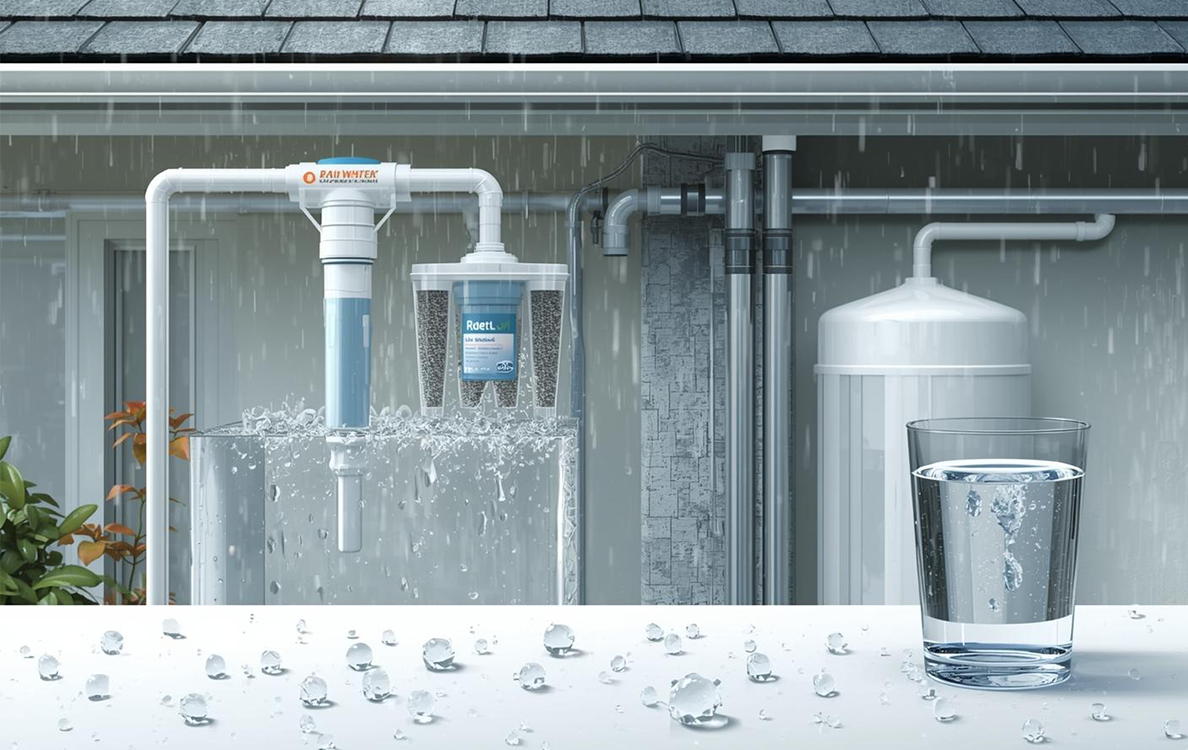
To make roof-collected rainwater safe to drink, a detailed filtration system is needed. This system includes several key parts. They work together to make the water clean and safe for drinking.
Collection Surfaces and Materials
The first step is choosing the right surface to collect rainwater. Usually, this is a roof. The roof’s material greatly affects the water’s quality.
Common roof materials include:
- Asphalt shingles
- Metal
- Clay or concrete tiles
- Wood shingles or shakes
Each material has its own advantages and disadvantages. For example, metal roofs are strong and can be recycled. But, they can be noisy during rain. Asphalt shingles are affordable but might leach chemicals into the water.
Storage Tank Requirements
After collecting rainwater, it must be stored correctly. The storage tank is a key part of any rainwater system.
Key considerations for storage tanks include:
- Material (e.g., stainless steel, food-grade plastic)
- Size (dependent on roof size and rainfall amount)
- Shape and design (to minimize debris accumulation)
- Screening or mesh to keep out contaminants
Filtration and Purification Components Overview
The filtration and purification parts are crucial in a rainwater system. They remove harmful substances and bacteria from the water.

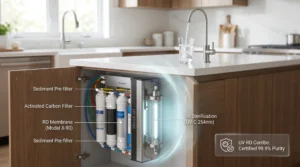
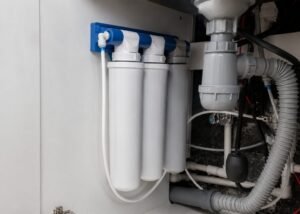
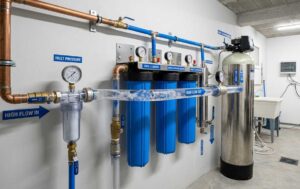
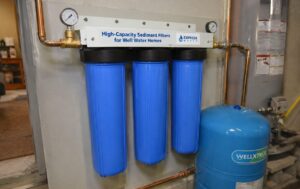
A common system includes sediment filters, activated carbon filters, and UV sterilization. The type of filters needed depends on the water’s contaminants and desired purity.
System Integration Considerations
Integrating all parts of a rainwater system requires careful planning. It’s important to ensure compatibility and proper sizing of the collection surface, storage tank, and filtration components.
| Component | Function | Considerations |
|---|---|---|
| Collection Surface | Captures rainwater | Material, size, condition |
| Storage Tank | Stores collected rainwater | Material, size, design |
| Filtration/Purification | Removes contaminants and pathogens | Type of filters, maintenance needs |
By understanding and choosing each component wisely, people can build an effective rainwater filtration system. This system provides clean, drinkable water.
Pre-Filtration Methods for Rainwater Harvesting
Pre-filtration methods are key in keeping rainwater clean for harvesting. They help remove contaminants, making the water safe for different uses. Homeowners can improve their rainwater quality by using effective pre-filtration techniques.
Gutter Guards and Screens
Gutter guards and screens are crucial for rainwater systems. They stop big debris like leaves and twigs from getting into gutters and tanks. These guards are made from materials like mesh, foam, and solid covers, each offering different protection levels.
Benefits of Gutter Guards:
- Less debris in gutters and downspouts
- Less maintenance needed for the system
- Better water quality by blocking roof debris
First-Flush Diverter Installation Guide
A first-flush diverter diverts the first water flow, taking debris with it. Then, it lets clean water into the tank. Installing one is easy:
- Find a good spot for the diverter near the downspout.
- Cut the downspout for the diverter.
- Attach the diverter securely to the downspout.
- Make sure the diverted water doesn’t harm the house foundation.

Leaf and Debris Filters
Leaf and debris filters catch small debris that gutter guards miss. They can be placed in downspouts or at the tank inlet.
Comparison of Pre-Filtration Methods:
| Method | Effectiveness | Maintenance | Cost |
|---|---|---|---|
| Gutter Guards | High | Low | Moderate |
| First-Flush Diverters | High | Moderate | Low to Moderate |
| Leaf and Debris Filters | Moderate to High | Moderate | Moderate |
Using these pre-filtration methods together can greatly improve rainwater quality. This makes the water better for drinking and other household uses.
Primary Filtration Techniques
Primary filtration is key in rainwater harvesting. It removes contaminants and particles. This step is vital to make the rainwater safe for drinking and other uses.
The main methods are sediment filtration systems and carbon filtration. Together, they remove many contaminants, including particles, chemicals, and odors.
Sediment Filtration Systems
Sediment filters catch particles and sediment from rainwater. They use filters with different sizes to trap various particles.
The success of sediment filtration depends on the filter type and upkeep. It’s important to clean and replace filters regularly for best results.
Carbon Filtration Implementation
Carbon filtration is also crucial in primary filtration. Activated carbon filters remove chemicals, heavy metals, and other impurities. This improves the water’s taste, odor, and safety.
Choosing the right activated carbon and ensuring enough contact time is important. This method is great at removing chlorine, VOCs, and other chemicals.
Combining sediment and carbon filtration makes rainwater harvesting systems produce safe, high-quality water. This water is good for drinking and other household uses.
Advanced Purification Methods
To make rainwater safe for drinking, we need advanced purification techniques. These methods are key to removing harmful contaminants and pathogens left after initial filtration.
UV Sterilization Systems
UV sterilization is a top choice for killing bacteria, viruses, and other harmful microorganisms in rainwater. UV systems work by exposing the water to ultraviolet light, which damages the DNA of pathogens, making them harmless. This method is chemical-free and doesn’t change the water’s taste or smell.
The success of UV sterilization depends on the UV light’s intensity and how long the water is exposed. Keeping UV systems well-maintained is crucial for their effectiveness.
Reverse Osmosis Systems for Rainwater
Reverse osmosis (RO) uses a semi-permeable membrane to filter out ions, molecules, and larger particles from rainwater. RO systems are highly effective in removing a wide range of contaminants, including dissolved solids, bacteria, and viruses.
Even though RO systems can make water very pure, they also remove good minerals. Regular maintenance is needed to prevent membrane fouling and ensure the system works well.
Chemical Treatment Options
Chemical treatment uses disinfectants like chlorine or ozone to kill pathogens in rainwater. Chemical treatment can be effective against a broad spectrum of microorganisms, but it’s important to use the right amount to avoid harm.
The choice of chemical treatment depends on several factors, including the type and level of contamination, and local rules about disinfection by-products.
In conclusion, advanced purification methods like UV sterilization, reverse osmosis, and chemical treatment are vital for making rainwater safe for drinking. Each method has its benefits and considerations. The right choice depends on specific needs and situations.
Building a Complete DIY Rainwater Filtration System
Creating a rainwater filtration system at home needs careful planning and the right parts. You must think about the quality of the rainwater, the contaminants it may have, and how clean you want it to be.
System Design and Planning
The first step is to design and plan your system. You need to check your roof’s catchment area, the average rainfall, and how much water you’ll need. It’s also important to know what contaminants might be in the rainwater, like debris, sediment, bacteria, and other harmful stuff.
A good system should have pre-filtration, primary filtration, and advanced purification stages. Pre-filtration gets rid of big debris and sediment. Primary filtration targets smaller particles and contaminants. Advanced purification methods, like UV sterilization or reverse osmosis, add extra protection against harmful substances.
| Component | Description | Function |
|---|---|---|
| Gutter Guards | Mesh or screen covering gutters | Prevents debris entry |
| First-Flush Diverter | Device that diverts initial water flow | Removes contaminants from first flow |
| Sediment Filter | Filter that removes particulate matter | Removes sediment and particles |
Materials and Tools List
To build a DIY rainwater filtration system, you’ll need:
- Gutter guards or screens
- First-flush diverter
- Sediment filter
- Carbon filter
- UV sterilizer or other advanced purification unit
- Pipes and fittings
- Storage tank
You’ll also need tools like pipe cutters, a drill, and basic plumbing tools.
Step-by-Step Assembly Instructions
Assembling your DIY rainwater filtration system involves several steps:
- Install gutter guards to prevent debris from entering the gutters.
- Set up a first-flush diverter to divert the initial flow of water, which may contain contaminants.
- Connect the sediment filter to remove particulate matter.
- Install a carbon filter to remove chemicals and improve taste.
- Integrate an advanced purification method, such as UV sterilization, for final treatment.
By following these steps and using the right materials, you can create an effective DIY rainwater filtration system. It will provide safe and clean drinking water.
Cost Considerations and Long-Term Benefits
Rainwater harvesting filtration systems are a green choice, but their cost depends on several factors. It’s important to understand these factors for those thinking about installing such systems.
Initial Investment Breakdown
The cost of a rainwater harvesting system varies. It depends on the system’s size, materials, and filtration complexity. Costs include collection surfaces, storage tanks, and filtration systems.
| Component | Cost Range |
|---|---|
| Collection Surfaces | $500 – $2,000 |
| Storage Tanks | $1,000 – $5,000 |
| Filtration Systems | $800 – $3,000 |
| Total Cost | $2,300 – $10,000 |
Operational and Maintenance Costs
There are ongoing costs after the initial setup. These include filter replacements, tank maintenance, and energy use. Regular upkeep is key to keeping the system running well.
Return on Investment Analysis
The ROI for a rainwater harvesting system can be high, mainly in areas with high water rates. It helps lower water bills by reducing municipal water use. The ROI depends on local water rates, system size, and rainfall.
Environmental and Sustainability Benefits
Rainwater harvesting systems also have environmental perks. They ease the load on municipal water treatment and cut down on stormwater runoff. This saves water, reduces flooding risks, and improves water quality.
In summary, while the upfront cost of a rainwater harvesting system is high, its long-term financial and environmental gains are significant. It’s a smart choice for those aiming to reduce their water use and boost sustainability.
Conclusion
Setting up a rainwater harvesting filtration system is key to making roof water safe to drink. It’s important to remove harmful contaminants and pathogens. This ensures the water is clean and ready for drinking.
A good rainwater harvesting system includes several steps. These are pre-filtration, primary filtration, and advanced purification. This combination makes sure the water is safe and reliable for drinking.
By choosing a rainwater harvesting system, homes can use less municipal water. This not only saves money on water bills but also helps the environment. With the right system, having clean drinking water from rain is possible. It’s a healthier and greener choice.