Shower Head Filters: Do They Really Remove Chlorine?
Shower head filters are marketed for chlorine and other shower-water concerns, but performance varies with filter media, contact time, temperature and flow rate. Check independent data for the exact model and the specific chemical it claims to reduce. Do not assume a shower filter removes every contaminant or guarantees health benefits, and change cartridges as directed.

Using a shower head water filter can help to remove chlorine and other impurities from the water, leaving you with a cleaner and healthier shower experience. But do these filters really work? In this article, we’ll explore the effectiveness of shower head filters in removing chlorine.
Key Takeaways
- Shower head filters can improve shower water quality.
- They can help remove chlorine and other impurities.
- A cleaner shower experience can benefit skin and hair health.
- Not all shower head filters are created equal.
- Choosing the right filter is crucial for effectiveness.
What is a Shower Head Water Filter?
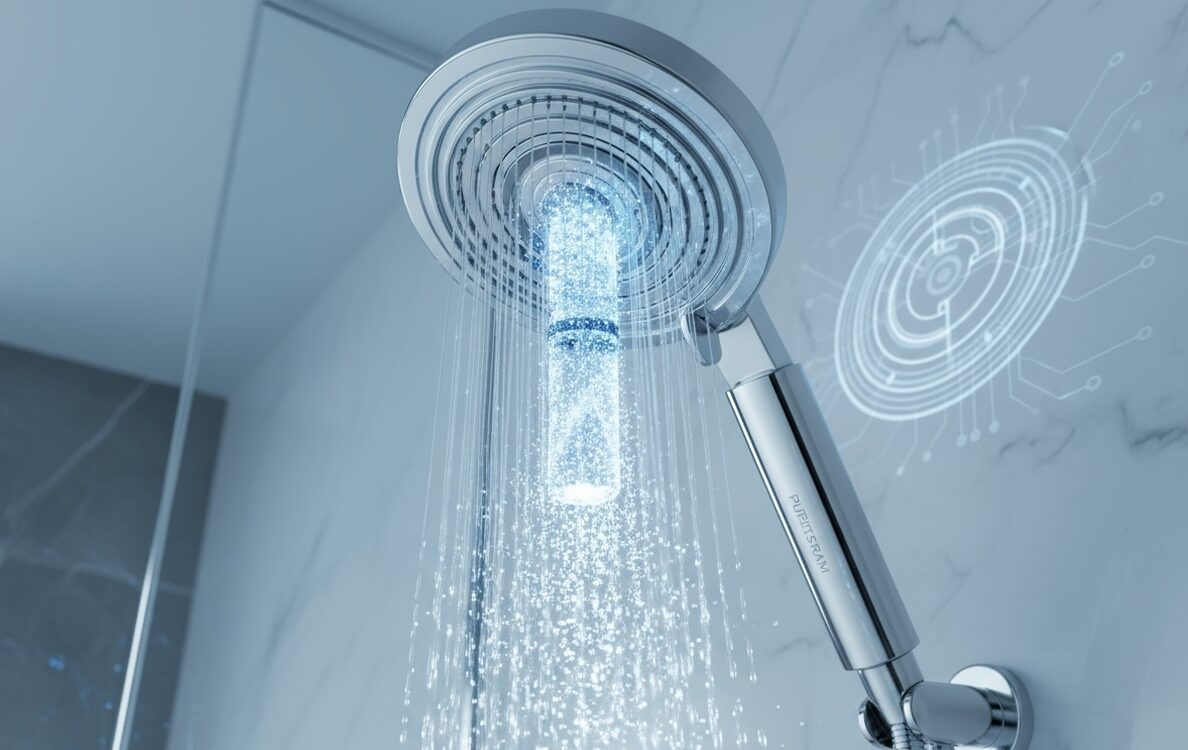
Shower head water filters have gained popularity for their ability to improve water quality, but what exactly are they? Essentially, a shower head water filter is a device designed to be attached to your shower head to filter the water as it flows through.
A shower head water filter serves the primary purpose of removing contaminants and impurities from the water, such as chlorine, lead, and other harmful substances that can affect skin and hair health.
Definition and Purpose
The definition of a shower head water filter is closely tied to its purpose: to provide cleaner, healthier water for showering. By removing chlorine and other contaminants, these filters help in maintaining the natural moisture of the skin and hair.
Key benefits include reducing the drying effects of chlorine, minimizing skin irritation, and preserving the color and health of hair.
Types of Shower Head Filters
There are various types of shower head filters available, catering to different needs and preferences. Some are designed specifically for hard water, while others focus on removing chlorine or a broad spectrum of contaminants.
- Activated Carbon Filters: Effective against chlorine and improving taste and odor.
- Vitamin C Filters: Known for neutralizing chlorine and improving skin and hair health.
- Multi-stage Filters: Offer comprehensive filtration, removing a wide range of contaminants.
Benefits of Using a Filter
Using a shower head water filter, especially for those with hard water, can significantly enhance the showering experience. Benefits include softer skin, healthier hair, and a reduction in the scaling caused by hard water.
| Filter Type | Primary Benefits | Suitable For |
|---|---|---|
| Activated Carbon | Removes chlorine, improves taste and odor | Chlorinated water |
| Vitamin C | Neutralizes chlorine, improves skin and hair health | Chlorinated water, sensitive skin |
| Multi-stage | Comprehensive filtration, removes various contaminants | Hard water, multiple contaminants |
For individuals dealing with hard water, a hard water shower filter can be particularly beneficial, reducing the mineral buildup that causes scaling and dryness.
When selecting a shower head filter, consider factors such as filter type, maintenance requirements, and compatibility with your shower head.
How Do Shower Head Water Filters Work?
The effectiveness of shower head water filters lies in their filtration process. These filters are designed to remove impurities from the water, improving its quality and making it gentler on the skin and hair.
Filtration Process Explained
Shower head water filters typically work by using a combination of filtration media to remove contaminants from the water. As water flows through the filter, it passes through different layers of media, each designed to capture specific types of impurities.
The filtration process usually involves a multi-stage approach. The first stage might involve a sediment filter that removes larger particles such as dirt and debris. Subsequent stages may include activated carbon or other media that target chlorine, heavy metals, and other harmful substances.
Common Filtration Media Used
Different types of filtration media are used in shower head water filters, each with its own strengths. Some of the most common media include:
- Activated Carbon: Effective at removing chlorine, improving taste, and reducing odors.
- KDF (Kinetic Degradation Fluxion): Helps remove heavy metals like lead and mercury.
- Vitamin C: Some filters use vitamin C to neutralize chlorine and chloramines.
Effectiveness Against Chlorine
One of the primary concerns for many users is the removal of chlorine from shower water. Chlorine can dry out skin and hair, leading to irritation and damage. Shower head water filters that use activated carbon or vitamin C are particularly effective at removing chlorine.
By understanding how shower head water filters work, users can make informed decisions about their showering habits and choose the right filter for their needs. Whether you’re looking to improve your skin and hair health or simply want a better shower experience, a high-quality shower filter can make a significant difference.
Why Remove Chlorine from Your Shower?
The presence of chlorine in shower water is not just a minor issue; it has substantial health and cosmetic consequences. Chlorine, commonly used as a disinfectant in municipal water supplies, can have far-reaching effects on our skin, hair, and overall health.
Health Implications of Chlorine Exposure
Exposure to chlorine through showering can lead to various health concerns. Chlorine can strip the skin of its natural oils, leading to dryness and irritation. For individuals with sensitive skin, this can exacerbate conditions like eczema or dermatitis.
Key health implications include:
- Dry, irritated skin
- Respiratory issues due to chlorine vapor inhalation
- Potential long-term effects on the immune system
“Chlorine exposure through shower water can have significant health implications, particularly for those with pre-existing skin conditions or respiratory issues.”
Benefits for Skin and Hair
Removing chlorine from shower water can have numerous benefits for both skin and hair. By using a shower filter, individuals can enjoy softer, healthier-looking skin and hair.
| Benefit | Description |
|---|---|
| Softer Skin | Reduced chlorine exposure helps maintain the skin’s natural moisture barrier. |
| Healthier Hair | Less chlorine means less damage to hair, resulting in shinier, more manageable locks. |
Enhancing Shower Experience
Beyond the health and cosmetic benefits, removing chlorine from shower water can also enhance the overall shower experience. Warm, chlorinated water can be harsh on the senses, whereas filtered water provides a more relaxing and rejuvenating experience.
By investing in a shower filter, individuals can transform their daily shower routine into a more enjoyable and therapeutic experience. This not only improves personal wellbeing but also contributes to a more positive start to the day.
Understanding Hard Water Issues
Understanding the problems associated with hard water is crucial for homeowners, especially those relying on well water. Hard water contains high levels of minerals such as calcium and magnesium, which can have various adverse effects on household plumbing, appliances, and personal health.
What is Hard Water?
Hard water is defined by its high concentration of dissolved minerals, primarily calcium and magnesium. These minerals are absorbed as water passes through rocks and soil, enriching it with these substances. While not harmful to health, hard water can cause scaling in pipes and appliances, reducing their efficiency and lifespan.

Effects of Hard Water on Skin and Hair
The minerals present in hard water can have detrimental effects on skin and hair. For skin, hard water can strip away natural oils, leading to dryness and irritation. Hair can become dull, brittle, and prone to tangling due to the mineral buildup. Using a shower head filter can mitigate these issues by reducing the mineral content in the water.
As noted by water quality experts, “The use of hard water can lead to significant skin and hair problems, making the installation of a water filter a practical solution for many households.”
“Hard water’s impact on skin and hair should not be underestimated. Filtering your shower water can make a significant difference in your overall skin and hair health.”
How Hard Water Differs from Chlorinated Water
While both hard water and chlorinated water pose challenges, they are distinct issues. Hard water is characterized by its mineral content, whereas chlorinated water contains added chlorine for disinfection purposes. Chlorine can evaporate or be filtered out, whereas the minerals in hard water require specific filtration methods to remove.
| Characteristics | Hard Water | Chlorinated Water |
|---|---|---|
| Mineral Content | High in calcium and magnesium | Contains chlorine for disinfection |
| Effects on Skin/Hair | Dryness, irritation, dull hair | Dryness, itchiness, damage to hair |
| Filtration Needs | Requires filters that remove minerals | Can be addressed with activated carbon filters |
For homeowners, especially those using well water, understanding these differences is key to selecting the right shower head filter. A filter designed to address hard water issues can significantly improve water quality, enhancing both skin and hair health.
The Role of Hard Water Shower Filters
If you’re struggling with the effects of hard water, consider investing in a shower water purifier. Hard water contains high levels of minerals such as calcium and magnesium, which can have detrimental effects on your skin and hair.
How Hard Water Filters Function
Hard water filters are designed to remove the minerals that cause water to be “hard.” These filters typically use a combination of technologies such as ion exchange, activated carbon, and reverse osmosis to soften the water and remove impurities.
The process begins with the water entering the filter, where the minerals are either removed or transformed, resulting in softer water that is gentler on the skin and hair.
Benefits of Filtering Hard Water
Filtering hard water can have numerous benefits, including:
- Reduced scaling on skin and hair
- Improved skin health due to reduced mineral deposits
- Enhanced hair manageability and shine
- Prolonged lifespan of plumbing and appliances due to reduced mineral buildup
Different Types of Hard Water Filters
There are several types of hard water filters available, each with its unique features and benefits. Some of the most common types include:
- Ion Exchange Filters: These filters work by exchanging sodium or potassium ions for calcium and magnesium ions, effectively softening the water.
- Activated Carbon Filters: While not primarily designed for softening, activated carbon filters can remove chlorine and other impurities, improving water quality.
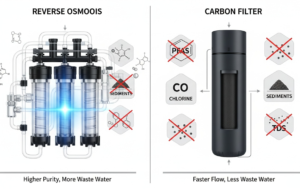
- Reverse Osmosis Filters: These filters use a semi-permeable membrane to remove a wide range of impurities, including minerals that cause hard water.
By understanding the different types of hard water filters and their functions, you can make an informed decision about which shower water purifier is right for you.
Popular Brands of Shower Head Water Filters
The market for shower head water filters is filled with numerous brands, but some leading brands are known for their superior performance. When searching for the best shower filter for hard water, it’s crucial to consider brands that specialize in addressing hard water issues.
Overview of Leading Brands
Several brands have made a name for themselves in the shower head water filter market. Brands like Aquasana, Culligan, and FilterPure are recognized for their high-quality products. Aquasana, for instance, is known for its Vitamin C-infused filters that not only remove chlorine but also provide skin and hair benefits.
Culligan, a well-established brand in the water filtration industry, offers a range of shower head filters designed to tackle various water quality issues, including hard water. Their filters often feature a combination of activated carbon and other media to effectively remove contaminants.
Comparison of Features and Pricing
When comparing shower head water filters, features and pricing are key considerations. Here’s a brief comparison:
- Aquasana: Known for Vitamin C-infused filters, priced around $50-$70.
- Culligan: Offers a range of filters with various features, priced between $30-$100.
- FilterPure: Provides affordable options with effective chlorine removal, priced around $20-$50.
As one satisfied customer noted, “Switching to a shower head filter has made a significant difference in my skin and hair health. I no longer feel dry and irritated after showering.”
“I’ve noticed a huge improvement in my skin’s hydration and overall health since using a shower filter.” – Emily R.
Customer Reviews and Ratings
Customer reviews provide valuable insights into the performance and durability of shower head water filters. According to customer ratings, Aquasana and Culligan are among the top-rated brands, with many users praising their effectiveness in improving water quality and overall shower experience.
| Brand | Average Rating | Number of Reviews |
|---|---|---|
| Aquasana | 4.5/5 | 1,200+ |
| Culligan | 4.3/5 | 500+ |
| FilterPure | 4.2/5 | 300+ |
How to Choose the Right Shower Head Water Filter
With numerous shower head water filters available in the market, choosing the right one requires careful consideration of several factors. The process involves understanding your specific needs, the type of contaminants you want to remove, and the characteristics of your water supply.
Factors to Consider
When selecting a shower head water filter, several factors come into play. Water Quality is a primary concern. If you live in an area with hard water or high chlorine levels, you’ll want a filter that addresses these issues.
- Type of Contaminants: Identify the contaminants you want to remove, such as chlorine, lead, or bacteria.
- Filter Type: Decide between activated carbon, vitamin C, or other filtration media based on your needs.
- Flow Rate: Ensure the filter doesn’t significantly reduce water pressure.
Filter Lifespan and Maintenance
Understanding the lifespan of your shower head water filter and its maintenance requirements is crucial for optimal performance. Filter Lifespan varies by model and usage, typically ranging from 3 to 12 months.
| Filter Type | Average Lifespan | Maintenance Needs |
|---|---|---|
| Activated Carbon | 6-9 months | Replace cartridge |
| Vitamin C | 3-6 months | Replace cartridge, occasional cleaning |
Budget Considerations
Budget is a significant factor when choosing a shower head water filter. Prices vary widely based on the filter type, brand, and features. Cost-Effectiveness should be evaluated based on the filter’s lifespan and maintenance costs.
- Initial Cost: Compare the upfront costs of different models.
- Maintenance Cost: Consider the cost of replacement cartridges or parts.
- Long-Term Savings: Factor in potential savings from extended shower head lifespan and reduced plumbing maintenance.
By carefully considering these factors, you can select a shower head water filter that not only improves your shower experience but also provides long-term value.
Installation Process for Shower Head Filters
Enhancing your shower experience with a filter is easier than you think, and it starts with a simple installation process. Installing a shower head filter is a straightforward DIY task that requires minimal tools and technical knowledge.
Tools Required for Installation
Before you begin, ensure you have the necessary tools. Typically, you’ll need an adjustable wrench or a pair of pliers to remove your existing shower head. Some filters may also require Teflon tape for a secure and leak-free connection.
- Adjustable wrench or pliers
- Teflon tape (for some models)
Step-by-Step Installation Guide
Follow these steps to install your shower head filter:
- Turn off the water supply to your shower.
- Remove your existing shower head using an adjustable wrench or pliers.
- Wrap Teflon tape around the threads of the shower arm if required by your filter model.
- Screw the new shower head filter onto the shower arm.
- Tighten the filter securely, but avoid over-tightening.
- Turn on the water supply and check for leaks.

Common Mistakes to Avoid
To ensure a smooth installation process, be aware of common pitfalls. Avoid over-tightening the filter, as this can damage the threads or the filter itself. Also, make sure to check for compatibility between your shower head filter and your existing shower setup to prevent any issues.
By following these guidelines, you can successfully install your shower head filter and start enjoying a chlorine-free shower experience, effectively helping to remove chlorine from shower water.
Frequently Asked Questions about Shower Head Filters
As people look to improve their shower experience, they often wonder about the capabilities and upkeep of shower head filters. Here, we address some of the most common questions to help you make an informed decision.
Do Shower Filters Remove Other Contaminants?
Shower head filters are designed to remove chlorine and other contaminants from your shower water. While their primary function is to eliminate chlorine, many filters also target other impurities such as heavy metals, sediment, and bacteria. When choosing a shower filter, consider the types of contaminants you want to remove and select a filter that is designed to handle those specific impurities.
Key contaminants that shower filters can remove include:
- Chlorine
- Heavy metals (like lead and mercury)
- Sediment and particulate matter
- Bacteria and viruses
How Often Should Filters Be Changed?
The frequency of replacing your shower head filter depends on several factors, including the type of filter, water quality, and usage. Generally, most filters need to be replaced every 6 to 12 months. However, it’s essential to check the manufacturer’s recommendations for your specific filter model.
| Filter Type | Replacement Interval |
|---|---|
| Basic Chlorine Filter | 6 months |
| Advanced Multi-Stage Filter | 9-12 months |
Are Shower Filters Easy to Maintain?
Maintaining your shower head filter is relatively straightforward. Regularly cleaning the filter and checking for mineral buildup can help ensure optimal performance. Some filters are designed with easy maintenance in mind, featuring removable and washable components.
Tips for maintaining your shower filter:
- Regularly inspect and clean the filter
- Check for mineral deposits and descale as necessary
- Replace the filter according to the manufacturer’s schedule
Consumer Insights: Effectiveness and Satisfaction
The effectiveness of shower head filters is best understood through the lens of consumer satisfaction and experience. Consumers are increasingly turning to shower head filters to improve their shower experience, particularly for the benefits to their hair and skin.
Survey Results on User Experience
Recent surveys have provided valuable insights into how consumers perceive shower head filters. A significant majority of users report a noticeable improvement in their skin and hair health after switching to a filtered shower head.
Key Findings from User Surveys:
| Aspect | Improvement Reported | User Satisfaction |
|---|---|---|
| Skin Health | 85% | Very Satisfied |
| Hair Health | 80% | Satisfied |
| Overall Shower Experience | 90% | Extremely Satisfied |
Case Studies on Chlorine Removal
Several case studies have highlighted the effectiveness of shower head filters in removing chlorine from water. Chlorine removal is crucial as it directly impacts skin and hair health.
A notable case study involved a group of users with sensitive skin who switched to a chlorine-removing shower head filter. The results showed a significant reduction in skin irritation and an overall improvement in skin health.
Long-term Satisfaction Reports
Long-term users of shower head filters report sustained benefits, including continued improvement in hair and skin health. The durability and maintenance of these filters also play a crucial role in user satisfaction.
Long-term Benefits:
- Continued improvement in skin and hair health
- Reduced maintenance needs over time
- Cost-effective in the long run
By understanding consumer insights and experiences, it becomes clear that shower head filters, particularly those designed for hair and skin benefits, offer significant advantages. The combination of survey results, case studies, and long-term satisfaction reports provides a comprehensive view of their effectiveness.
Environmental Impact of Shower Head Water Filters
With the rising awareness of environmental issues, shower head water filters have emerged as a simple yet effective way to reduce our ecological footprint. As we become more conscious of our daily habits and their impact on the planet, it’s essential to explore how these filters contribute to a more sustainable lifestyle.
Waste Reduction through Filtration
One of the significant environmental benefits of shower head water filters is their ability to reduce waste. By filtering out contaminants and minerals that cause scaling, these filters can extend the life of plumbing systems and appliances, reducing the need for frequent replacements. Moreover, by improving the quality of water, they can help reduce the reliance on bottled water, thereby decreasing plastic waste.
Hard water shower filters play a crucial role in this aspect by removing calcium and magnesium ions that cause water to be hard, thus reducing the wear and tear on household appliances and plumbing.
Comparing Environmental Benefits
When comparing the environmental benefits of different shower head water filters, several factors come into play. The type of filtration media used, the filter’s lifespan, and its recyclability are all crucial considerations. Some filters are designed to be more eco-friendly, using sustainable materials and minimizing waste.
| Filter Type | Filtration Media | Lifespan | Recyclability |
|---|---|---|---|
| Activated Carbon | Activated Carbon | 6-9 months | No |
| KDF Filter | KDF Media | 12 months | Yes |
| Vitamin C Filter | Vitamin C | 3-6 months | No |
Promoting Sustainable Showering Habits
Shower head water filters not only reduce waste but also promote sustainable showering habits. By improving water quality, they encourage users to adopt more environmentally friendly practices, such as taking shorter showers or reducing water temperature. This shift in behavior contributes to a more sustainable lifestyle.
The use of hard water shower filters, in particular, can lead to significant water savings by reducing the amount of water needed for rinsing and cleaning.
By choosing the right shower head water filter and maintaining it properly, individuals can make a positive impact on the environment while also enjoying cleaner, healthier water.
Conclusion: Are Shower Head Filters Worth It?
Investing in a shower head filter can significantly enhance your shower experience, particularly if you’re concerned about chlorine exposure or dealing with hard water. For those using well water, a shower head filter for well water can be a game-changer, removing impurities and contaminants that may be present.
Key Takeaways
Throughout this article, we’ve explored the benefits of shower head filters, including their ability to remove chlorine, reduce skin and hair issues, and improve overall shower quality. A shower water purifier can be an effective solution for achieving cleaner and healthier water.
Final Recommendations
When selecting a shower head filter, consider factors such as filter lifespan, maintenance requirements, and budget. Look for a product that suits your specific needs, whether it’s addressing chlorine removal or tackling hard water issues.
Improving Your Shower Experience
By incorporating a shower head filter into your daily routine, you can enjoy a more refreshing and rejuvenating shower experience. With the right filter, you can say goodbye to dry skin and hair, and hello to a healthier, happier you.