Smart Water Filters with App Monitoring (2026)
Smart water filters may offer connected features such as filter-life notifications, leak alerts or app-based usage monitoring, but these features do not necessarily measure water safety. Compare the contaminants the system is verified to reduce, replacement costs, compatibility and connectivity requirements. Treat app estimates as maintenance aids and use appropriate water testing when water-quality concerns remain.

The integration of advanced water purification technology with smart home water solutions allows users to monitor water quality remotely through their smartphones. This not only enhances the convenience but also ensures that the water consumed is safe and clean.
Key Takeaways
- Smart water filters offer advanced purification and monitoring capabilities.
- WiFi connectivity enables remote monitoring and management.
- These systems enhance the safety and quality of drinking water.
- Users can receive notifications about filter status and water quality.
- Smart home integration provides a seamless user experience.
What is a Smart Water Filter?
With the advent of smart water filters, households can now enjoy a more sophisticated approach to water purification, leveraging WiFi connectivity and app monitoring. These innovative systems are designed to provide clean drinking water while offering advanced features that traditional filters lack.
Definition and Overview
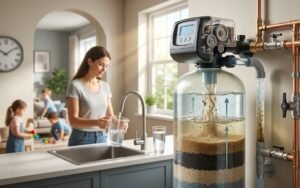
A smart water filter is a connected water filtration system that integrates advanced water purification technology with WiFi connectivity, allowing users to monitor and control their water quality remotely through a dedicated app. This connectivity enables real-time updates on water quality, filter status, and maintenance alerts, ensuring that the water is always safe to drink.
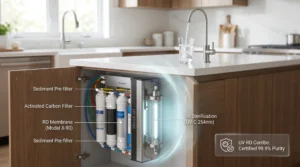
The core of a smart water filter is its ability to purify water using advanced filtration methods, which can include activated carbon, reverse osmosis, or ultraviolet (UV) light. These methods work together to remove contaminants, improve taste, and eliminate odors, providing a comprehensive solution for clean drinking water.
Key Features of Smart Water Filters
Smart water filters are distinguished by several key features that enhance their functionality and user experience. Some of the notable features include:
- WiFi connectivity for remote monitoring and control
- Advanced filtration processes for improved water quality
- Real-time app notifications for filter maintenance and water quality updates
- Leak detection and alert systems to prevent water damage
- Customizable settings to tailor water purification to specific needs
To illustrate the capabilities of smart water filters, consider the following comparison of traditional vs. smart water filters:
| Feature | Traditional Water Filters | Smart Water Filters |
|---|---|---|
| Filtration Method | Basic activated carbon or mechanical filtration | Advanced multi-stage filtration including reverse osmosis and UV |
| Connectivity | No connectivity; manual monitoring required | WiFi enabled; remote monitoring and control via app |
| Maintenance Alerts | No automated alerts; requires manual check | Real-time alerts for filter replacement and maintenance |
As shown in the table, smart water filters offer a more comprehensive and convenient solution compared to traditional filters. By integrating advanced water purification technology with smart features, these systems provide a superior drinking water experience.
Benefits of Using WiFi Water Purifiers
WiFi enabled water filters are revolutionizing the way we access clean drinking water. By connecting to a WiFi network, these purifiers enable users to monitor water quality in real-time, receive notifications, and control the system remotely, thereby enhancing the overall user experience.
Improved Water Quality
One of the primary benefits of WiFi water purifiers is the improvement in water quality. These systems can detect contaminants and alert users to potential issues, ensuring that the water remains safe to drink. Some key features include:
- Real-time monitoring of water quality
- Alerts for contaminant detection
- Automated maintenance notifications
Convenience and Accessibility
WiFi water purifiers offer unparalleled convenience and accessibility. Users can monitor and control their water purification systems remotely through a dedicated app, making it easier to maintain clean drinking water at all times. The benefits include:
- Remote monitoring and control
- Customizable notifications
- Easy maintenance scheduling
Cost Savings on Bottled Water
By having a WiFi water purifier at home, users can significantly reduce their reliance on bottled water, leading to cost savings over time. The advantages include:
- Reduced expenditure on bottled water
- Environmental benefits from reduced plastic waste
- Long-term savings through efficient maintenance
How Smart Water Filters Work
Understanding how smart water filters work involves delving into their advanced filtration mechanisms and the pivotal role played by WiFi connectivity in their operation. Smart water filters are designed to provide clean drinking water through a multi-stage filtration process, ensuring the removal of various contaminants.
Filtration Process Explained
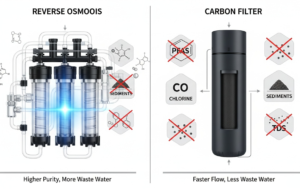
The filtration process in smart water filters typically involves several stages, including activated carbon filtration, reverse osmosis, and UV purification. Each stage is designed to remove specific types of contaminants, such as chlorine, lead, and bacteria, ensuring that the water is not only clean but also safe to drink.
- Activated carbon filtration removes chlorine and improves taste and odor.
- Reverse osmosis eliminates dissolved solids and heavy metals.
- UV purification kills bacteria and viruses.
Role of WiFi Connectivity
WiFi connectivity is a crucial feature of smart water filters, enabling users to monitor water quality in real-time and receive notifications about filter replacements or maintenance needs. Through dedicated apps, users can track their water consumption, monitor the status of their filters, and even control certain aspects of their smart water filters remotely.
The integration of WiFi connectivity also facilitates the use of advanced leak detection systems, which can alert homeowners to potential leaks, helping prevent water damage and conserve water.
“The integration of smart technology into water filtration systems represents a significant leap forward in ensuring access to clean drinking water.” – Water Quality Expert
By combining advanced filtration technologies with WiFi connectivity, smart water filters offer a comprehensive solution for households seeking to improve their drinking water quality and reduce their environmental footprint.
Leak Detection Systems Explained
The integration of leak detection systems in smart water filters represents a significant advancement in water conservation technology. These systems are designed to identify potential leaks early, preventing water waste and potential damage to homes and appliances.
Importance of Leak Detection
Leak detection is crucial for maintaining the integrity of water filtration systems. Undetected leaks can lead to significant water loss, increased utility bills, and potential damage to property. By integrating leak detection into smart water filters, users can receive timely alerts and take prompt action to mitigate any issues.
Key benefits of leak detection include:
- Early detection of leaks to prevent water waste
- Reduced risk of water damage to homes and appliances
- Lower utility bills through minimized water loss
- Enhanced peace of mind for homeowners
How Leak Detection Works in Water Systems
Leak detection systems in smart water filters typically utilize advanced sensors and algorithms to monitor water flow and pressure. When a leak is detected, the system sends an alert to the user’s smartphone or tablet via the associated app.
The process involves:
- Continuous monitoring of water flow and pressure
- Detection of anomalies indicative of a leak
- Alerting the user through the smart device app
- Optional automatic shut-off of the water supply to prevent further leakage
Here’s a comparison of different leak detection features available in various smart water filters:
| Feature | Smart Filter A | Smart Filter B | Smart Filter C |
|---|---|---|---|
| Continuous Monitoring | Yes | Yes | No |
| Alert System | Smartphone App | Smartphone & Email | Smartphone App |
| Automatic Shut-Off | Yes | No | Yes |

Choosing the Right Smart Water Filter
The process of picking the right smart water filter involves considering several key factors that impact its performance and your satisfaction. With numerous options available, understanding these factors is crucial to making an informed decision.
Factors to Consider
When selecting a smart water filter, several factors come into play. These include:
- Filtration Technology: Understanding the type of filtration technology used, such as activated carbon, reverse osmosis, or UV purification, is essential. Each technology has its strengths and is suited for different types of water contaminants.
- Compatibility: Ensuring the smart water filter is compatible with your existing plumbing system is vital to avoid additional installation costs or complications.
- Brand Reputation: The reputation of the brand can significantly impact your experience. Brands with a history of producing reliable and efficient products are preferable.
- Maintenance Requirements: Some smart water filters require more maintenance than others. Understanding the maintenance needs, such as filter replacement frequency, can help you plan and budget accordingly.
Additionally, considering the connectivity options (WiFi, Bluetooth, etc.) and the compatibility of the smart water filter with your smart home system can enhance its functionality and convenience.
Popular Brands Available
Several brands have made a name for themselves in the smart water filter market. Some of the notable ones include:
- SmartPure: Known for their advanced filtration technology and sleek designs.
- Aquagenie: Offers a range of smart water filters that are highly rated for their performance and durability.
- HydraFlow: Provides innovative solutions with WiFi connectivity for remote monitoring and control.
These brands, among others, offer a variety of features and benefits. Researching and comparing their offerings can help you find the smart water filter that best suits your needs.
Installation Process for Smart Water Filters
Understanding the installation process is crucial for maximizing the benefits of a WiFi water purifier or any smart home water solutions. The installation process can vary depending on the type of filter and the complexity of your plumbing system.
DIY vs Professional Installation
When it comes to installing a smart water filter, homeowners often debate whether to opt for a DIY installation or hire a professional. DIY installation can be cost-effective and straightforward for those with basic plumbing knowledge. However, professional installation ensures that the job is done correctly and efficiently, minimizing the risk of leaks or other issues.
The decision between DIY and professional installation depends on several factors, including your comfort level with DIY projects, the complexity of the installation, and local plumbing codes.
Step-by-Step Guide to Installation
For those who choose the DIY route, here’s a general step-by-step guide to installing a smart water filter:
- Turn off the main water supply to your home.
- Identify the installation location, typically under the sink.
- Mount the filter housing according to the manufacturer’s instructions.
- Connect the water supply lines to the filter inlet and outlet.
- Secure any additional components, such as a leak detection sensor.
- Turn on the water supply and check for leaks.
- Initialize the smart filter system through the accompanying app.
Regardless of whether you choose DIY or professional installation, ensuring that your smart water filter is correctly installed is key to enjoying clean, filtered water and the convenience of smart monitoring.
Monitoring Your Water Quality
The integration of app monitoring in water purification technology has significantly enhanced our ability to ensure clean drinking water. With smart water filters, users can now track the quality of their drinking water in real-time, receiving notifications about any changes or issues.
How App Monitoring Works
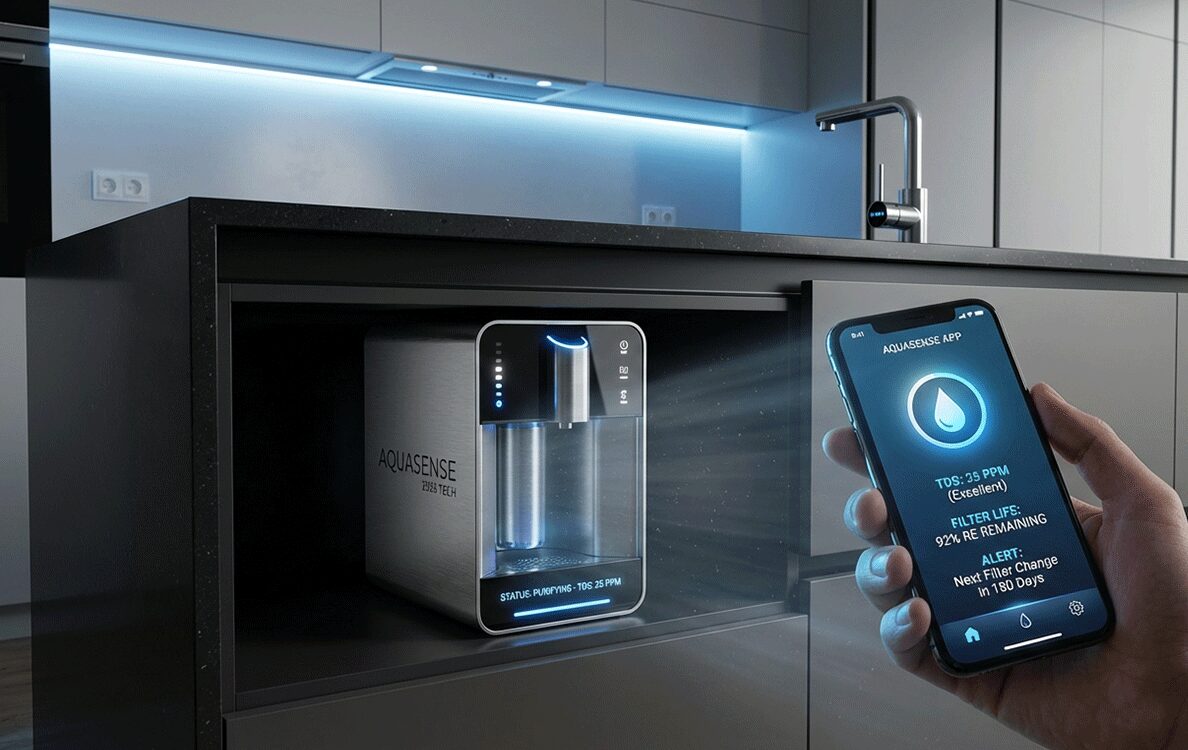
Smart water monitoring devices are equipped with advanced sensors that detect various water quality metrics. These sensors are connected to a WiFi network, allowing the data to be transmitted to a user’s smartphone or tablet via a dedicated app.
The app provides a user-friendly interface to monitor water quality, displaying metrics such as contaminant levels, water pressure, and filter lifespan. Users can access historical data, track changes over time, and receive alerts when maintenance is required or when there’s an issue with the water quality.
Key Features of App Monitoring:
- Real-time water quality monitoring
- Customizable alerts and notifications
- Historical data tracking
- Maintenance reminders
Understanding Water Quality Metrics
Water quality metrics monitored by smart water filters include contaminant levels such as lead, chlorine, and bacteria. Understanding these metrics is crucial for ensuring the water is safe to drink.
Common Water Quality Metrics:
- pH Level: Indicates the acidity or alkalinity of the water.
- Total Dissolved Solids (TDS): Measures the concentration of dissolved substances.
- Contaminant Levels: Tracks the presence of harmful substances like lead or chlorine.
By understanding and monitoring these metrics, users can take proactive steps to maintain or improve their water quality. Regular monitoring also helps in identifying issues early, reducing the risk of consuming contaminated water.
Maintenance Tips for Smart Water Filters
Maintaining your smart water filter is crucial for its longevity and effectiveness in purifying water. Regular maintenance not only ensures the quality of the water but also prolongs the lifespan of the filter.
Regular Filter Replacement
One of the most critical aspects of maintaining your WiFi enabled water filter is replacing the filters at the recommended intervals. Most smart water filters come with an app that notifies you when it’s time to replace the filter. This feature is part of what makes smart water management solutions so convenient.
Typically, filters need to be replaced every 6 to 12 months, depending on usage and the manufacturer’s guidelines. Failing to replace the filter can lead to a decrease in water quality and potentially harm the filter system.
- Check the manufacturer’s guidelines for replacement intervals.
- Use replacement filters that are compatible with your smart water filter model.
- Follow the app’s instructions for replacing the filter to ensure it’s done correctly.

Cleaning and Care Instructions
In addition to replacing filters, regular cleaning of the smart water filter system is necessary. The exterior can be wiped down with a damp cloth, and some models may have specific cleaning instructions for the filter housing and other parts.
It’s also important to check for any software updates for your smart water management solutions to ensure that your filter’s app remains functional and secure.
| Maintenance Task | Frequency | Notes |
|---|---|---|
| Filter Replacement | Every 6-12 months | Check app notifications or manufacturer’s guidelines. |
| System Cleaning | Every 3-6 months | Follow manufacturer’s cleaning instructions. |
| Software Updates | As notified by the app | Ensure app remains secure and functional. |
By following these maintenance tips, you can ensure that your WiFi enabled water filter continues to provide clean and safe drinking water, while also extending the lifespan of the system.
Comparing Traditional Filters to Smart Filters
The difference between traditional and smart water filters lies not just in their technology, but in their overall performance and user experience. Traditional water filters have been the cornerstone of home water treatment for decades, providing a basic level of filtration. However, smart water filters, with their advanced features and connectivity, are rapidly becoming the preferred choice for many consumers.
Performance Differences
One of the primary differences between traditional and smart water filters is their ability to monitor and report on water quality. Traditional filters rely on the user to replace them at regular intervals, often leading to over or under filtration. In contrast, smart water filters can detect the quality of the water and notify the user when the filter needs to be replaced, ensuring optimal performance at all times.
Furthermore, smart filters often come with additional features such as leak detection and alerts for unusual water usage patterns. These features not only enhance the user’s experience but also provide an added layer of protection against potential water damage.
Cost Analysis over Time
While the initial cost of a smart water filter is typically higher than that of a traditional filter, the long-term cost benefits can be significant. With a smart filter, users can optimize their filter replacement schedule, reducing waste and potentially lowering their overall cost per liter of filtered water.
A cost analysis over time reveals that connected water filtration systems can offer substantial savings. For instance, by monitoring water usage and detecting leaks early, households can avoid costly water damages. Additionally, the optimized filter replacement schedule can lead to less frequent replacements, further reducing costs.
In conclusion, while traditional water filters have their place, smart water filters offer a more advanced, efficient, and cost-effective solution for home water treatment. As technology continues to evolve, the benefits of smart water filters are likely to become even more pronounced.
Troubleshooting Common Issues
Troubleshooting is an essential skill for maintaining the efficiency of advanced leak detection systems and WiFi water purifiers. Despite their advanced features, these systems can sometimes experience issues that need to be addressed promptly.
Connectivity Problems
Connectivity issues can hinder the performance of your WiFi water purifier. Common problems include a weak WiFi signal, incorrect network settings, or issues with the filter’s connectivity hardware.
- Ensure your router is functioning correctly and is within range of the water filter.
- Check the network settings on your filter to ensure it’s connected to the correct WiFi network.
- Restart your filter and router to resolve any temporary connectivity issues.
Filter Malfunction Solutions
Filter malfunctions can lead to reduced water quality or system failures. Common issues include clogged filters, incorrect installation, or worn-out parts.
| Issue | Solution |
|---|---|
| Clogged Filter | Replace the filter cartridge with a new one, ensuring it’s correctly installed. |
| Incorrect Installation | Refer to the user manual and re-install the filter correctly, ensuring all connections are secure. |
| Worn-out Parts | Inspect the system for worn-out parts and replace them as necessary, contacting customer support if needed. |
By addressing these common issues, you can ensure your smart water filter continues to function effectively, providing you with clean drinking water and peace of mind.
Future Trends in Water Purification Technology
Emerging trends in water purification are set to redefine the industry, with a focus on integrating smart technology and IoT solutions. As we move forward, the integration of advanced technologies is expected to significantly enhance water purification systems.
Advancements in Smart Filters
Smart water filters are becoming increasingly sophisticated, with advanced filtration technologies that can detect and remove a wider range of contaminants. These filters are not only more effective but also offer real-time monitoring and maintenance alerts through connected apps.
Improved filter longevity and enhanced water quality monitoring are key benefits of these advancements. For instance, some smart filters can now detect lead, chlorine, and other harmful substances, providing users with detailed insights into their water quality.
The Role of IoT in Water Purification
The Internet of Things (IoT) is playing a pivotal role in transforming water purification systems. By connecting water purification devices to the internet, IoT enables real-time monitoring and control, allowing for more efficient management of water resources.
IoT-based water purification systems can predict maintenance needs and detect anomalies in real-time, reducing the risk of system failures and improving overall efficiency. This connectivity also facilitates the collection of data on water usage patterns, helping to optimize water distribution and conservation efforts.
User Testimonials and Case Studies
Real-life experiences with smart home water solutions have shown significant benefits in water quality and leak detection. Users have reported improved water taste and reduced reliance on bottled water.
Real-Life Experiences with Smart Filters
Many users have praised the convenience and effectiveness of smart water filters. For instance, a family in California reported a significant reduction in their bottled water expenses after installing a smart water filter. The system’s app monitoring feature allowed them to track water quality in real-time, ensuring they always had access to clean drinking water.
Success Stories of Leak Detection Systems
A notable example of a leak detection water system success story comes from a homeowner in Florida. The system detected a hidden leak behind a wall, preventing potential water damage and costly repairs. The homeowner was able to address the issue promptly, avoiding further complications.
These testimonials demonstrate the value of smart water filters and leak detection systems in enhancing water management and reducing waste. As smart home technology continues to evolve, we can expect to see even more innovative solutions in the realm of water purification and leak detection.


I always was interested in this subject and stock still am, thankyou for posting.
Thank you! I’m glad to hear this topic interests you, and I appreciate your kind