How Water Quality Impacts Skin, Hair, and Laundry: Expert Insights
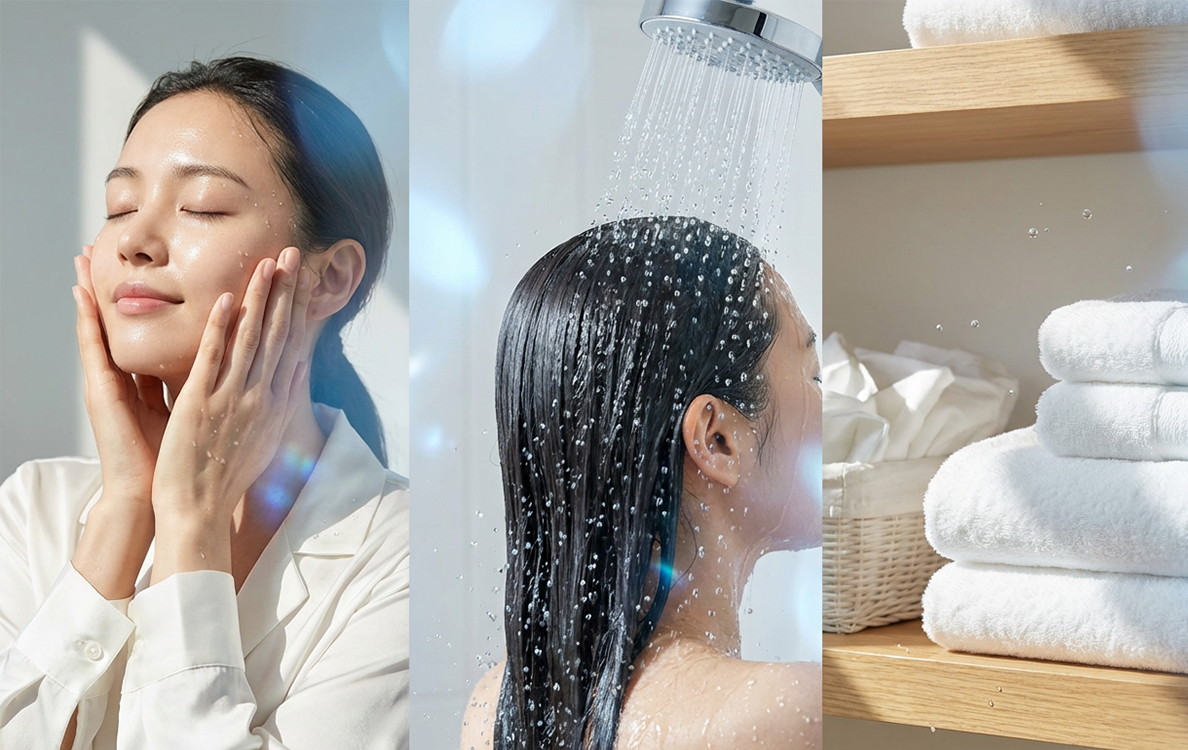
Water quality impacts skin, hair, and laundry in different ways depending on hardness, disinfectant residuals and local water chemistry. Hard-water minerals can leave deposits on surfaces and fabrics, while other water properties may affect taste, odor or the bathing experience. Use a water report or appropriate test to identify the issue before choosing a softener, carbon filter or other treatment.

The presence of various substances in the liquid can lead to skin irritations and hair damage. Furthermore, it can also affect the cleanliness and freshness of our laundry.
Using a suitable filtration system, such as a baby water filter, can help mitigate these issues, ensuring a healthier and more comfortable daily life.
Key Takeaways
- The condition of the liquid affects skin and hair health.
- Impurities can cause skin irritations and hair damage.
- A suitable filtration system can help alleviate these problems.
- Cleaner liquid can improve the cleanliness of laundry.
- Using a baby water filter can ensure a healthier daily life.
Understanding Water Quality and Its Importance
Water quality plays a significant role in our overall well-being, influencing our health, hygiene, and household maintenance. It’s essential to understand what water quality entails and why it’s crucial for our daily lives. The quality of water affects not just our drinking water but also the water used for bathing, cooking, and laundry.
What Is Water Quality?
Water quality refers to the chemical, physical, and biological characteristics of water. It determines the suitability of water for various uses, including drinking, bathing, and laundry. Good water quality is characterized by low levels of contaminants, appropriate pH levels, and the absence of harmful bacteria and viruses. For instance, using a nursery water purifier can significantly enhance the quality of water for infants by removing impurities and contaminants.
One of the critical aspects of water quality is the presence of chlorine. While chlorine is used to disinfect water, excessive amounts can be harmful, especially for babies. Using a system that can remove chlorine baby bath water can help mitigate these risks, ensuring a safer bathing experience for infants.
Key Factors Affecting Water Quality
Several factors can affect water quality, including environmental conditions, infrastructure, and human activities. Key factors include:
- pH levels and mineral content
- Presence of contaminants and pollutants
- Hardness of water, which can affect skin and hair health
- Levels of chlorine and other disinfectants
Understanding these factors is crucial for maintaining good water quality. Regular testing and appropriate treatment, such as filtration systems, can help ensure that the water in your home is safe and healthy for various uses.
The Connection Between Water Quality and Skin Problems
Understanding the impact of water quality on skin is essential for addressing common skin issues. Water quality can significantly affect skin health, leading to various problems if not properly managed.
Common Skin Issues Linked to Water Quality
Poor water quality is associated with several skin issues, including dryness, irritation, and acne. The presence of certain minerals and contaminants in water can strip the skin of its natural oils, leading to dryness and irritation. Moreover, the high pH level of hard water can disrupt the skin’s natural barrier function.
Some of the common skin issues linked to poor water quality include:
- Dry skin due to the removal of natural oils
- Irritation and redness caused by mineral deposits
- Acne breakouts resulting from clogged pores
- Eczema flare-ups triggered by water contaminants
Hard Water’s Impact on Skin Health
Hard water, characterized by high levels of calcium and magnesium, can have a particularly harsh effect on skin health. The minerals in hard water can leave residue on the skin, potentially clogging pores and causing irritation. Furthermore, hard water can disrupt the skin’s natural pH balance, leading to dryness and other skin issues.
Using a safe water purifier for nursery or a best water filter for baby can help mitigate the effects of hard water on skin. These systems can remove minerals and contaminants that contribute to skin problems, providing cleaner water for bathing and skincare routines.
| Skin Issue | Effect of Hard Water | Solution |
|---|---|---|
| Dry Skin | Removes natural oils | Use a moisturizer after bathing |
| Irritation/Redness | Mineral deposits cause irritation | Install a water filter or softener |
| Acne | Clogs pores with mineral residue | Use a gentle cleanser and consider a water filter |
Hard Water and Hair Damage: What You Need to Know
Hard water, characterized by high levels of minerals such as calcium and magnesium, can significantly impact hair health. The mineral content in hard water can lead to a range of hair care issues.
Mineral Buildup and Hair Health
The minerals present in hard water can cause buildup on the hair shaft, leading to dryness, brittleness, and dullness. This buildup can also weigh the hair down, making it look lifeless.
Key effects of mineral buildup include:
- Dryness and brittleness
- Dullness and lack of shine
- Increased breakage
Identifying Hair Damage from Hard Water
Signs that your hair is being damaged by hard water include:
- Increased tangling and knotting
- Difficulty in managing and styling hair
- A dull, lackluster appearance
If you’re experiencing these issues, it may be worth considering the quality of your water.
Mitigating the Effects of Hard Water on Hair
There are several solutions available for mitigating the effects of hard water on hair. These include:
- Using a water filter that removes minerals causing hardness
- Employing hair care products designed to counteract the effects of hard water
- Regularly using a clarifying shampoo to remove mineral buildup
For families, especially those with babies, using a top-rated baby water filter can be beneficial not just for drinking water but also for bathing, potentially reducing the impact of hard water on hair.
While the primary focus is on hair, it’s worth noting that solutions like water filters can also aid in chlorine removal for baby products, enhancing overall water quality for family use.
The Benefits of Soft Water for Skin and Hair
Unlike hard water, soft water offers several benefits that can enhance one’s beauty routine. Soft water is gentler on the skin and hair, making it an ideal choice for those looking to improve their skin care and hair health.
Enhancing Skin Care Routines
Soft water enhances skin care routines by maintaining the skin’s natural pH and moisture levels. When washing with soft water, the skin is less likely to be stripped of its natural oils, reducing the risk of dryness and irritation. This is particularly beneficial for individuals with sensitive skin or conditions like eczema.
Benefits of Soft Water for Skin:
- Maintains natural moisture barrier
- Reduces irritation and dryness
- Improves skin elasticity
As noted by dermatological experts, using soft water can significantly improve skin health. “Soft water is less likely to disrupt the skin’s natural barrier function, making it an excellent choice for daily cleansing,” says a dermatologist.
“Soft water is gentler on the skin, preserving its natural moisture and reducing the risk of irritation.”
Effects on Hair Health
Soft water also has a positive impact on hair health. It improves manageability and reduces frizz, making it easier to style and maintain healthy-looking hair. Soft water allows shampoos and conditioners to work more effectively, as they are not hindered by the minerals present in hard water.
Benefits of Soft Water for Hair:
| Benefit | Description |
|---|---|
| Improved Manageability | Soft water makes hair easier to comb and style |
| Reduced Frizz | Less frizz and more defined curls |
| Enhanced Shine | Hair appears healthier and more vibrant |

For families, especially those with infants, using soft water can be particularly beneficial. Chlorine-free baby bath water, for instance, is gentler on a baby’s sensitive skin. Similarly, an infant water purifier can ensure that the water used for bathing and mixing formula is free from harmful contaminants.
Soft Water Laundry Benefits You May Not Know
Switching to soft water can have a profound impact on the quality and longevity of your laundry. Soft water is gentler on fabrics and can improve the overall cleanliness of your clothes.
Improving Laundry Quality
Soft water enhances laundry quality by reducing spotting and residue left on clothes. This results in cleaner, brighter clothes that feel softer against the skin.
One of the key benefits of soft water is its ability to rinse clothes more effectively, removing detergent residue that can cause stiffness and irritation.
Reducing Detergent Use
Using soft water can significantly reduce the amount of detergent needed for laundry. Soft water allows detergent to lather more easily, making it more effective at lower concentrations.
This not only saves money on detergent but also reduces the environmental impact of laundry day.
Enhancing Fabric Longevity
Soft water is gentler on fabrics, reducing wear and tear caused by mineral buildup from hard water. This can extend the life of your clothes, towels, and other laundry items.
| Benefits | Hard Water | Soft Water |
|---|---|---|
| Detergent Usage | Higher | Lower |
| Clothing Longevity | Shorter | Longer |
| Spotting and Residue | More | Less |
By making the switch to soft water, you can enjoy cleaner, longer-lasting laundry while also reducing your environmental footprint.
Hard Water vs. Soft Water: A Comparison
The characteristics of hard water and soft water vary significantly, influencing everything from laundry to skin health. Understanding these differences is essential for making informed decisions about water treatment and usage in daily life.
Differences in Mineral Content
Hard water contains high levels of minerals such as calcium and magnesium, which can lead to scaling in pipes and appliances. In contrast, soft water has been treated to remove these minerals, resulting in a smoother water quality that is gentler on skin and hair.
Mineral Content Comparison:
| Water Type | Calcium Level | Magnesium Level |
|---|---|---|
| Hard Water | High | High |
| Soft Water | Low | Low |
Impact on Day-to-Day Life
The distinction between hard and soft water has a significant impact on daily activities. For instance, hard water can cause soap scum buildup, making cleaning more difficult, while soft water enhances the effectiveness of detergents, making laundry brighter and softer.
Daily Life Impacts:
- Hard Water: Increased detergent use, potential for appliance damage, dry skin, and frizzy hair.
- Soft Water: Reduced detergent use, softer skin and hair, and longer appliance lifespan.
By understanding the differences between hard water and soft water, individuals can make informed choices about their water treatment needs, potentially improving their quality of life and reducing maintenance costs for household appliances.
The Role of Water Filtration Systems
For households dealing with hard water, a water filtration system is not just a luxury, but a necessity for healthier skin and hair. Hard water can lead to a variety of issues, including hard water hair damage, making the use of an effective water filtration system crucial.
Water filtration systems are designed to remove contaminants and minerals that cause water to be “hard.” By installing such a system, homeowners can significantly improve the quality of their water, thereby reducing the negative impacts on their hair, skin, and laundry.
Types of Water Filtration Systems
There are several types of water filtration systems available, each with its unique benefits and capabilities. The most common include:
- Activated Carbon Filters: Effective at removing chlorine, taste, and odor from water.
- Reverse Osmosis Systems: These systems remove a wide array of contaminants, including dissolved solids.
- Ion Exchange Systems: Particularly useful for softening water by removing calcium and magnesium ions.
As “The quality of water is crucial for household use,” selecting the right filtration system is paramount. According to water quality experts, understanding the specific needs of your household is key to making an informed decision.
Choosing the Right System for Your Home
When choosing a water filtration system, several factors should be considered, including the level of water hardness, the presence of other contaminants, and your budget. It’s also essential to consider the maintenance requirements of the system to ensure it continues to function effectively over time.
“The right water filtration system can significantly improve the quality of your water, enhancing your overall health and wellbeing.”
By carefully evaluating your needs and exploring the various options available, you can select a water filtration system that not only addresses hard water issues but also contributes to a healthier living environment.
DIY Solutions for Hard Water Issues
Mitigating the effects of hard water doesn’t have to be complicated or expensive; several straightforward DIY solutions can make a significant difference. Hard water can cause a range of problems, from dry skin and damaged hair to scaling in appliances and plumbing. Fortunately, there are many simple and effective ways to address these issues.
Home Remedies for Skin and Hair
For skin and hair care, several home remedies can help counteract the harsh effects of hard water. Using vinegar or baking soda can be particularly effective. A vinegar rinse after shampooing can help restore your hair’s natural pH balance, reducing the dryness and brittleness caused by hard water. For skin, adding oatmeal or baking soda to your bathwater can help neutralize the alkalinity of hard water, soothing dryness and irritation.

Tips for Reducing Hard Water Damage
To minimize the damage hard water can cause to your home’s appliances and plumbing, consider implementing a few simple strategies. Regularly cleaning your showerheads and faucets with vinegar can help remove mineral buildup. Additionally, using a water filter or a water softener can significantly reduce the hardness of your water, protecting your appliances and plumbing from scaling.
Another effective tip is to use detergent specifically designed for hard water. These detergents are formulated to work more effectively in hard water conditions, helping to maintain the cleanliness and longevity of your laundry. Moreover, reducing the temperature of your water heater can also help minimize scaling caused by hard water.
By incorporating these DIY solutions into your daily routine, you can significantly reduce the negative impacts of hard water on your skin, hair, and home appliances, enjoying the benefits of softer water without the need for expensive installations.
The Science Behind Water Hardness
The concept of water hardness is rooted in its mineral composition, particularly calcium and magnesium. These minerals are crucial in determining whether water is classified as hard or soft, which in turn affects its usage and impact on household chores, personal hygiene, and even appliances.
What Causes Hard Water?
Hard water is caused by the presence of high levels of dissolved minerals, primarily calcium and magnesium. As water passes through soil and rock formations, it absorbs these minerals, leading to its hardness. The degree of hardness is directly related to the concentration of these minerals.
Key minerals responsible for water hardness:
- Calcium
- Magnesium
For households concerned about the quality of their water, especially those with infants, using a nursery water purifier can be a viable solution to reduce mineral content and achieve softer water.
Measuring Water Hardness Levels
Water hardness is typically measured in terms of the amount of calcium carbonate (CaCO3) in the water, expressed in parts per million (ppm) or milligrams per liter (mg/L). The classification of water hardness is as follows:
| Classification | CaCO3 Concentration (ppm) |
|---|---|
| Soft | 0-60 |
| Moderately Hard | 61-120 |
| Hard | 121-180 |
| Very Hard | >180 |
As illustrated in the table, understanding the hardness level of your water is essential for making informed decisions about water treatment options, such as installing a water softener or using a nursery water purifier for specific needs.
According to water quality experts, “The hardness of water is a critical factor that influences not just household chores but also has significant implications for personal hygiene and appliance longevity.” This underscores the importance of being aware of your water’s hardness level.
“Water quality is not just about safety; it’s also about the overall experience of using water in our daily lives.”
Water Quality Testing: How to Get Started
Assessing your water quality is the first step towards making informed decisions about your water usage. Whether you’re concerned about the safety of your drinking water or its impact on your skin and hair, understanding how to test your water is crucial.
DIY Water Testing Kits
For homeowners, DIY water testing kits offer a convenient and initial assessment of water quality. These kits typically test for parameters such as pH, hardness, and the presence of certain contaminants. When choosing a DIY kit, look for one that is comprehensive and includes clear instructions.
While DIY kits are useful, they have limitations. They might not test for all possible contaminants, and their accuracy can vary. For instance, if you’re concerned about lead or specific bacteria, a DIY kit might not be sufficient.
When to Call a Professional
If your DIY test results indicate a problem, or if you’re unsure about what to test for, it’s time to call a professional. Water quality experts can conduct comprehensive tests that cover a wide range of contaminants, including heavy metals, pesticides, and bacteria. This is particularly important for households with vulnerable members, such as babies, where the choice of the best water filter for baby can be a critical decision.
Professionals can also provide guidance on how to address any issues found during testing. Whether it involves installing a water filtration system or taking other corrective measures, their advice can be invaluable in ensuring your water is safe and healthy.
In conclusion, testing your water quality is a vital step in maintaining a healthy home environment. By understanding when to use DIY kits and when to seek professional help, you can make informed decisions about your water usage and treatment.
The Environmental Impact of Water Quality
Understanding the environmental impact of water quality is essential for preserving natural habitats and ensuring the well-being of our planet. Water quality affects not just human health but also the health of ecosystems.
The condition of our water sources has a direct impact on local ecosystems. Polluted water can lead to the decline of aquatic life, affecting biodiversity and the overall health of the environment. For instance, the presence of excess nutrients in water bodies can cause eutrophication, leading to algal blooms that deplete oxygen and harm aquatic life.
Local Ecosystems and Water Sources
Water sources are vital for maintaining the balance of local ecosystems. They support a wide range of plant and animal life, and their quality can significantly influence the health of these ecosystems. For example, wetlands are crucial habitats for numerous species, and their water quality can affect the entire food chain.
Using a safe water purifier for nursery settings is crucial not only for the health of the children but also reflects a broader commitment to environmental sustainability. Clean water practices reduce the demand on natural water sources and decrease the amount of wastewater generated.
Importance of Water Conservation
Conserving water is critical for maintaining healthy ecosystems. Simple actions, such as reducing water usage and preventing pollution, can significantly impact the environment. Water conservation also helps in reducing the energy required to treat and transport water, thereby decreasing the carbon footprint associated with water use.
| Conservation Method | Environmental Benefit |
|---|---|
| Reducing water usage | Decreases the strain on natural water sources |
| Preventing pollution | Protects aquatic life and maintains ecosystem balance |
| Using water-efficient appliances | Lowers energy consumption and reduces waste |
By understanding the importance of water quality and taking steps to conserve water, we can protect local ecosystems and contribute to a more sustainable future.
Making Informed Choices About Your Water
Ensuring access to clean and safe water is crucial for maintaining optimal health, particularly for vulnerable populations such as babies. Understanding the quality of your water and taking proactive measures can significantly impact your overall well-being.
Recognizing the Signs of Water Quality Issues
Identifying potential water quality issues is the first step towards making informed choices. Look out for signs such as skin irritation, hair damage, or scaling on appliances, which can indicate hard water or high levels of contaminants. For families with babies, it’s essential to consider the impact of chlorine removal for baby products, as chlorine can affect the skin and overall health.
Maintaining Your Water System for Optimal Health
Regular maintenance of your water system is vital to ensure it continues to provide safe and healthy water. This includes checking and replacing filters, such as top-rated baby water filters, and ensuring that your water treatment system is functioning correctly. By staying on top of maintenance, you can enjoy the benefits of clean and safe water for years to come.


Pretty great post. I just stumbled upon your weblog and wished to mention that I’ve truly loved surfing around your blog posts. After all I’ll be subscribing in your rss feed and I’m hoping you write again very soon!
Thank you very much for your kind words and encouragement. I’m truly glad you enjoyed browsing through the posts, and I really appreciate your interest in the content. I’ll do my best to keep publishing useful and engaging articles soon. Thank you again for your support.
I wanted to post you one tiny note in order to say thank you again for these exceptional thoughts you have shared on this page. This is remarkably generous with people like you to give publicly all that many of us would’ve made available as an e-book in making some bucks for themselves, especially given that you might have done it if you ever decided. These smart ideas likewise served to become good way to fully grasp the rest have similar interest much like my personal own to realize great deal more with respect to this matter. I think there are thousands of more pleasant periods up front for folks who look into your blog.
Thank you so much for your thoughtful and encouraging message. Your words truly mean a lot to me. I’m very happy to know that the content has been useful and appreciated. My goal has always been to share helpful information freely and create a place where people with similar interests can learn and grow together. Comments like yours are a wonderful motivation to continue creating and improving. Thank you again for your kindness and support!