Water Filter Maintenance Schedule: Free Printable Checklist
A water filter maintenance schedule should follow the manufacturer’s instructions and your home’s water conditions rather than a universal calendar. Track cartridge changes, membrane or UV servicing where applicable, cleaning, leaks and performance changes. Replace media at the specified interval or sooner when indicated, and keep a log to make maintenance predictable without replacing parts unnecessarily.

A well-maintained filtration system is key to effective water purification. By following a scheduled maintenance routine, you can prevent issues such as reduced flow rate and compromised water quality.
To simplify this process, we’ve created a free printable checklist that you can use to stay on track with your maintenance tasks.
Key Takeaways
- Regular maintenance is essential for optimal water filter performance.
- A maintenance schedule helps prevent common issues with filtration systems.
- Using a printable checklist can simplify the maintenance process.
- Proper care ensures the longevity of your water purification system.
- Clean drinking water is a result of diligent maintenance.
Understanding the Importance of Water Filters
The significance of water filters in providing safe drinking water cannot be overstated. Water filters are crucial in removing contaminants and pollutants from water, making it safe for consumption. With regular maintenance, water filters can continue to provide clean drinking water, emphasizing the need to understand their importance.
Benefits of Regular Maintenance
Regular maintenance of water filters is essential to ensure they function effectively. By maintaining your water filter, you can extend its lifespan and ensure it continues to remove pollutants from your drinking water. Regular maintenance also helps in reducing the risk of waterborne diseases by keeping the filter in good working condition.
The benefits of regular maintenance include improved water quality, reduced maintenance costs in the long run, and the assurance that your drinking water is safe. For instance, RO system maintenance involves cleaning and replacing membranes, which is crucial for the system’s efficiency.
Common Signs You Need a Replacement
Over time, water filters can become less effective, signaling the need for a replacement. Common signs include a noticeable decrease in water pressure, a change in the taste or odor of the water, or the filter becoming clogged. For carbon filters, a common sign is the reappearance of chlorine taste or odor in the filtered water.
Recognizing these signs is crucial for maintaining water quality. For example, if you notice that your water filter is not performing as well as it used to, it might be time to consult a water filter replacement guide to determine the best course of action.
Types of Water Filters for Your Home
The quest for pure drinking water leads many homeowners to explore various water filtration systems. Understanding the different types of water filters available is essential for making an informed decision that suits your home’s needs.
Reverse Osmosis (RO) Systems
Reverse Osmosis systems are highly effective in removing a wide range of contaminants from water, including dissolved solids, bacteria, and viruses. RO systems force water through a semi-permeable membrane, resulting in purified water. Regular maintenance, including membrane replacement, is crucial for optimal performance.
Carbon Filters
Carbon filters are popular for their ability to remove chlorine, taste, and odor from water. They work by attracting and holding contaminants in their porous surface. Activated carbon filters are particularly effective and may require periodic replacement or backwashing to maintain their effectiveness.
Gravity Filters
Gravity filters operate without electricity, using gravity to pull water through a filtration element. They are ideal for emergency preparedness or off-grid living. Gravity filters can be effective against bacteria, viruses, and parasites, depending on the filter media used.
As noted by water quality experts, “The right water filter can significantly improve the taste and safety of your drinking water.”
How to Create a Water Filter Maintenance Schedule
To keep your water filter operating efficiently, it’s essential to establish a regular maintenance routine. A well-maintained water filter not only ensures clean drinking water but also prolongs the lifespan of the filter itself. Regular maintenance is key to optimal performance.
Setting Replacement Intervals
Setting replacement intervals for your water filter depends on several factors, including the type of filter, usage, and manufacturer’s recommendations. For instance, Reverse Osmosis (RO) membranes typically need to be replaced every 2-3 years, while carbon filters may need replacement every 6-12 months. It’s crucial to consult your filter’s manual or manufacturer’s website for specific guidance.
As Pentair, a renowned water filter manufacturer, suggests, “Regularly replacing your water filter cartridges is vital for maintaining water quality and system performance.”

Tracking Filter Lifespan
Tracking the lifespan of your water filter involves monitoring its performance and noting when it was installed. You can use a log or a digital calendar to remind you when it’s time for maintenance or replacement. Keeping a maintenance log can help you stay on track.
As noted by
“The key to maintaining your water filter is not just replacing it, but understanding when and how to do so effectively.” – Water Quality Expert
By following these steps and staying informed, you can create an effective maintenance schedule for your water filter, ensuring it continues to provide clean and safe drinking water.
Water Filter Replacement Guide
Understanding when and how to replace your water filter can significantly impact the quality of your drinking water. Regular replacement ensures that your water filter continues to remove contaminants effectively, providing you with clean and fresh drinking water.
When to Replace Your Water Filter
Several indicators signal that it’s time to replace your water filter. These include a noticeable decrease in water pressure, a change in the taste or odor of your drinking water, and the expiration of the filter’s recommended lifespan. For RO systems, it’s crucial to monitor the condition of the membrane and replace it as needed to maintain optimal performance.
Steps for Replacing a Water Filter
Replacing a water filter involves several straightforward steps. First, turn off the water supply to the filter system. Next, release any pressure in the system by dispensing water through the faucet until it stops flowing. Then, remove the old filter, taking care to properly dispose of it. Install the new filter, ensuring it’s securely in place, and turn the water supply back on. Finally, check the system for leaks and flush the new filter according to the manufacturer’s instructions.
For RO system maintenance, additional steps may be required, such as sanitizing the system and checking the condition of pre-filters and post-filters. Always refer to your system’s manual for specific guidance on replacement and maintenance procedures.
RO Membrane Cleaning
Regular cleaning of the RO membrane is essential to prevent fouling and maintain the performance of your RO system. Over time, the membrane can become clogged with contaminants, reducing its effectiveness and potentially leading to system failure.
Importance of RO Membrane Maintenance
Maintaining your RO membrane is crucial for ensuring the quality of the water produced by your reverse osmosis system. A clean membrane ensures optimal water flow and filtration efficiency, safeguarding against bacterial and viral contaminants.
The importance of RO membrane maintenance cannot be overstated. Neglecting this critical task can result in decreased water quality, increased energy consumption, and potentially costly repairs or replacements.
Step-by-Step Cleaning Process
Cleaning your RO membrane involves several steps that must be followed carefully to ensure the membrane is properly maintained.
- First, turn off the system and relieve the pressure by opening the faucet.
- Next, remove the membrane from its housing, taking care not to damage it.
- Then, soak the membrane in a cleaning solution specifically designed for RO membranes.
- After soaking, gently scrub the membrane with a soft brush to remove any stubborn contaminants.
- Finally, rinse the membrane thoroughly with clean water and reinstall it in its housing.
By following these steps, you can extend the life of your RO membrane and ensure your system continues to produce clean, safe drinking water.
Carbon Filter Replacement
The effectiveness of a water filtration system heavily relies on the condition of its carbon filter. Carbon filters play a crucial role in removing impurities and improving the taste and odor of water. However, over time, these filters can become clogged and less effective, necessitating regular maintenance and eventual replacement.
Proper maintenance of your carbon filter involves understanding when to replace it and how to care for it in the meantime. This includes practices like backwashing, which can extend the life of the filter.
How Often Should You Replace Carbon Filters?
The frequency of replacing carbon filters depends on several factors, including the type of filter, the quality of the water being filtered, and the manufacturer’s recommendations. Generally, carbon filters should be replaced every 6 to 12 months.
- Check Manufacturer’s Guidelines: Always refer to the manufacturer’s instructions for specific guidance on replacement intervals.
- Monitor Water Quality: If you notice a decline in water taste, odor, or flow rate, it may be a sign that the filter needs to be replaced.
- Consider Water Usage: Households with higher water consumption may need to replace filters more frequently.
Signs of a Worn-Out Carbon Filter
Recognizing the signs of a worn-out carbon filter is crucial for maintaining the effectiveness of your water filtration system. Some common indicators include:
- Reduced Water Flow: A decrease in water flow rate can indicate that the filter is clogged and needs replacement.
- Poor Water Taste or Odor: If the water starts to taste or smell bad again, it could be a sign that the filter is no longer functioning properly.
- Increased Sediment: Noticing more sediment or particulate in the filtered water is another indicator that the filter needs to be replaced.
Regularly inspecting and maintaining your carbon filter, including practices like carbon filter backwashing, can help ensure your water filtration system operates at its best. By staying on top of carbon filter maintenance, you can enjoy cleaner, better-tasting water for years to come.

DIY Water Filter Maintenance Tips
Keeping your water filter in top condition requires some simple DIY hacks. Regular maintenance not only ensures the longevity of your water filtration system but also guarantees that your drinking water remains clean and safe.
Easy Home Maintenance Hacks
One of the simplest ways to maintain your water filter is by regularly checking and replacing the filter cartridges. Most manufacturers provide guidelines on when to replace the cartridges, usually based on the amount of water filtered or time elapsed.
Another effective hack is to clean the filter housing and other parts that come into contact with water. This can be done using a soft brush and mild soap, ensuring that no harsh chemicals are used that could damage the filter or affect the taste of the water.
- Regularly inspect your filter for signs of wear or damage.
- Clean the filter housing and parts with a soft brush and mild soap.
- Replace filter cartridges as recommended by the manufacturer.
Tools You Might Need
To perform these maintenance tasks, you’ll need a few basic tools. These may include a wrench for removing the filter housing, a soft brush for cleaning, and replacement cartridges.
| Tool | Purpose |
|---|---|
| Wrench | Removing filter housing |
| Soft Brush | Cleaning filter parts |
| Replacement Cartridges | Replacing old or worn-out filters |
By following these DIY water filter maintenance tips, you can ensure your water filtration system continues to provide clean and safe drinking water. Regular maintenance is key to extending the life of your filter and ensuring optimal performance.
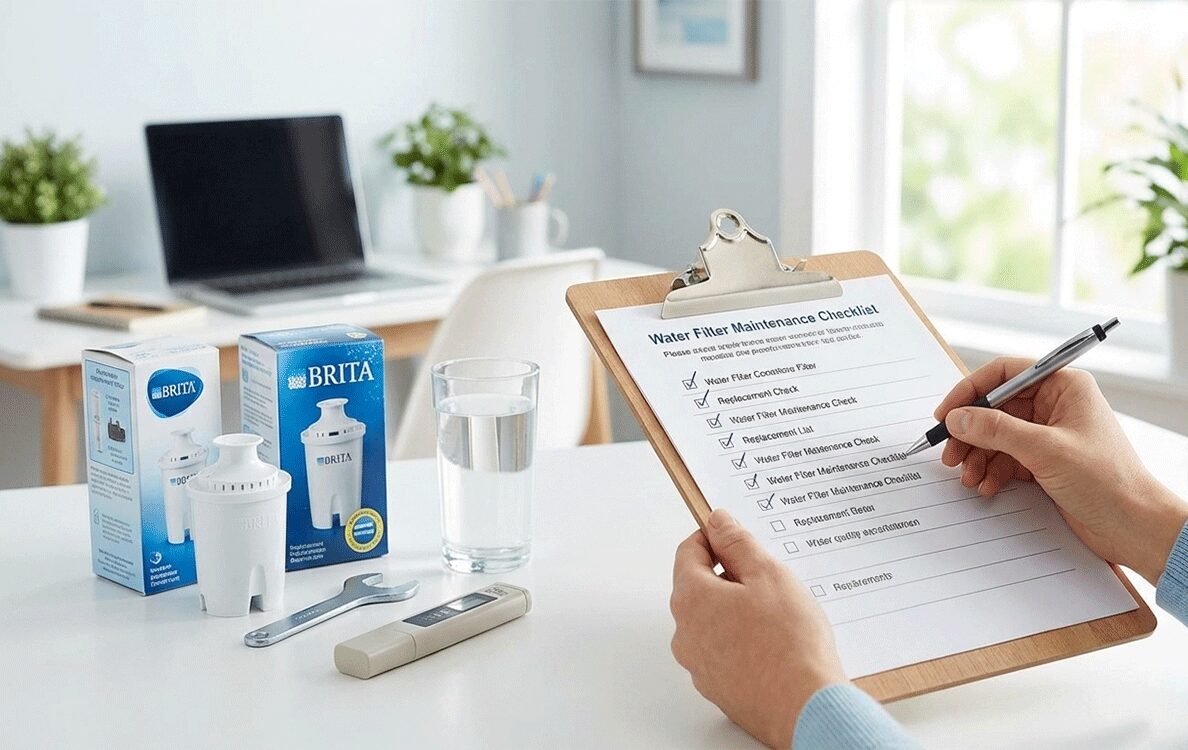
Printable Water Filter Maintenance Checklist
Maintaining your water filter is crucial for clean drinking water, and a printable checklist can simplify the process. A well-organized maintenance schedule helps ensure that your water filter operates at its best, providing you with safe and healthy drinking water.
How to Use the Checklist Effectively
To get the most out of your printable water filter maintenance checklist, follow these steps:
- Download and print the checklist provided.
- Fill in the dates for filter replacements and maintenance tasks as recommended by the manufacturer.
- Regularly check and update the checklist to reflect any changes or replacements made.
By following these simple steps, you can ensure that your water filter is always in good working condition. As water purification tips experts suggest, regular maintenance is key to optimal performance.
Benefits of Having a Maintenance Schedule
Having a maintenance schedule for your water filter offers several benefits, including:
| Benefit | Description |
|---|---|
| Improved Water Quality | Regular maintenance ensures that your water filter continues to remove contaminants effectively. |
| Extended Filter Life | By replacing filters on schedule, you can extend the life of your water filter system. |
| Cost Savings | Regular maintenance can help prevent costly repairs by identifying issues early. |
As noted in a water filter replacement guide, maintaining a schedule can significantly impact the longevity and effectiveness of your water filter. “Regular maintenance is not just about replacing filters; it’s about ensuring the overall health and safety of your drinking water,” says a leading expert in water purification.
“The key to clean drinking water is not just the filter itself, but how well you maintain it. A maintenance schedule is essential for optimal performance.”
By using a printable water filter maintenance checklist, you can stay on top of maintenance tasks and enjoy the peace of mind that comes with knowing your drinking water is safe and clean.
Conclusion: Keeping Your Water Fresh and Clean
Maintaining your water filter is crucial for ensuring the water you drink is fresh and clean. By following a regular maintenance schedule, you can extend the lifespan of your water filtration system and guarantee optimal performance.
Key Takeaways
Throughout this article, we’ve discussed the importance of water filter maintenance, including understanding the different types of water filters, creating a maintenance schedule, and replacing filters as needed. Proper water filtration system care involves regular cleaning and replacement of worn-out parts, such as RO membranes and carbon filters.
Staying on Track
To keep your water filtration system in top condition, it’s essential to stay committed to your maintenance schedule. By doing so, you’ll not only ensure the quality of your drinking water but also prolong the lifespan of your system. Regular water filter maintenance is a simple yet effective way to safeguard your health and the environment.
By incorporating these practices into your routine, you can enjoy fresh and clean drinking water for years to come. Effective water filter maintenance is a straightforward process that requires attention to detail and a commitment to regular upkeep.

I was studying some of your blog posts on this website and I conceive this site is really instructive! Keep posting.
Thank you for your kind feedback. I am pleased to hear that you find the blog posts informative. Your support is greatly appreciated, and more content will be published soon.
Hey there! I’m at work surfing around your blog from my new iphone 3gs! Just wanted to say I love reading through your blog and look forward to all your posts! Keep up the excellent work!
Hey! Thank you so much for your awesome message and support. I’m really happy to hear that you enjoy reading the blog, even while at work on your iPhone! Your encouragement truly means a lot, and I’ll keep working hard to share more useful and interesting posts. Thanks again and enjoy your day!