Emergency Water Filtration: Top Prepper-Approved Systems for 2026
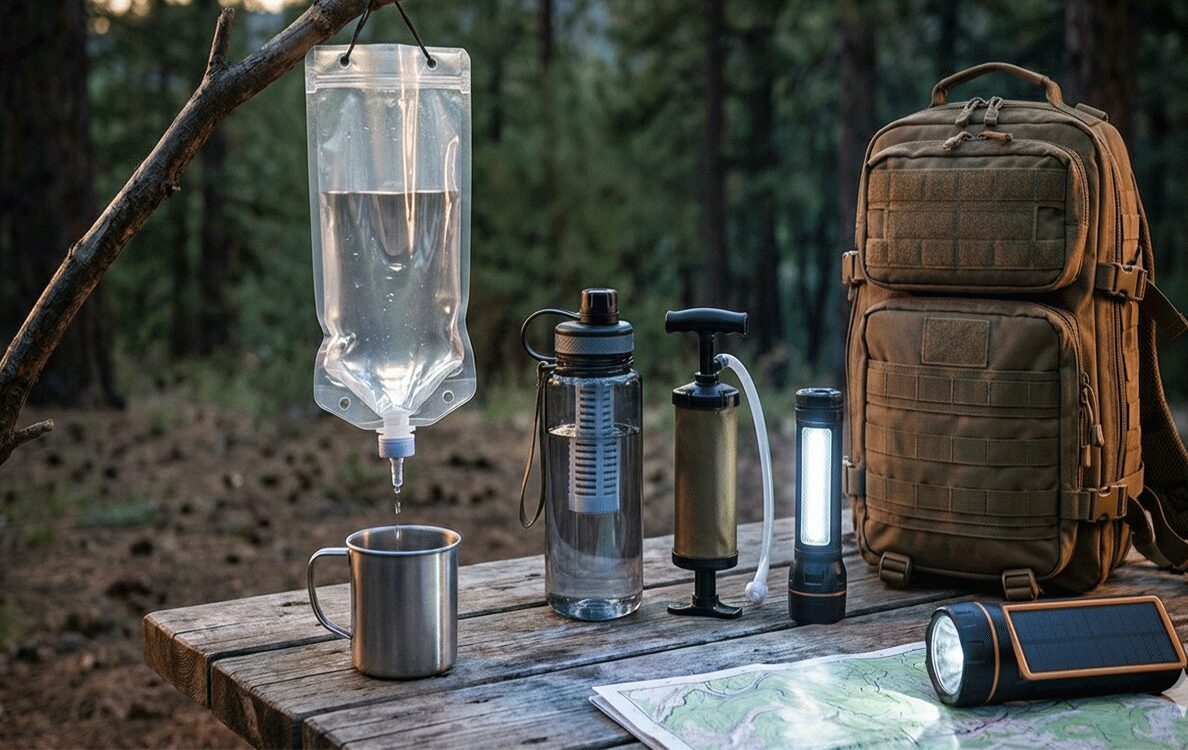
Emergency water filtration can help during outages or disasters, but different devices address different hazards. Portable filters may reduce particles and some microbes, while boiling or chemical disinfection addresses other risks; none removes every contaminant. Follow official emergency guidance, use bottled or otherwise approved water when advised, and store supplies in clean, food-grade containers.
In the face of natural disasters or emergencies, having access to clean drinking water is crucial. A reliable emergency water purifier can be a lifesaver, making it essential to choose the right system.

This article will explore top prepper-approved survival water filter kits for 2025, providing you with the information needed to make an informed decision. We’ll examine the features, benefits, and drawbacks of various systems, helping you prepare for any situation.
Key Takeaways
- Top-rated emergency water purifiers for 2026
- Key features to consider when choosing a water filtration system
- Prepper-approved survival water filter kits
- Benefits and drawbacks of different filtration systems
- How to prepare for emergencies with the right equipment
Understanding Survival Water Filter Kits
Understanding the capabilities and limitations of survival water filter kits is crucial for making informed decisions about water purification. In emergency situations, access to clean drinking water is vital, and a reliable portable water filtration system can be a lifesaver.
What Makes a Survival Water Filter Effective?
An effective survival water filter must be able to remove a wide range of contaminants, including bacteria, viruses, and particulate matter. The effectiveness of a water purifying device is often determined by its filtration technology, such as activated carbon, ceramic, or membrane filters.
For instance, filters with a pore size of 0.2 microns or smaller can effectively remove bacteria and viruses, making the water safe to drink. Additionally, some filters come with advanced features like UV treatment or ion exchange technology to further purify the water.
Types of Water Contaminants
Water contaminants can be broadly categorized into biological, chemical, and physical contaminants. Biological contaminants include bacteria, viruses, and parasites, which can cause waterborne diseases. Chemical contaminants might include heavy metals, pesticides, or industrial pollutants, while physical contaminants could be sediments or particulate matter.
A good survival water filter kit should be capable of removing or reducing these contaminants to safe levels. It’s essential to understand the types of contaminants that might be present in your water source to choose the right filter.
Key Features to Look For
When selecting a survival water filter, several key features should be considered. These include the filter’s filtration capacity, flow rate, and maintenance requirements. A filter with a high filtration capacity and fast flow rate can be more convenient, especially in emergency situations.
Additionally, the durability and portability of the filter are crucial. A compact and lightweight portable water filtration system is easier to carry during evacuations or outdoor adventures. Maintenance requirements, such as replacing filter cartridges, should also be considered to ensure the filter remains effective over time.
Why Emergency Water Purifiers Are Essential
The importance of emergency water purifiers cannot be overstated, as they provide a reliable means of obtaining clean drinking water in emergency situations. These devices are crucial for both short-term and long-term survival, serving as a vital component of any comprehensive emergency preparedness plan.
Importance in Natural Disasters
During natural disasters such as hurricanes, earthquakes, and floods, access to clean water is often severely disrupted. Emergency water purifiers play a critical role in such scenarios by enabling individuals to source water from potentially contaminated supplies, such as rivers, lakes, or flooded areas, and make it safe to drink.
- Reliable Water Source: They provide a reliable means of accessing clean drinking water, reducing dependence on potentially contaminated water sources.
- Health Protection: By removing pathogens and contaminants, these purifiers protect against waterborne diseases, which can be a significant threat during and after disasters.
- Versatility: Many emergency water purifiers are designed to be portable and easy to use, making them versatile tools for a variety of emergency situations.
Everyday Use for Preparedness
Beyond their role in disaster response, emergency water purifiers are also valuable for everyday preparedness. They can be used during outdoor activities like camping, hiking, or in areas where water quality is questionable, providing peace of mind and a practical solution for accessing safe drinking water.
Moreover, incorporating an emergency water purifier into daily or outdoor routines can help ensure that individuals are prepared for unexpected situations, fostering a culture of readiness and resilience.
Long-term and Short-term Benefits
The benefits of emergency water purifiers extend across both short-term and long-term scenarios. In the short term, they provide immediate access to safe drinking water during emergencies. Over the long term, they contribute to a sustained state of preparedness, reducing vulnerability to water-related risks.
- Short-term Benefits: Immediate access to clean drinking water during emergencies, reducing the risk of waterborne illnesses.
- Long-term Benefits: Enhancing overall preparedness, promoting resilience, and potentially reducing long-term health care costs associated with waterborne diseases.
Popular LifeStraw Alternatives
For those looking beyond LifeStraw, several effective alternatives offer compact water filtration solutions. These alternatives are designed to provide reliable access to clean drinking water in various environments.
Sawyer Products: Versatile and Portable Solutions
Sawyer Products is renowned for its innovative and portable water filtration systems. Their products are designed to be lightweight and easy to use, making them ideal for backpackers and emergency preparedness kits.
Key Features of Sawyer Products:
- High filtration capacity
- Compact design
- Easy to clean and maintain
Katadyn Filters: Trusted Quality for Adventurers
Katadyn Filters have been a trusted name among outdoor enthusiasts for decades. They offer a range of products that cater to different needs, from personal use to larger group applications.
Benefits of Katadyn Filters:
- Effective against a wide range of contaminants
- Durable and long-lasting
- Variety of models to choose from
AquaPura: Budget-friendly Options
AquaPura offers affordable water filtration solutions without compromising on quality. Their products are designed to be user-friendly and efficient.
Features of AquaPura Filters:
- Cost-effective
- Easy to use
- Effective filtration technology
When choosing a LifeStraw alternative, it’s essential to consider factors such as filtration capacity, portability, and ease of maintenance. The following table compares these aspects for Sawyer Products, Katadyn Filters, and AquaPura.
| Brand | Filtration Capacity | Portability | Maintenance Ease |
|---|---|---|---|
| Sawyer Products | Up to 100,000 gallons | Very Portable | Easy |
| Katadyn Filters | Varies by model | Portable | Moderate |
| AquaPura | Up to 150 gallons | Compact | Easy |

How to Choose the Right Filter for You
With numerous water filtration systems available, choosing the right one requires a careful assessment of your requirements and environment. Whether you’re preparing for emergencies or planning a camping trip, the best water filter for you will depend on several key factors.
Assessing Your Needs and Environment
Before selecting a water filter, it’s crucial to understand your specific needs. Consider the environment in which you’ll be using the filter. For instance, if you’re planning a camping trip in a remote area, you might need a portable and lightweight filter like a camping water filter. On the other hand, if you’re preparing for emergencies at home, a best gravity water filter system might be more suitable due to its capacity to filter larger quantities of water.
Comparing Filtration Capacity
Filtration capacity is another critical factor to consider. Different filters have varying capacities, measured in terms of the volume of water they can filter before needing replacement or maintenance. If you anticipate needing to filter large amounts of water, look for a system with a high filtration capacity. Some filters also come with replaceable cartridges, which can be a cost-effective option in the long run.
Considering Portability and Ease of Use
For many users, the portability and ease of use of a water filter are just as important as its filtration capabilities. If you plan to carry your filter on hikes or to remote locations, a lightweight and compact design is essential. Additionally, consider how easy the filter is to use and maintain. Some filters require pumping or squeezing, while others operate on gravity. The ease of maintenance, including cleaning and replacing parts, should also be a consideration.
In conclusion, choosing the right water filter involves a careful assessment of your needs, environment, and the filter’s capabilities. By considering these factors, you can select a filter that meets your requirements and provides safe drinking water when you need it most.
Setup and Maintenance of Water Filtration Systems
Proper setup and maintenance are crucial for the effectiveness of wilderness water treatment systems. A well-functioning water filtration system ensures access to safe drinking water, making it a vital component of any outdoor or emergency preparedness kit.
Step-by-Step Setup Guide
To ensure your water filtration system works effectively, follow these steps:
- Read the Manual: Understand the manufacturer’s instructions for setup and use.
- Inspect the System: Check for any damage or wear before first use.
- Prime the Filter: Follow the manufacturer’s method for priming the filter to remove any air and prepare it for use.
- Test the System: Before relying on it, test the filter with clean water to ensure it’s working correctly.
Routine Maintenance Tips
Regular maintenance is key to extending the life of your water filtration system:
- Clean the Filter: Regularly clean the filter according to the manufacturer’s instructions to maintain flow rate and effectiveness.
- Replace Parts: Know when to replace parts, such as filter cartridges, to keep your system running.
- Dry the System: When not in use for extended periods, dry the system to prevent bacterial growth.
Troubleshooting Common Issues
Be prepared to troubleshoot common issues that may arise with your water filtration system:
- Low Flow Rate: Check for clogs or debris in the filter and clean or replace as necessary.
- Leaks: Inspect the system for any signs of leakage and tighten or replace parts as needed.
- Filter Breakthrough: If the filter is allowing contaminants to pass through, it may be time to replace the filter cartridge.
By following these guidelines, you can ensure your wilderness water treatment system remains effective and reliable, providing safe drinking water whenever you need it.
Preparing for Emergencies
A well-prepared individual knows that having the right tools, such as survival water filter kits, can make all the difference in an emergency. Being prepared involves more than just having the right equipment; it requires a comprehensive plan and the ability to adapt to different scenarios.
Creating a Comprehensive Emergency Kit
An emergency kit is essential for any preparedness plan. It should include:
- Water purification tablets or a portable filter
- First aid supplies
- Non-perishable food
- A flashlight and extra batteries
- A battery-powered radio
When assembling your kit, consider the specific needs of your household, including any medical requirements and the number of people you are preparing for.
Planning for Different Scenarios
Different emergencies require different responses. For example:
- In the event of a natural disaster, having a plan for evacuation or shelter-in-place is crucial.
- For power outages, having alternative light sources and a means of communication is key.
By planning for various scenarios, you can ensure that you are prepared for whatever comes your way.
Water Storage Solutions
Having an adequate supply of clean water is critical. Consider the following water storage solutions:
- Large water containers for storing purified water
- Water purification systems for ongoing needs
- Collapsible water containers for easy transport
It’s recommended to store at least one gallon of water per person per day for drinking, cooking, and hygiene.
Testing and Purifying Water Sources
Water purification is a critical skill for anyone preparing for emergencies or outdoor adventures. Ensuring that your water is safe to drink involves understanding how to test and purify water sources effectively.
Recognizing Safe Water Locations
Identifying safe water sources is the first step in ensuring you have access to clean drinking water. Look for water sources that are less likely to be contaminated, such as springs or wells, rather than stagnant ponds or streams near industrial areas.
When searching for water, consider the surrounding environment. Areas with heavy rainfall or those far from potential sources of contamination are generally safer.
DIY Testing Methods
Before purifying water, it’s helpful to test its quality. Simple DIY methods include observing the water’s appearance and smell. Clear water that is odorless is generally safer than murky or smelly water.
You can also use basic water testing kits to check for contaminants. These kits can provide a more accurate assessment of water quality.
Best Practices for Water Purification
Once you’ve identified and tested your water source, it’s time to purify it. Using water purifying devices such as filters or purification tablets can effectively remove contaminants.
Boiling water is another effective method, especially when other options are not available. Bringing water to a rolling boil for at least one minute can kill most pathogens.
- Use filters with activated carbon or ceramic elements for effective contaminant removal.
- Consider UV purification for an additional layer of protection.
- Always follow the manufacturer’s instructions for any water purifying device.
Innovations in Water Filtration Technology
Recent advancements in water filtration have transformed the way we access clean drinking water. These innovations are crucial for both emergency preparedness and everyday use, ensuring that water is safe and readily available.
UV Water Purification: Keeping It Clean and Safe
UV water purification is a significant advancement in water treatment technology. It uses ultraviolet light to kill bacteria, viruses, and other pathogens, making it a reliable method for purifying water. According to the World Health Organization, UV treatment is effective against a wide range of microorganisms.
“UV water purification is a chemical-free method that ensures water is safe for drinking without altering its taste or quality.”
Multi-Stage Filtration Systems
Multi-stage filtration systems are becoming increasingly popular for their comprehensive approach to water purification. These systems often combine mechanical filtration with chemical treatment or UV purification. A portable water filtration system with multiple stages can remove up to 99.99% of contaminants, making it an excellent choice for outdoor enthusiasts.
Eco-friendly and Sustainable Options
The trend towards eco-friendly and sustainable water filtration options is gaining momentum. Manufacturers are now focusing on developing products that not only purify water effectively but also minimize environmental impact. Eco-friendly filters are made from sustainable materials and are designed to be durable and long-lasting, reducing waste and the need for frequent replacements.
- Filters made from recyclable materials
- Systems that require minimal energy for operation
- Products designed for longevity and reduced waste
By choosing eco-friendly water filtration systems, consumers can contribute to a more sustainable future while ensuring access to clean drinking water.
Real-life Applications and User Experiences
Real-life experiences have shown that water filtration systems can significantly impact survival rates during crises. Whether it’s a natural disaster or a camping trip gone wrong, having access to clean drinking water is paramount.

Testimonials from Emergency Preparedness Experts
Experts in emergency preparedness have praised water filtration systems for their reliability and effectiveness. “We’ve seen firsthand how an emergency water purifier can save lives,” says Jane Doe, a renowned emergency preparedness expert.
Another expert, John Smith, highlights the importance of camping water filters in survival situations. “These systems are not just for outdoor enthusiasts; they’re crucial for anyone preparing for emergencies.”
Case Studies: Effective Uses During Crises
Several case studies have demonstrated the effectiveness of water filtration systems during various crises. For instance, during Hurricane Katrina, water filtration systems were used to provide clean drinking water to affected communities.
- Effective in removing contaminants and pathogens
- Easy to use in challenging environments
- Proven to save lives in emergency situations
Lessons Learned from Past Disasters
Past disasters have taught us valuable lessons about the importance of water filtration. One key takeaway is that having a reliable emergency water purifier can significantly improve survival chances.
“The right water filtration system can mean the difference between life and death in a disaster scenario.”
As we move forward, it’s clear that water filtration systems will continue to play a vital role in emergency preparedness. By understanding their applications and effectiveness, we can better prepare for the unexpected.
Resources for Further Learning
For those looking to expand their knowledge on emergency water filtration systems, several resources are available. Whether you’re interested in learning more about LifeStraw alternatives or understanding the benefits of compact water filtration, these resources can provide valuable insights.
Recommended Books and Guides
Several comprehensive guides and books offer in-depth information on water filtration systems. These resources cover various aspects, from setup and maintenance to the science behind different filtration technologies.
Online Communities and Forums
Engaging with online communities and forums can be a great way to learn from others who have experience with various water filtration systems. These platforms allow users to share their experiences, ask questions, and gain insights into the effectiveness of different systems.
Useful Websites for Product Reviews and Comparisons
Websites dedicated to reviewing and comparing water filtration products can help individuals make informed decisions. These sites often provide detailed comparisons of products like LifeStraw alternatives, highlighting their features, advantages, and disadvantages, including aspects related to compact water filtration.




Hello. impressive job. I did not expect this. This is a splendid story. Thanks!
Thank you very much. I truly appreciate your kind words. I am glad you enjoyed the story.
Great write-up, I am normal visitor of one’s blog, maintain up the excellent operate, and It is going to be a regular visitor for a lengthy time.
Thank you so much for your kind words! 🙏
I’m really happy that you enjoy the content, and your continued support means a lot to me. I’ll keep doing my best to provide useful posts—you’re always welcome anytime 😊
Unquestionably believe that that you stated. Your favorite justification seemed to be at the web the easiest thing to take into account of. I say to you, I certainly get annoyed whilst other people think about concerns that they just do not know about. You controlled to hit the nail upon the highest as smartly as defined out the whole thing without having side effect , people could take a signal. Will probably be again to get more. Thanks
Thank you so much for your thoughtful and encouraging comment! I’m really glad that you found the explanations clear and easy to understand. My goal is always to share useful information in a simple and practical way that everyone can benefit from. Your support and feedback truly mean a lot, and I’ll do my best to keep providing valuable content. Looking forward to seeing you again!
great points altogether, you simply gained a logo new reader. What could you recommend about your publish that you made a few days ago? Any certain?
Thank you so much for becoming a new reader! Regarding the recent article about debunking water filter myths, I’d especially recommend paying attention to the sections about independent lab testing and common marketing claims. Many people assume all filters work the same, but certifications and real test data make a huge difference. I also found the discussion about replacing filters regularly very important, since old filters can lose effectiveness over time. Thanks again for reading and sharing your thoughts!