Reduce Plastic Waste with Home Water Filtration: Eco-Friendly Tips
Home water filtration can reduce reliance on single-use bottled water when tap water is suitable for drinking and the chosen filter meets household needs. Compare bottled-water use with the filter’s purchase price, cartridge waste, replacement schedule and operating requirements to estimate cost and environmental trade-offs. Match filtration to verified water-quality concerns rather than assuming every home needs the same system.
By adopting eco-friendly water filters, households can significantly reduce their reliance on bottled water, thus cutting down on plastic waste.

Implementing a zero waste water filter system is a straightforward way to make a positive environmental impact. It’s an effective strategy for those looking to minimize their ecological footprint.
Key Takeaways
- Switching to home water filtration reduces plastic waste.
- Eco-friendly water filters are a sustainable alternative to bottled water.
- Zero waste water filter systems contribute to a significant decrease in plastic usage.
- Adopting eco-friendly practices in daily life can have a substantial environmental impact.
- Home water filtration systems are a simple and effective solution for reducing bottled water usage.
Understanding Zero Waste Water Filter Systems
Zero waste water filter systems represent a significant step towards reducing plastic waste and conserving natural resources. These systems are designed to provide clean drinking water while minimizing environmental impact.
What Are Zero Waste Water Filter Systems?
Zero waste water filter systems are sustainable water filtration solutions that aim to eliminate the waste associated with traditional water filtration methods. Unlike conventional systems that often result in wasted filter cartridges and plastic packaging, zero waste systems are designed to be more environmentally friendly.
These systems typically use reusable filters or filters that can be composted, reducing the amount of waste sent to landfills. Additionally, they often employ green water purification methods that avoid the use of chemicals, making them a healthier choice for households.
The Benefits of Using Zero Waste Systems
The benefits of zero waste water filter systems are multifaceted. Firstly, they significantly reduce plastic waste. According to the
“Environmental Protection Agency (EPA), the average American generates about 4.4 pounds of trash per day, with a significant portion being plastic waste from water bottles and other disposable water filtration products.”
By switching to a zero waste system, households can contribute to a substantial reduction in this statistic.
Another advantage is the cost savings over time. Although the initial investment in a zero waste water filter system might be higher, the long-term savings are considerable. For instance, low-waste water treatment systems can save households money by reducing the need for bottled water and minimizing the frequency of filter replacements.
Furthermore, zero waste water filter systems promote healthier drinking water. By using advanced filtration technologies, these systems can remove a wide range of contaminants, including lead, chlorine, and other harmful substances, ensuring that the water is not only sustainable but also safe to drink.
The Impact of Bottled Water on the Environment
The environmental impact of bottled water is a growing concern that warrants immediate attention. As consumers become more aware of the ecological footprint of their choices, the need to assess the effects of bottled water has become increasingly important.
Key Statistics on Bottled Water Consumption
The statistics surrounding bottled water consumption are staggering. Here are a few key points:
- Over 8 million tons of plastic waste enter the world’s oceans every year, with bottled water containers being a significant contributor.
- The global bottled water market has seen a significant increase in consumption, with sales projected to continue rising.
- In the United States alone, it’s estimated that over 100 billion plastic bottles are used annually, with a substantial portion being bottled water containers.
The Carbon Footprint of Bottled Water
The carbon footprint of bottled water is substantial, encompassing the energy used in production, transportation, and storage. Some key aspects include:
- The production process involves extracting water, manufacturing bottles, and filling them, all of which require significant amounts of energy.
- Transporting bottled water from source to consumer contributes to greenhouse gas emissions, especially for long-distance shipments.
- The disposal of bottled water containers, if not properly recycled, adds to landfill waste and potential ocean pollution.
To eliminate plastic water bottles and reduce our reliance on single-use water containers, adopting environmentally friendly water filtration systems is a viable solution. By doing so, we can significantly decrease the demand for bottled water and mitigate its environmental impact.
Advantages of Home Water Filtration
Home water filtration offers numerous benefits, from cost savings to improved health. By installing a water filtration system at home, individuals can significantly reduce their reliance on bottled water, contributing to a more sustainable environment.
Cost Savings Over Time
One of the most compelling advantages of home water filtration is the potential for cost savings. Although the initial investment in a filtration system may seem significant, it pays off over time. To illustrate the savings, consider the following comparison:
| Water Source | Annual Cost |
|---|---|
| Bottled Water | $500-$700 |
| Filtered Tap Water | $50-$100 |
As shown in the table, switching to filtered tap water can lead to substantial savings, reducing annual water costs by up to 80%. This makes home water filtration a financially savvy choice for households.
Health Benefits of Filtered Water
Filtered water not only saves money but also provides health benefits. Tap water can contain various contaminants, including lead, chlorine, and bacteria, which can be harmful to health. A home water filtration system can remove these impurities, ensuring the water is safe and clean to drink.
Key health benefits of filtered water include:
- Reduced exposure to harmful contaminants
- Improved taste and odor of water
- Lower risk of waterborne diseases
By choosing a home water filtration system, individuals can enjoy cleaner, healthier drinking water, contributing to overall well-being.
Types of Water Filtration Systems
Homeowners have several options when it comes to water filtration systems, including pitcher filters, faucet-mounted filters, and under-sink filters. These systems cater to different needs, preferences, and budgets, making it easier to find one that suits your household.
Pitcher Filters
Pitcher filters are a popular choice for those looking for a simple, cost-effective solution. They are easy to use and require minimal installation. Key benefits include:
- Ease of use
- Low initial cost
- No installation required
However, they may need frequent filter replacements and can be less effective against certain contaminants.
Faucet-Mounted Filters
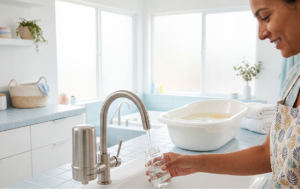
Faucet-mounted filters offer a convenient and relatively affordable way to filter water directly from your tap. They are a good middle ground between pitcher filters and more complex systems. Some benefits include:
- Easy installation
- Effective against a wide range of contaminants
- No significant impact on water pressure
However, they may not be compatible with all faucet types and can affect the aesthetic of your sink area.
Under-Sink Filters
Under-sink filters provide a more permanent solution, filtering water directly from the water supply lines under your sink. Advantages include:
- High filtration capacity
- Longer filter lifespan
- Less clutter on the countertop
However, they require professional installation in some cases and can be more expensive upfront.

When choosing a water filtration system, consider factors such as your budget, the level of filtration you need, and the ease of maintenance. By understanding the different types available, you can make an informed decision that meets your needs and contributes to a more sustainable lifestyle.
Choosing the Right Water Filtration System for Your Home
With numerous water filtration systems available, choosing the right one for your home requires careful consideration of several key factors. As consumers become more environmentally conscious, the demand for zero waste water filter systems and eco-conscious hydration solutions has significantly increased.
Factors to Consider Before Purchasing
Before making a purchase, it’s essential to evaluate several factors, including the type of contaminants you want to remove, the flow rate of the system, and the maintenance requirements. Environmentally friendly water filtration systems not only provide clean drinking water but also contribute to reducing plastic waste.
- Filtration efficiency: Look for systems that can remove a wide range of contaminants, including lead, chlorine, and bacteria.
- Maintenance requirements: Consider how often the filters need to be replaced and the cost associated with replacement cartridges.
- Cost: Evaluate the upfront cost of the system, as well as the ongoing expenses, to determine the best value for your money.
Popular Brands to Explore
Several brands have made a name for themselves in the market by offering high-quality, environmentally friendly water filtration solutions. Some of these include:
“The best way to get started is to quit talking and begin doing.” – Walt Disney
While this quote is not directly related to water filtration, it emphasizes the importance of taking action towards a more sustainable lifestyle, such as switching to a zero waste water filter system.
| Brand | Type of Filter | Certification |
|---|---|---|
| Brand A | Activated Carbon | NSF International |
| Brand B | Reverse Osmosis | Water Quality Association |
| Brand C | Ultraviolet (UV) | NSF International |
By considering these factors and exploring popular brands, you can make an informed decision that aligns with your values and meets your needs for clean drinking water.
How to Maintain Your Water Filter System
Proper upkeep of your water filter can significantly enhance its performance and longevity. Regular maintenance not only ensures that your drinking water remains clean and safe but also prolongs the life of your filtration system.
Cleaning Tips for Optimal Performance
To keep your water filter system running efficiently, it’s essential to clean it regularly. For systems with removable parts, such as pitcher filters or faucet-mounted filters, cleaning with mild soap and warm water can help remove any buildup or residue. It’s also crucial to rinse these parts thoroughly to prevent any soap taste in your filtered water.
For more complex systems, like under-sink filters, checking the manufacturer’s instructions for specific cleaning recommendations is advisable. Some systems may require periodic flushing of the filter cartridges or replacement of pre-filters to maintain optimal flow rates and water quality.
When to Replace Filter Cartridges
Knowing when to replace your filter cartridges is vital for maintaining the effectiveness of your water filtration system. Most manufacturers provide guidelines on when to replace cartridges based on time (e.g., every 6 months) or volume of water filtered. Ignoring these guidelines can lead to reduced water quality and potentially harmful contaminants in your drinking water.
Regularly inspecting your filter cartridges for signs of wear, such as discoloration or reduced water flow, can also indicate when they need to be replaced. By staying on top of cartridge replacements, you can ensure your water filtration system continues to provide clean, sustainable drinking water, reducing your reliance on single-use water containers and supporting a low-waste water treatment approach.
By following these maintenance tips, you can enjoy the benefits of a well-functioning water filter system, contributing to a more sustainable lifestyle and reducing plastic waste associated with bottled water.
Simple Steps to Reduce Bottled Water Usage
Reducing bottled water usage is a simple yet effective way to minimize our environmental footprint. By implementing a few straightforward changes to our daily habits, we can make a significant positive impact.
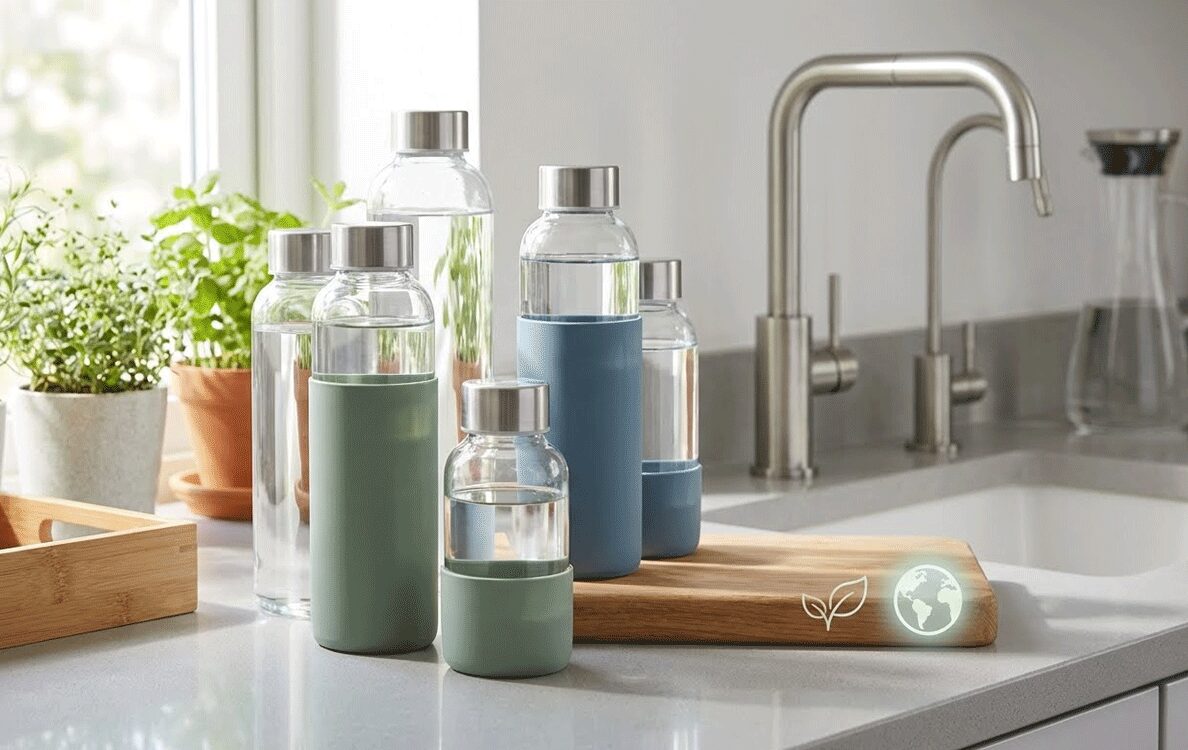
Keep a Reusable Water Bottle Handy
One of the most effective ways to reduce bottled water usage is by keeping a reusable water bottle with you at all times. This simple habit can significantly cut down on the number of plastic bottles you use. When choosing a reusable bottle, consider one that is durable, BPA-free, and easy to clean.
As Dr. Jane Smith, an environmental scientist, notes, “Carrying a reusable water bottle is a small action that can lead to significant reductions in plastic waste over time.”
Educate Family and Friends on Bottled Water Impact
Another crucial step in reducing bottled water usage is educating those around us about its environmental impact. By sharing information about the benefits of using eco-friendly water filters and the drawbacks of bottled water, we can encourage others to make similar changes.
“The biggest threat to our planet is the belief that someone else will save it.” –
By working together and making conscious choices, such as using eco-friendly water filters and eliminating plastic water bottles, we can create a more sustainable future. Start by making these simple steps a part of your daily routine and encourage others to do the same.
Eco-Friendly Practices to Pair with Filtration
Embracing a holistic approach to sustainability involves combining water filtration with other eco-conscious habits. By doing so, individuals can significantly reduce their environmental footprint and contribute to a healthier planet.

Composting and Recycling Plastic Waste
One effective way to complement your water filtration system is by adopting composting and recycling practices. Composting organic waste reduces landfill waste and creates nutrient-rich soil for gardening. Similarly, recycling plastic waste, including plastic bottles used for water, helps minimize the amount of plastic that ends up in oceans and landfills.
Tips for Effective Composting:
- Start with a dedicated compost bin or pile.
- Add a mix of ‘green’ (food scraps, grass clippings) and ‘brown’ (dried leaves, straw) materials.
- Maintain moisture and regularly turn the compost pile.
Encouraging Local Water Conservation Initiatives
Supporting local water conservation initiatives is another crucial aspect of an eco-friendly approach to water usage. This can involve participating in community programs aimed at protecting local water sources, advocating for water conservation policies, or simply educating friends and family about the importance of water conservation.
Examples of Local Initiatives:
- Joining local clean-up events for rivers and lakes.
- Supporting organizations that work on water conservation projects.
- Promoting water-saving practices through social media and community events.
By integrating these practices into your daily life, you can enhance the benefits of your water filtration system and contribute to a more sustainable future.
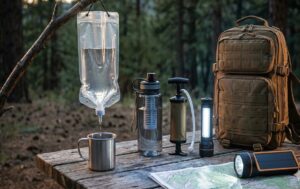
DIY Water Filtration Solutions
Sustainable living is made easier with DIY water filtration methods that reduce reliance on single-use water containers. By creating your own water filtration system, you not only contribute to a significant reduction in plastic waste but also gain control over the quality of the water you drink.
Natural Filtration Methods for Home Use
There are several natural filtration methods you can employ at home. One effective method is using a combination of sand, gravel, and charcoal to create a multi-stage filtration system. This method can be adapted to various setups, from simple pitcher filters to more complex under-sink installations.
Another approach is utilizing plants like water hyacinth or cattail for natural filtration. These plants can absorb impurities and heavy metals, making the water safer for consumption.
Creative Ways to Reuse Filtered Water
Once you have filtered water, there are numerous creative ways to reuse it, further enhancing the sustainability of your water filtration system. For instance, you can use filtered water for irrigating your garden or indoor plants, reducing the demand on potable water supplies.
Additionally, filtered water can be reused for cleaning purposes or even for flushing toilets, provided it’s properly treated to prevent any health risks.
By adopting these DIY water filtration solutions and reusing filtered water, households can significantly lower their environmental footprint while ensuring access to clean drinking water.
How to Advocate for Clean Water Access
Clean water is a fundamental right, and advocating for it is essential for our planet’s well-being. Ensuring that everyone has access to clean drinking water involves not just personal practices but also community and legislative actions.
One effective way to advocate for clean water access is by joining local environmental groups. These organizations often work tirelessly to protect water sources, promote sustainable practices, and educate the public about water conservation.
Join Local Environmental Groups
By becoming a member of local environmental groups, you can contribute to their efforts through volunteering, donating, or spreading awareness about their initiatives. Some notable organizations focus on water conservation and advocacy, such as the Waterkeeper Alliance and Surfrider Foundation. These groups work on various projects, from cleaning up local water bodies to advocating for policy changes that protect water resources.
Support Legislation for Clean Water Initiatives
Another crucial step is supporting legislation that promotes clean water initiatives. This can involve contacting your local representatives, signing petitions, and participating in public hearings. By making your voice heard, you can influence policy decisions that impact water quality and access.
To effectively support clean water legislation, it’s essential to stay informed about current policies and proposed changes. You can do this by following reputable news sources and environmental organizations that track water-related legislation.
| Legislation | Description | Impact |
|---|---|---|
| Clean Water Act | A federal law that regulates discharges of pollutants into waters | Protects water quality and ecosystems |
| Safe Drinking Water Act | Ensures the quality of drinking water | Safeguards public health by setting standards |
| Water Infrastructure Improvement Act | Provides funding for water infrastructure projects | Enhances water supply and treatment systems |
By taking these steps and staying engaged, you can contribute to a broader movement towards achieving clean water access for all. Every action counts, from personal choices to community involvement and legislative support.
The Future of Water Filtration and Sustainability
The future of water filtration is closely tied to innovations in technology and sustainable practices. As the world grapples with the challenges of environmental sustainability, water filtration systems are evolving to play a crucial role in reducing waste and promoting eco-friendly living.
Innovations in Filtration Technology
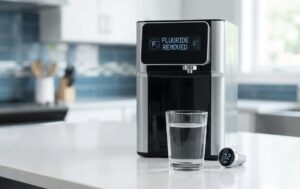
Recent advancements in filtration technology have led to the development of more efficient and effective zero waste water filter systems. These systems are designed to minimize environmental impact while providing clean drinking water. One of the key innovations is the use of advanced materials that can filter out contaminants at the molecular level, resulting in high-quality drinking water without the need for plastic bottles.
Another significant trend is the integration of smart technology into water filtration systems. This allows for real-time monitoring of water quality and filter performance, enabling homeowners to maintain their systems more effectively and reduce waste.
Trends in Sustainable Living Practices
Sustainable living practices are increasingly influencing the design and implementation of water filtration systems. There is a growing emphasis on using eco-friendly water filters that are made from sustainable materials and are designed to be recyclable or reusable. This shift is not only reducing the environmental footprint of water filtration but also promoting a culture of sustainability among consumers.
Furthermore, the trend towards sustainable water filtration solutions is driving innovation in the industry. Companies are now focusing on developing systems that not only filter water effectively but also contribute to the overall sustainability of the household. This includes systems that can reuse or recycle filtered water, minimizing waste and reducing the demand on municipal water supplies.
As we move forward, it’s clear that the future of water filtration is closely linked to the broader goals of environmental sustainability. By embracing innovations in filtration technology and trends in sustainable living, we can create a more sustainable future for generations to come.
Conclusion: Making the Switch to Zero Waste Water Solutions
As we’ve explored throughout this article, switching to a zero waste water filter system is a significant step towards reducing our environmental footprint. By adopting eco-conscious hydration solutions, we can significantly reduce bottled water usage and eliminate plastic water bottles from our daily lives.
Embracing Tap Water
Loving your tap water is not just about taste; it’s about making a conscious choice to reduce plastic waste. With a reliable home water filtration system, you can enjoy clean, fresh-tasting water without contributing to the plastic waste crisis.
Taking Action Against Plastic Waste
Every small action counts, and reducing our reliance on bottled water is a crucial step towards a more sustainable future. By choosing a zero waste water filter, you’re not only improving your health but also contributing to a cleaner environment. Let’s work together to make a difference, one tap at a time, by embracing eco-conscious hydration solutions.