
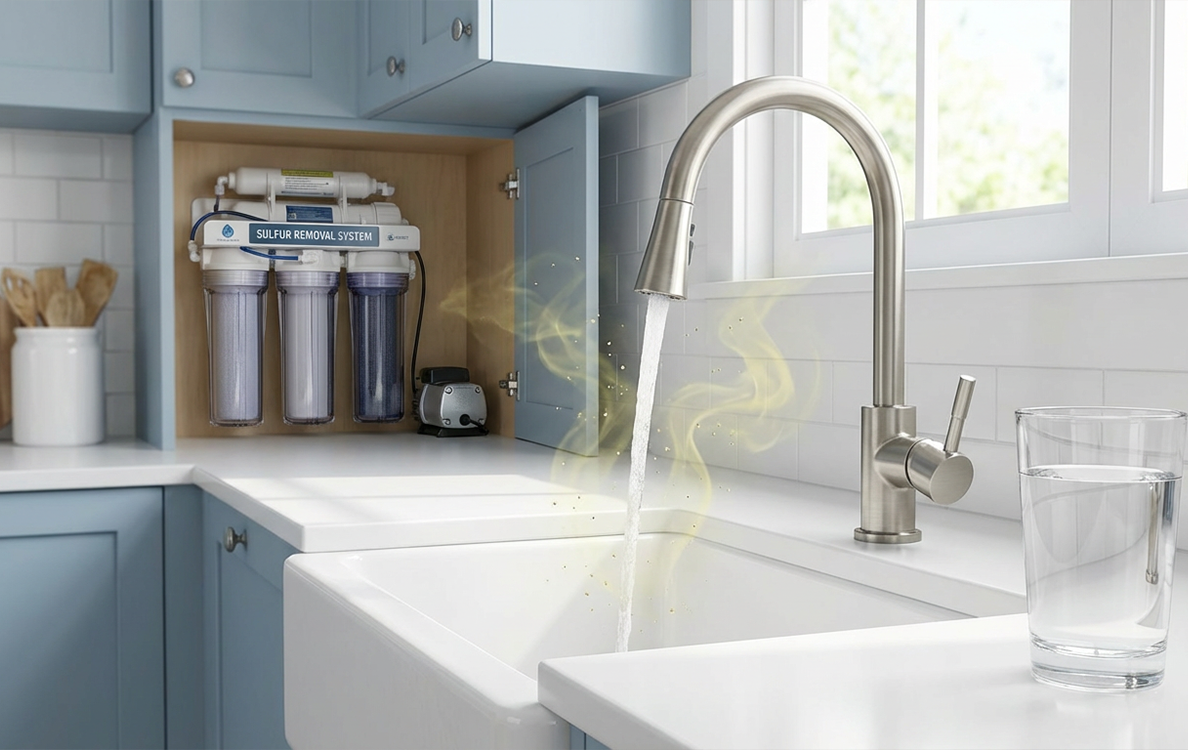
Sulfur Water Smell: Remove Hydrogen Sulfide with These Fixes
To effectively remove the sulfur smell from your water, consider implementing a hydrogen sulfide treatment system. A sulfur aerator can significantly improve water quality by eliminating the unpleasant odor. For those interested in a more hands-on approach, DIY removal methods are available, though professional assistance may offer more reliable results. Utilizing a rotten egg filter can also enhance the overall taste and safety of your drinking water. Are you fed up with the rotten egg smell from your tap water? Hydrogen sulfide is not just a bother. It also makes you worry about your water’s quality.

The sulfur smell in water usually comes from bacteria in wells or pipes. Even though the EPA says low levels are safe, the smell can still bother you. Luckily, there are good fixes like aeration, ozone, and chlorination treatments.
To get rid of the how to remove sulfur smell problem, knowing the causes is key. There are many sulfur water treatment options out there. For custom solutions and to learn about our H2S filters, reach out to us at info@pureh2ohome.com.
Key Takeaways
- Hydrogen sulfide causes the rotten egg smell in tap water.
- Bacteria in wells or pipes are common sources of the sulfur smell.
- Aeration, ozone, and chlorination are effective treatments.
- Low levels of hydrogen sulfide are considered safe by the EPA.
- Contact info@pureh2ohome.com for personalized H2S filter solutions.
What Causes the Sulfur Smell in Water
It’s important to know why water smells like sulfur. This smell often comes from hydrogen sulfide contamination. Hydrogen sulfide makes water smell like rotten eggs.

Hydrogen sulfide forms from both natural and human activities. To understand sulfur smell in water, we need to look at the science behind it.
The Science Behind Hydrogen Sulfide Formation
Hydrogen sulfide comes from bacteria breaking down organic matter without oxygen. This happens in places like deep wells and water heaters. It’s called sulfate reduction.
Sulfate-reducing bacteria use water sulfates to make hydrogen sulfide gas. This gas mixes with water, causing the sulfur smell.
Natural vs. Man-made Sources of Sulfur in Water
Sulfur in water comes from nature and human actions. Natural sources include soil and rock decay. This releases sulfates into groundwater.
Man-made sources include pollution from industries and farms. Well water is often affected by nearby farms or natural deposits.
Knowing if the smell is natural or man-made helps find the right fix.
How to Identify Hydrogen Sulfide in Your Water Supply
Hydrogen sulfide in water can be detected by a strong smell and confirmed with tests. It smells like rotten eggs, which is a common sign of its presence.
Recognizing the Distinctive Rotten Egg Odor
The smell of hydrogen sulfide is very recognizable and unpleasant. It smells like rotten eggs. You might notice this smell when you turn on the faucet or after using the washing machine or dishwasher. If you smell this, it’s important to find out why and what risks it might pose.
While the smell of rotten eggs is a strong sign of hydrogen sulfide, it’s not the only reason for it. Bacterial growth in your plumbing can also cause similar smells. But hydrogen sulfide is a common problem, especially in well water or areas with lots of sulfur in the soil.

Professional Water Testing Methods
The smell can be a good clue, but the only sure way to know is through professional water testing. Labs use different methods to find and measure hydrogen sulfide in water.
According to EPA guidelines, low levels of hydrogen sulfide are usually safe to drink. But even if it’s safe, the smell can still bother you.
| Testing Method | Description | Typical Cost Range |
|---|---|---|
| Methylene Blue Method | A chemical test that reacts with sulfide to form a blue compound, measurable with a spectrophotometer. | $50-$100 |
| Lead Acetate Test | A simple field test that uses lead acetate paper to detect the presence of hydrogen sulfide. | $20-$50 |
| Ion Selective Electrode | An electrochemical method that measures the sulfide ion concentration directly. | $100-$250 |
Professional water testing not only finds hydrogen sulfide but also suggests the best treatment. Whether it’s through aeration systems, chemical treatments, or advanced filtration methods, knowing the hydrogen sulfide level is crucial to remove the sulfur smell from your water.
Health Implications of Sulfur in Drinking Water
Sulfur in drinking water is not just a nuisance due to its smell; it also poses health risks. The smell of hydrogen sulfide is like rotten eggs. But the health effects depend on how much is present.
EPA Guidelines and Safety Standards
The Environmental Protection Agency (EPA) sets guidelines for contaminants in drinking water, including sulfur compounds. The EPA says there’s no Maximum Contaminant Level (MCL) for hydrogen sulfide. This is because it’s considered a secondary contaminant.
Secondary contaminants are those that cause aesthetic issues, such as taste, odor, or color. They are not directly harmful to health.
Key EPA Guidelines:
- No MCL established for hydrogen sulfide
- Considered a secondary contaminant
- Aesthetic issues (taste, odor) are primary concerns
Potential Health Effects at Different Concentration Levels
Low levels of hydrogen sulfide may not cause significant health issues. But higher concentrations can lead to various health problems. These can range from mild irritation to more severe conditions.
Health Effects at Different Concentrations:
- Low Concentrations (<1 mg/L): Typically considered safe; may cause noticeable odor
- Moderate Concentrations (1-10 mg/L): May cause eye and throat irritation; some gastrointestinal issues
- High Concentrations (>10 mg/L): Can lead to nausea, vomiting, and diarrhea; potentially serious respiratory issues

It’s crucial for households, especially those relying on well water, to be aware of these potential health risks. They should consider treatment options for sulfur water. Regular testing and appropriate treatment can mitigate the health implications associated with sulfur in drinking water.
Common Sources of Sulfur Smell in Water
Knowing why water smells like sulfur is key to fixing it. Hydrogen sulfide gas is often the culprit behind the rotten egg smell. Several things can cause this problem, making water less safe and less pleasant.
Bacterial Growth in Plumbing Systems
Bacteria love to grow in plumbing, especially where water sits still or oxygen is scarce. Sulfate-reducing bacteria make hydrogen sulfide as they break down food. These bacteria can settle in pipes and water heaters, causing sulfur smells.
To stop bacteria, keep your plumbing clean and well-maintained. Flushing and cleaning regularly can cut down on bacteria and sulfur smells.
Well Water Contamination Issues
Well water can also smell like sulfur. Wells can get contaminated by surface water, farm runoff, or industrial activities. These can bring sulfur compounds into the water.
Regular water testing is vital to find and fix contamination. Well owners should test their water for bacteria, nitrates, and other pollutants often.
Water Heater-Related Sulfur Problems
Water heaters can also cause sulfur smells. The anode rod, usually made of magnesium, can react with sulfate-rich water. This encourages sulfate-reducing bacteria to grow.
Switching to an aluminum or zinc anode rod can help. Also, keep your water heater clean by flushing and checking it regularly. This stops bacteria and sediment buildup.
By knowing where sulfur smells come from, homeowners can take action. Whether it’s plumbing upkeep, well water testing, or water heater care, finding the source is crucial for fixing the problem.
DIY Solutions to Remove Sulfur Smell from Water
DIY fans can fix sulfur water problems at home. You can get rid of sulfur smell by keeping up with maintenance, cleaning, and treatments.
Flushing and Cleaning Your Water System
Flushing and cleaning your water system is a great DIY fix. It means running water through all taps and appliances. This gets rid of old water that might have sulfur in it. Doing this often stops sulfur buildup.
Steps to Flush Your Water System:
- Turn off the main water supply.
- Open all faucets, starting from the lowest point in your plumbing system.
- Let the water run until it’s clear.
- Check your water heater and drain it if necessary.
Water Heater Maintenance Techniques
Your water heater can cause sulfur smell if not looked after. Keeping it in good shape helps avoid this problem.
Tips for Water Heater Maintenance:
- Check the anode rod annually and replace it if necessary.
- Drain the water heater every 6 months to remove sediment.
- Consider installing a water heater designed to reduce sulfur bacteria.
Temporary Remedies for Immediate Relief
While you work on long-term fixes, there are quick ways to get rid of sulfur smell.
Temporary Solutions:
- Boiling water can kill bacteria that cause sulfur smell.
- Using a water filter that is certified to remove hydrogen sulfide can provide immediate relief.
- Chlorinating your water system can temporarily eliminate sulfur bacteria.
By using these DIY methods, homeowners can cut down or get rid of sulfur smell in their water. Keeping up with maintenance and using the right treatments means you can enjoy fresh, smell-free water.
Aeration Treatment Systems for Hydrogen Sulfide Removal
Aeration treatment systems are a great way to get rid of hydrogen sulfide in water. They add oxygen to the water. This oxygen reacts with hydrogen sulfide, turning it into harmless elements. This process removes the sulfur smell from the water.
How Aeration Eliminates Sulfur Compounds
Aeration involves adding air or oxygen to the water. This causes a chemical reaction. The reaction changes hydrogen sulfide into a form that can be easily removed.
Experts say, “Aeration is a simple yet effective method for removing hydrogen sulfide from water. It’s a popular choice for homeowners with sulfur-smelling water.”
This method is not only effective but also environmentally friendly. It doesn’t use chemicals.
Types of Home Aeration Systems
There are several types of aeration systems for homes. These include:
- Catalytic carbon aeration systems
- Oxidation/aeration systems
- Venturi aeration systems
Each type has its own benefits. They are suited to different needs and water conditions.
| Type of Aeration System | Description | Effectiveness |
|---|---|---|
| Catalytic Carbon Aeration | Uses catalytic carbon to enhance oxidation | High |
| Oxidation/Aeration | Injects air or oxygen into the water | Very High |
| Venturi Aeration | Utilizes a Venturi valve to introduce air | High |
Installation Requirements and Maintenance Tips
Getting an aeration system installed right is key. It’s best to talk to a water treatment expert. They can help choose the right system for you.
Regular checks are important for maintenance. This ensures the system works well and there are no blockages.
Understanding aeration systems helps homeowners make better choices for their water treatment needs.
Chemical Treatment Options for Sulfur Water
Chemical treatments are a strong way to get rid of sulfur in water. They work well for homes with bad sulfur smells.
Chlorination Methods and Effectiveness
Chlorination is a common way to treat sulfur water. It adds chlorine to the water to change hydrogen sulfide into sulfate. Sulfate is safe and doesn’t smell.
How well chlorination works depends on a few things. These include how much chlorine is used and how long it stays in the water with sulfur.
“Chlorination, when properly managed, can significantly reduce sulfur odors in water supplies.”
Hydrogen Peroxide Treatment Systems
Hydrogen peroxide is also used to treat sulfur water. It changes hydrogen sulfide into sulfate and water. This method is good for the environment because it doesn’t add harmful stuff to the water.
Hydrogen peroxide treatment works well. It might be less harsh than chlorination, depending on how it’s set up.
Potassium Permanganate Solutions
Potassium permanganate is a strong chemical that removes hydrogen sulfide from water. It turns hydrogen sulfide into sulfur particles that can be filtered out.
This method needs to be handled with care. Potassium permanganate can be dangerous if not used right.
| Chemical Treatment | Effectiveness | Safety Considerations |
|---|---|---|
| Chlorination | High | Requires proper dosage to avoid harmful by-products |
| Hydrogen Peroxide | High | Generally safe, environmentally friendly |
| Potassium Permanganate | High | Requires careful handling due to potential hazards |
Advanced Filtration Systems for Eliminating Sulfur Smell in Water
Advanced filtration systems are a strong solution for homes with sulfur-smelling water. They remove hydrogen sulfide and other sulfur compounds. This makes the water smell-free and safe to drink.
Activated Carbon Filtration Technology
Activated carbon filtration is a common method for getting rid of sulfur smells. It adsorbs hydrogen sulfide onto the activated carbon surface. High-quality activated carbon filters can cut down sulfur compounds a lot. This improves the water’s taste and smell.
Oxidizing Filters for Hydrogen Sulfide
Oxidizing filters are also good at removing sulfur smells. They oxidize hydrogen sulfide into a form that’s easy to filter out. Manganese-based filters are a good example, using manganese dioxide for this process.
Reverse Osmosis Systems
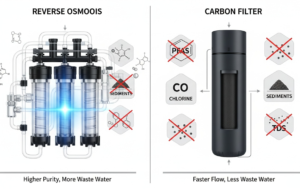
Reverse osmosis (RO) systems are great at removing many contaminants, including sulfur compounds. They force water through a semi-permeable membrane, removing up to 99% of impurities. This results in clean, odor-free water. RO systems might be pricier and waste water, but they’re a good choice for severe sulfur contamination.
Specialized H2S Removal Filters
For specific needs, specialized H2S removal filters are a good option. These filters target hydrogen sulfide and other sulfur gases. They often use a mix of technologies like activated carbon and oxidation. These filters work well in areas with constant sulfur contamination.
In summary, advanced filtration systems offer many choices for homes with sulfur-smelling water. From activated carbon to reverse osmosis, each method has its benefits. You can pick the right one based on your specific needs and the level of sulfur contamination.
Ozone Treatment for Persistent Sulfur Odors
Homeowners with sulfur smells in their water can find relief with ozone treatment. This technology is known for removing sulfur odors, making water fresh and clean.
Ozone’s Role in Neutralizing Hydrogen Sulfide
Ozone treatment adds ozone (O3) to the water system. Ozone is a strong oxidant that breaks down hydrogen sulfide (H2S) into safe parts. This action removes the sulfur smell, leaving water odor-free.
The oxidation process involves several key steps:
- Ozone is made on-site with an ozone generator.
- The ozone is then added to the water supply.
- Ozone reacts with H2S, turning it into sulfate, which is safe and smell-free.
- The treated water is now safe to drink and use, without the sulfur smell.
Residential Ozone Systems: Costs and Installation Considerations
Thinking about ozone treatment for your home’s water? It’s important to know the costs and what’s needed for installation. The cost of an ozone system varies by size, installation complexity, and water treatment needs.
Key factors influencing the cost include:
- The capacity of the ozone generator.
- The complexity of the installation, including any necessary plumbing changes.
- Maintenance needs and the cost of parts over time.
While ozone systems might cost more upfront, their effectiveness and long-term benefits are worth it. Homeowners should talk to water treatment experts to find the right system for their needs and get accurate price quotes.
Cost Comparison of Sulfur Treatment Methods
When dealing with sulfur water smell, knowing the costs of different treatments is key. Homeowners must think about the initial cost and ongoing expenses of various sulfur treatment methods.
Initial Investment vs. Long-term Maintenance Costs
The price of sulfur treatment systems varies a lot. It depends on the technology and how hard it is to install. For example, aeration systems and advanced filters cost more upfront but might save money in the long run.
- Aeration Systems: These systems can cost between $500 and $2,000 or more, based on size and type.
- Activated Carbon Filtration: Costs start at $200 and can go up to $1,000.
- Ozone Treatment: This is pricier, with costs from $1,000 to $3,000 or more.
Long-term costs differ too. Aeration systems might need less upkeep than activated carbon filters, which need to be replaced often.
DIY vs. Professional Installation Considerations
Choosing between DIY or a professional installer affects the total cost. DIY might seem cheaper at first, but it can cost more if done wrong.
Pros of Professional Installation:
- They know the best system for your needs.
- They install it right to avoid problems later.
- They offer warranty and maintenance help.
But, professional installation can cost $100 to $500 or more, depending on the job’s complexity.
In the end, whether to DIY or hire a pro depends on your comfort with the tech and the system’s needs.
Conclusion: Maintaining Fresh, Odor-Free Water in Your Home
Keeping your home’s water fresh and odor-free is key for a healthy living space. Hydrogen sulfide in water can make it smell like rotten eggs. This can really affect the quality of your water.
Learning about sulfur smell in water and using the right treatments can solve this problem. You can choose from DIY methods or advanced filtration systems. These options help remove hydrogen sulfide and keep your water clean.
If you want a lasting solution, talk to experts in H2S filters. You can reach out to info@pureh2ohome.com for help choosing and installing the best systems for your home.
By focusing on clean water, you can make your home a healthier and more enjoyable place. Don’t ignore your water quality. Clean, fresh water can really make a difference.



Heya i’m for the first time here. I came across this board and I find It truly useful & it helped me out much. I hope to give something back and aid others like you aided me.
Welcome! I’m really glad you found the content useful and that it helped you. We appreciate your willingness to contribute and help others as well.