
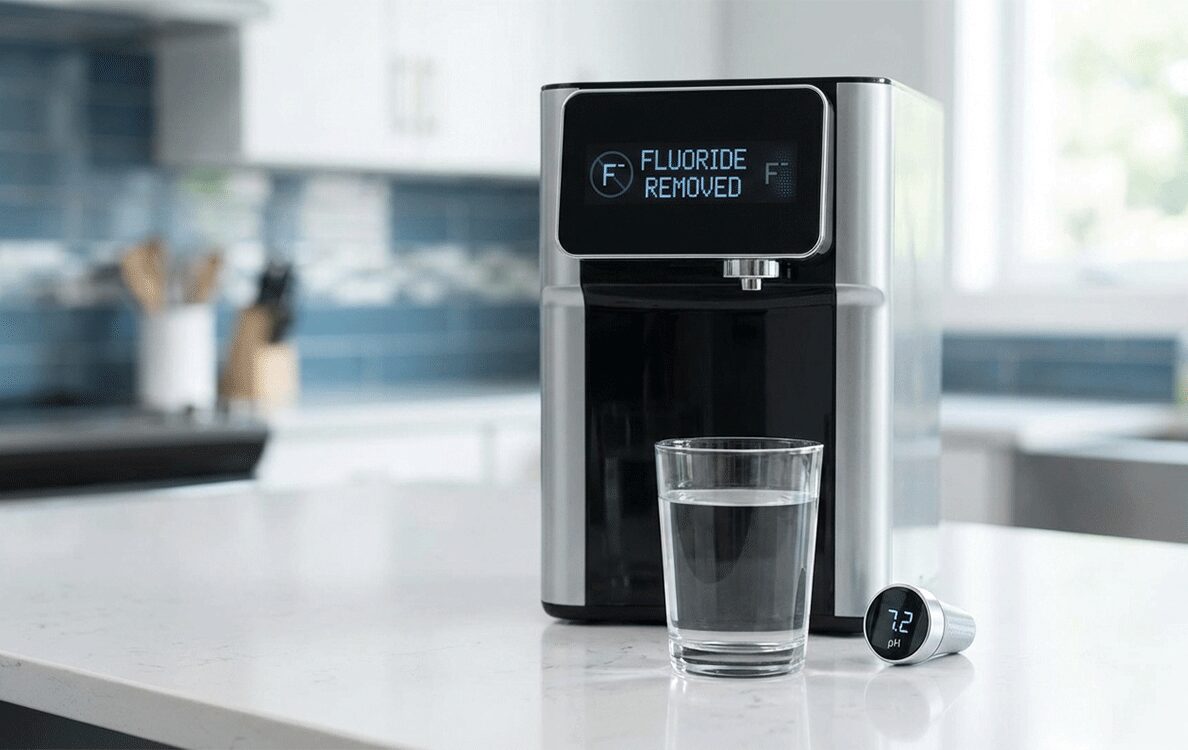
Fluoride Removal Filters: Do You Really Need One in 2026?
As we approach 2025, concerns about the quality of our drinking water continue to grow. One issue that has sparked intense debate is the presence of fluoride in our water supply. While fluoride is often added to water to promote oral health, excessive consumption can have negative effects on our overall well-being.

The need for effective fluoride removal systems is becoming increasingly important. With various methods available, it’s essential to understand the best approaches to remove fluoride from water safely and efficiently.
Key Takeaways
- Understanding the risks associated with excessive fluoride consumption
- Exploring effective fluoride removal methods for drinking water
- Evaluating the best fluoride removal systems for home use
- Considering the importance of fluoride removal filters in 2025
- Learning how to choose the right fluoride removal system for your needs
What is Fluoride and Why is it Added to Water?
The use of fluoride in water supplies is a well-established practice that has garnered significant attention for its potential health implications. Fluoride is a naturally occurring compound that is added to water systems to promote oral health.
History of Fluoride in Water
The history of fluoride in water dates back to the early 20th century when it was first observed that communities with naturally fluoridated water had fewer instances of tooth decay. This led to the introduction of community water fluoridation as a public health measure. By the mid-20th century, water fluoridation had become a standard practice in many parts of the world, including the United States.
The benefits of water fluoridation have been extensively documented. According to the Centers for Disease Control and Prevention (CDC), community water fluoridation is considered one of the most effective ways to prevent tooth decay and promote oral health.
Benefits of Water Fluoridation
Water fluoridation has been shown to have numerous benefits, particularly in the prevention of dental caries among children and adults. Effective fluoride water filters can also play a crucial role in maintaining oral health, especially for those who consume fluoridated water.
- Reduces tooth decay and cavities
- Promotes overall oral health
- Is a cost-effective public health measure
Despite its benefits, the practice of adding fluoride to water has not been without controversy. Some communities have raised concerns about the potential health risks associated with fluoride consumption.
Common Myths About Fluoride
There are several myths surrounding fluoride and its effects on health. One common misconception is that fluoride is harmful to overall health. However, numerous studies have shown that at the levels used in community water fluoridation, fluoride is safe and effective.
For those concerned about fluoride intake, water filtration for fluoride removal is a viable option. Various fluoride filter pitcher options are available, making it easier for consumers to choose a product that meets their needs.
In conclusion, understanding fluoride and its role in water supplies is crucial for making informed decisions about oral health and water consumption. Whether through community water fluoridation or the use of effective fluoride water filters, maintaining optimal fluoride levels is key to promoting dental health.
The Case for Removing Fluoride from Water
Fluoride, once hailed as a dental health miracle, is now at the center of a heated debate about its safety in drinking water. As concerns about fluoride’s impact on health grow, many are considering fluoride removal filters for their drinking water.
Health Concerns Associated with Fluoride
Research has highlighted several potential health concerns associated with fluoride consumption. Excessive fluoride intake has been linked to conditions such as fluorosis, which affects the teeth and bones. Moreover, some studies suggest a possible connection between high fluoride levels and thyroid dysfunction.
“The evidence is clear: excessive fluoride exposure can lead to serious health issues,” says a leading health expert. “It’s crucial for consumers to be aware of the fluoride levels in their drinking water and consider removal methods if necessary.”
Fluoride and Children: What Parents Should Know
Children are particularly vulnerable to the effects of fluoride due to their developing teeth and bones. Parents are increasingly concerned about the potential risks of excessive fluoride consumption in children, including dental fluorosis and other developmental issues.
- Monitor fluoride levels in drinking water
- Use fluoride removal filters if necessary
- Supervise children’s toothpaste usage
Potential Environmental Impacts
The environmental impact of fluoride in water is another growing concern. Fluoride can accumulate in the environment, affecting wildlife and ecosystems. Effective fluoride removal methods can help mitigate these environmental concerns.
By understanding the potential health and environmental impacts of fluoride, individuals can make informed decisions about their drinking water. Whether through fluoride removal filters or other methods, reducing fluoride in drinking water is becoming an increasingly important consideration for many households.
Understanding Fluoride Filter Options
With the growing concern over fluoride in drinking water, selecting the right fluoride filter has become a crucial decision for many households. As consumers become more aware of the potential health impacts of fluoride, the demand for effective fluoride removal systems has increased.
Different Types of Water Filters Available
There are several types of water filters available that can remove fluoride from drinking water. These include activated alumina filters, reverse osmosis systems, and distillation units. Each type has its unique mechanism of removing fluoride and other contaminants.
Activated alumina filters, for instance, are known for their high efficiency in fluoride removal. They work by attracting fluoride ions to the surface of the alumina, thus purifying the water.
How to Choose the Right Fluoride Filter
Choosing the right fluoride filter depends on several factors, including the level of fluoride in your water, your budget, and maintenance preferences. It’s essential to check the filter’s certification and its effectiveness in removing fluoride.
Consumers should also consider the cost of fluoride filters and their maintenance requirements. Some filters may be more affordable upfront but could have higher ongoing costs.
Factors to Consider: Cost, Maintenance, and Convenience
When evaluating fluoride filter options, it’s crucial to consider the overall cost, including both the initial purchase and ongoing maintenance expenses. Additionally, the convenience of use and replacement of filter cartridges can significantly impact the user experience.
- Initial cost of the filter
- Ongoing maintenance and replacement costs
- Ease of installation and use
- Effectiveness in fluoride removal
By carefully evaluating these factors, consumers can make an informed decision that meets their needs and budget.
Fluoride Filter Pitcher Options to Consider
Choosing the right fluoride filter pitcher can be daunting, but understanding the top brands and their performance can simplify the process. With numerous options available, it’s essential to evaluate the effectiveness, cost, and user satisfaction of these pitchers.

Top Brands for Fluoride Filter Pitchers
Several brands stand out in the market for their quality and fluoride removal capabilities. Some of the top brands include:
- Pur: Known for their wide availability and affordability.
- Brita: Offers a range of models with advanced filtration technology.
- ZeroWater: Recognized for its high-efficiency fluoride removal.
These brands have garnered significant attention for their performance and user trust.
Performance Comparison: Reviews and Ratings
When comparing fluoride filter pitchers, it’s crucial to look at reviews and ratings from various sources. According to a recent study,
“ZeroWater filters have been shown to remove up to 99% of fluoride from water, making them a top choice for those concerned about fluoride intake.”
A comparison of the top brands based on user reviews reveals:
| Brand | Average Rating | Fluoride Removal Efficiency |
|---|---|---|
| Pur | 4.2/5 | 50-70% |
| Brita | 4.5/5 | 60-80% |
| ZeroWater | 4.8/5 | 99% |
Price Point Overview of Popular Models
The cost of fluoride filter pitchers varies significantly based on brand, model, and replacement filter costs. Here’s a brief overview:
- Pur Pitchers: Generally priced between $15-$30, with replacement filters costing around $5-$10.
- Brita Pitchers: Range from $20-$40, with replacement filters typically costing $6-$12.
- ZeroWater Pitchers: Tend to be more expensive, priced around $40-$60, with replacement filters costing $20-$30.
When considering a fluoride filter pitcher, it’s essential to factor in both the initial cost and the ongoing expense of replacement filters.
Charcoal Filters: Do They Remove Fluoride?
With the increasing concern over fluoride in drinking water, the effectiveness of charcoal filters in removing it has become a topic of interest. Charcoal filters, particularly those using activated charcoal, are popular for their ability to purify water by removing various contaminants.
How Charcoal Filters Work
Charcoal filters operate on the principle of adsorption, where contaminants in the water are attracted to and held by the activated charcoal. This process is different from absorption, where the substance is absorbed into the material. Activated charcoal is made by treating charcoal with oxygen, which opens up its pores, significantly increasing its surface area and adsorption capacity.
The effectiveness of a charcoal filter in removing contaminants depends on several factors, including the type of charcoal used, the filter’s design, and its maintenance. Regular replacement of the charcoal filter is crucial to maintain its effectiveness.
Effectiveness of Charcoal for Fluoride Reduction
The ability of charcoal filters to remove fluoride is a subject of debate. While some studies suggest that certain types of activated charcoal can reduce fluoride levels in water, others indicate that standard charcoal filters may not be effective for fluoride removal.
Research on fluoride removal using activated charcoal has shown varying results. Some activated charcoal products are specifically designed to remove fluoride, and these may be more effective. However, the average consumer should be aware that not all charcoal filters are created equal, and the label should be checked for fluoride removal claims.
Pros and Cons of Using Charcoal Filters
Charcoal filters have several advantages, including their relatively low cost, ease of use, and the ability to remove a wide range of contaminants, improving the taste and odor of water. However, their effectiveness against fluoride is not guaranteed unless specifically designed for that purpose.
- Pros:Low initial cost
- Easy to install and replace
- Effective against many contaminants
- Improves water taste and odor
- Cons:May not remove fluoride unless specified
- Requires regular maintenance
- Some contaminants may not be removed
In conclusion, while charcoal filters are a valuable tool for water purification, their effectiveness in removing fluoride depends on the type of filter and its specifications. Consumers concerned about fluoride should look for filters that are explicitly designed to remove fluoride.
Comparing Fluoride Filters with Other Water Purification Methods
When it comes to removing fluoride from drinking water, various purification methods are available, each with its own strengths and weaknesses. Understanding these differences is crucial for making an informed decision about the best water purification system for your needs.
Reverse Osmosis vs. Fluoride Filters
Reverse osmosis (RO) is a popular water purification method known for its effectiveness in removing a wide range of contaminants, including fluoride. Unlike standard fluoride filters, RO systems use a semi-permeable membrane to remove impurities from water. This process involves forcing the water through the membrane, which filters out contaminants, resulting in purified water.
One of the key advantages of RO systems is their ability to remove up to 90% of fluoride from water, making them a viable option for those concerned about fluoride intake. However, RO systems also remove other minerals and ions from the water, which can result in water that is very pure but potentially lacking in beneficial minerals.
Key Considerations:
- Effectiveness in fluoride removal
- Removal of other minerals and ions
- Maintenance and replacement costs
Distillation and Its Efficacy Against Fluoride
Distillation is another water purification method that involves boiling the water and then collecting the condensed steam, which is free from many contaminants. This process is effective in removing fluoride, as fluoride is not volatile and remains in the boiling water.
Distillation systems can be highly effective, removing up to 99% of fluoride from water. However, like RO systems, distillation also removes beneficial minerals from the water, potentially resulting in very pure but mineral-deficient water.
“Distillation is one of the most effective methods for removing fluoride from water, but it requires careful consideration of the overall mineral content of the purified water.”
UV Purification: Is Fluoride Affected?
UV purification uses ultraviolet light to kill bacteria and other microorganisms in water. However, UV light does not remove fluoride or other chemical contaminants from water; it is primarily used for disinfection purposes.
For those concerned about fluoride, UV purification alone is not sufficient. It may be used in conjunction with other purification methods, such as fluoride filters or RO systems, to provide comprehensive water treatment.
Key Points:
- UV purification is effective against microorganisms.
- It does not remove chemical contaminants like fluoride.
- It can be used in combination with other purification methods.
DIY Methods to Remove Fluoride from Water
While commercial fluoride filters are effective, some individuals prefer DIY approaches to remove fluoride from their drinking water. These homemade methods can be appealing due to their potential cost-effectiveness and the ability to customize them according to specific needs.
Homemade Fluoride Removal Techniques
Several DIY techniques have been explored for removing fluoride from water. One common method involves using activated alumina, a medium known for its fluoride-removing capabilities. To implement this method, one must:
- Acquire activated alumina
- Prepare a column or filter bed with the activated alumina
- Pass the water through the filter bed
Another technique is using reverse osmosis (RO) systems at home. While more complex and potentially more expensive than activated alumina, RO systems can be effective in removing a wide range of contaminants, including fluoride.
| DIY Method | Effectiveness in Fluoride Removal | Cost |
|---|---|---|
| Activated Alumina | High | Moderate |
| Reverse Osmosis | Very High | High |
| Boiling Water | Low | Low |
Risks and Limitations of DIY Solutions
While DIY fluoride removal methods can be effective, they also come with risks and limitations. For instance, improper setup or maintenance of DIY filters can lead to inadequate fluoride removal or even contamination of the water with other substances.
Risks include:
- Inadequate removal of fluoride due to incorrect filter setup or exhaustion of the filtering medium
- Contamination of water due to poor maintenance or use of inappropriate materials
It’s crucial for individuals considering DIY fluoride removal methods to thoroughly research and understand the potential risks and limitations. Ensuring proper setup, maintenance, and monitoring of these systems is key to their effectiveness and safety.
In conclusion, while DIY methods to remove fluoride from water can be viable options, they require careful consideration of their effectiveness, cost, and potential risks. By understanding these factors, individuals can make informed decisions about their drinking water quality.
The Science Behind Fluoride Removal
Understanding the science behind fluoride removal is crucial for making informed decisions about your drinking water. Fluoride filters are designed to remove fluoride ions from water, but their effectiveness varies based on the technology used.
How Effective Are Fluoride Filters?
Fluoride filters use various methods to remove fluoride, including activated alumina, reverse osmosis, and ion exchange systems. Activated alumina is a common method, known for its high fluoride removal capacity. However, its effectiveness can be influenced by factors such as water pH and the presence of other ions.
The efficacy of fluoride filters is typically measured by their ability to reduce fluoride concentrations to below the maximum contaminant level (MCL) set by regulatory bodies. For instance, a study on reverse osmosis systems showed that they can remove up to 90% of fluoride from water.

| Filter Type | Fluoride Removal Efficiency | Maintenance Requirements |
|---|---|---|
| Activated Alumina | High | Regular Regeneration |
| Reverse Osmosis | Up to 90% | Periodic Membrane Replacement |
| Ion Exchange | Variable | Resin Replacement |
Latest Research on Fluoride and Filter Efficacy
Recent studies have focused on improving the efficacy of fluoride removal technologies. Research has shown that modifying activated alumina with certain materials can enhance its fluoride removal capacity. Additionally, advancements in membrane technology have improved the efficiency of reverse osmosis systems.
A study published in a leading water research journal found that combining different technologies, such as activated alumina and reverse osmosis, can achieve nearly complete fluoride removal. Such findings are crucial for developing more effective fluoride removal systems.
Establishing a Fluoride Testing Routine
With the potential health impacts of fluoride in the spotlight, understanding how to test your water effectively is more critical than ever. Ensuring that your drinking water is safe involves more than just assuming it’s fine; it requires regular testing to monitor fluoride levels.
Why Testing Your Water is Important
Testing your water for fluoride is crucial because it directly impacts your health and the health of your family. High levels of fluoride can lead to various health issues, including dental fluorosis and skeletal fluorosis. By testing your water, you can determine if your fluoride levels are within safe limits.
Key reasons for testing include:
- Ensuring compliance with health guidelines
- Identifying potential sources of fluoride contamination
- Protecting vulnerable populations, such as children and the elderly
How to Properly Test for Fluoride Levels
To test for fluoride levels, you can use a home testing kit or send a sample to a certified laboratory. Home testing kits are available at most hardware stores or online and provide a quick, preliminary assessment.
| Testing Method | Accuracy | Cost |
|---|---|---|
| Home Testing Kit | Moderate | $20-$50 |
| Certified Laboratory | High | $50-$100 |
For the most accurate results, consider using a certified laboratory. They employ sophisticated techniques to detect even trace amounts of fluoride.
“The accuracy of fluoride testing is paramount. Laboratories use advanced methods like ion-selective electrodes to ensure precise measurements.” – Environmental Protection Agency
Interpreting Your Water Test Results
Once you have your test results, understanding what they mean is crucial. The results will indicate the concentration of fluoride in your water, usually measured in parts per million (ppm).
According to the EPA, levels above 4 ppm can lead to health concerns. If your test results show high fluoride levels, consider installing a fluoride removal system or using bottled water as an alternative.
By establishing a regular fluoride testing routine, you can ensure that your drinking water is safe and healthy for consumption. This proactive approach helps protect your family’s health and provides peace of mind.
The Cost of Installing Fluoride Removal Systems
When considering a fluoride removal system, it’s essential to evaluate both the upfront and ongoing costs. The financial commitment required for these systems can vary significantly based on several factors.
Analyzing Upfront and Ongoing Costs
The initial cost of a fluoride removal system includes the purchase price of the unit, installation fees, and any necessary modifications to your plumbing system. On average, the upfront cost can range from $500 to $3,000, depending on the complexity and type of system chosen.
Ongoing costs include replacement filters, maintenance checks, and potentially, electricity to power the system. Regular maintenance is crucial to ensure the system’s effectiveness and longevity. For instance, replacement filters can cost between $50 to $200 annually, depending on the system’s specifications and usage.
- Initial purchase price
- Installation costs
- Replacement filters
- Maintenance checks
Financial Considerations: Are They Worth It?
Evaluating whether the cost of a fluoride removal system is justified involves considering the health benefits and potential savings. For many, the peace of mind that comes with knowing their water is safe to drink is invaluable.
“Investing in a fluoride removal system is not just about avoiding potential health risks; it’s about ensuring the well-being of your family.”
Long-Term Savings and Health Benefits
While the initial and ongoing costs may seem significant, there are potential long-term savings and health benefits to consider. For example, reducing fluoride intake can lead to fewer dental problems, potentially lowering dental care costs over time.
| Cost Category | Initial Cost | Annual Cost |
|---|---|---|
| System Purchase & Installation | $1,000 – $3,000 | $0 |
| Replacement Filters | $0 | $50 – $200 |
| Maintenance Checks | $0 | $50 – $100 |
In conclusion, while the cost of installing fluoride removal systems can be substantial, it’s crucial to weigh these expenses against the potential health benefits and long-term savings. By doing so, consumers can make an informed decision that aligns with their financial and health priorities.
Regulatory Developments on Fluoride in Water
The year 2025 is poised to bring significant shifts in how fluoride in water is regulated, driven by consumer awareness and scientific findings. As concerns over fluoride’s health impacts continue to grow, regulatory bodies are under increasing pressure to reevaluate existing water fluoridation policies.
The Future of Water Fluoridation Policies
Water fluoridation policies have been a topic of debate for decades. Recent studies have highlighted potential health risks associated with excessive fluoride consumption, prompting a reevaluation of current practices. According to a report by the National Health Association, “The future of water fluoridation lies in balancing dental health benefits with the potential risks of fluoride exposure.”
“The evidence is clear: we need to reassess our approach to water fluoridation to ensure it’s safe and effective for all communities.” –
Proposed Changes to Water Regulations in 2025
Several changes to water regulations are proposed for 2025, focusing on reducing fluoride levels in drinking water. These proposals are driven by emerging research indicating that current fluoride levels may be too high for safe consumption, especially for children. Key proposals include:
- Reducing the maximum allowable fluoride levels in drinking water
- Mandatory regular testing for fluoride in community water systems
- Increased transparency regarding fluoride levels for consumers
How Consumer Demand is Shaping Policy Decisions
Consumer demand is playing a crucial role in shaping policy decisions around fluoride in water. As more people become aware of the potential health impacts of fluoride, there is a growing call for stricter regulations. This shift is reflected in recent surveys, where a significant majority of respondents expressed support for lowering fluoride levels in drinking water.
Consumer awareness campaigns and advocacy groups are driving this change by educating the public and pushing for policy reforms. The result is a regulatory landscape that is increasingly responsive to consumer concerns.
Making the Best Choice for Your Family’s Water
When it comes to choosing the right fluoride filter for your family, several factors come into play. Assessing your specific needs and concerns is crucial in making an informed decision.
Key Considerations
Consider the type of water you have, the level of fluoride present, and the filter’s effectiveness in removing it. You should also think about the maintenance and cost associated with the filter.
Where to Buy
You can find fluoride filter solutions at various online retailers, such as Amazon, or in-store at home goods stores like Bed Bath & Beyond. When buying fluoride filter solutions, ensure you are purchasing from a reputable brand and seller.
Staying Informed
Staying informed about fluoride and water quality is essential for making the best choice for your family’s health. Regularly check for updates on water regulations and research on fluoride filters to ensure you have the most effective solution.
By considering these factors and staying informed, you can make a well-informed decision when choosing fluoride filters for your family’s water needs.




I discovered your blog site on google and check a few of your early posts. Continue to keep up the very good operate. I just additional up your RSS feed to my MSN News Reader. Seeking forward to reading more from you later on!…