Fixing Low Water Pressure After Installing a Filter: Quick Solutions
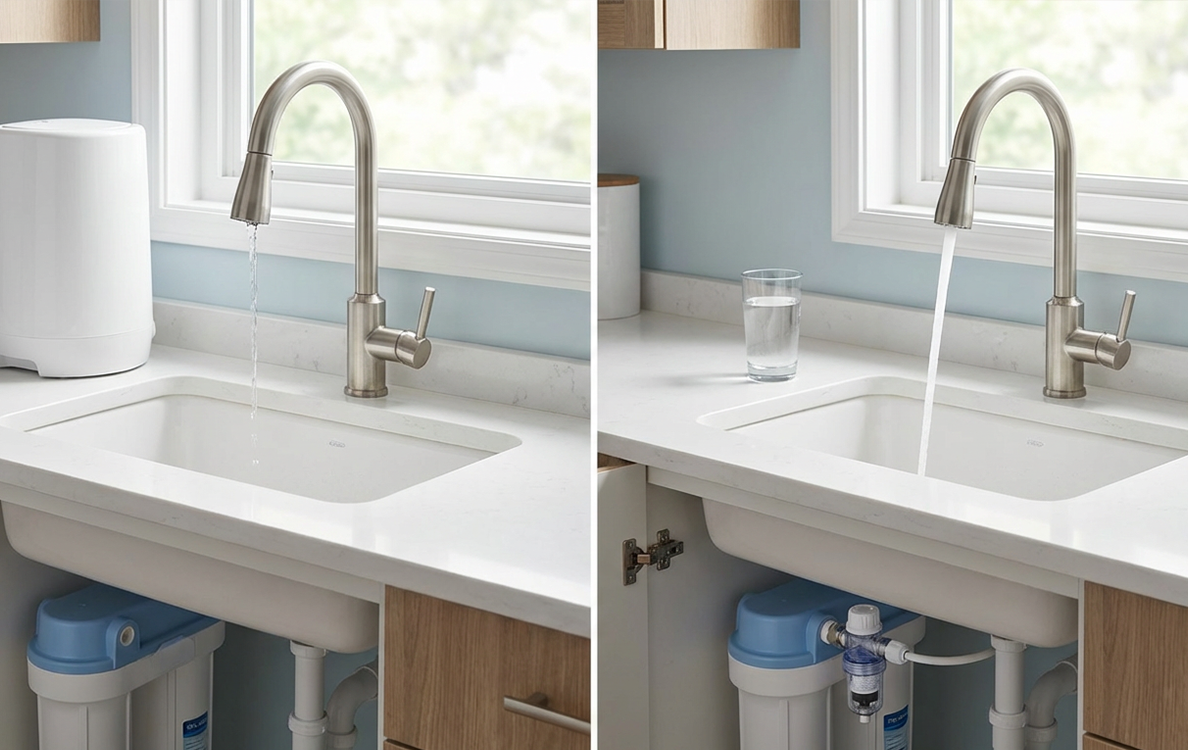
Do you find your water pressure has dropped after getting a new filter? You’re not the only one. Many people deal with this problem. It can happen for reasons like clogged filters or pipe problems.

The Environmental Protection Agency (EPA) says keeping safe water pressure between 40-60 PSI is key. This helps avoid damage to your plumbing. Issues like using the wrong filter size can also lower pressure. Luckily, fixing it might just mean backwashing or swapping out the cartridge.
If you’re struggling with this, reach out to info@pureh2ohome.com. They can offer tailored advice to solve your problem.
Key Takeaways
- Clogged filters can significantly reduce water pressure.
- Pipe issues may also contribute to low pressure after filter installation.
- Maintaining water pressure between 40-60 PSI is recommended by the EPA.
- Backwashing or cartridge replacement can resolve pressure issues.
- Proper filter sizing is crucial to maintaining optimal water pressure.
Understanding Water Pressure Basics
Water pressure is key in plumbing systems. Knowing the basics can help fix common problems. It’s important to know what normal water pressure is and how it affects your plumbing.
What Is Normal Water Pressure?
Normal water pressure is between 40 and 60 PSI. This is good for most household needs like drinking, cooking, and cleaning. Too little pressure means not enough water, and too much can damage pipes and fixtures.
EPA Guidelines for Safe Water Pressure (40-60 PSI)
The Environmental Protection Agency (EPA) says to keep water pressure between 40 and 60 PSI. The EPA says this range prevents pipe damage and keeps water safe. It also makes sure water is at a comfortable pressure for home use.
Here’s a table showing how different pressures affect your plumbing:
| Pressure (PSI) | Effect on Plumbing System | Recommended Action |
|---|---|---|
| Below 40 | Low water supply, inadequate pressure for fixtures | Check for clogs, consider a pressure booster |
| 40-60 | Optimal pressure for household needs | Maintain current system, monitor pressure |
| Above 60 | Risk of pipe damage, increased water consumption | Install a pressure regulator to reduce pressure |
Keeping water pressure in the right range is vital for your plumbing’s life and water quality. By knowing water pressure basics and following EPA guidelines, you can improve water pressure and avoid water pressure too low issues.
Why Water Pressure Drops After Filter Installation
Many people notice their water pressure goes down after putting in a water filter. This problem can come from the filter itself or the plumbing system.
The Physics Behind Water Filtration and Pressure
Water filters work by trapping bad stuff in the water. This makes it harder for water to flow, which lowers the pressure. How much the pressure drops depends on the filter’s design and how fast the water moves.
Common Filter Types and Their Impact on Pressure
Not all water filters affect pressure the same way. Activated carbon filters usually don’t lower pressure much. But, reverse osmosis systems can really cut down on pressure because they filter water very thoroughly. Knowing what kind of filter you have helps figure out why your pressure might be low.
Expected vs. Problematic Pressure Reduction
Some drop in pressure is okay after getting a filter. But, a big or sudden drop means there’s a problem. Maybe the filter is clogged, or the filter was put in wrong. Or maybe there’s something blocking the pipes.
To fix low water pressure, look at the filter type, how well it’s been taken care of, and the plumbing’s condition. Keeping the filter clean and choosing the right size can help a lot.
How to Fix Low Water Pressure After Filter Installation
Fixing low water pressure after installing a filter is easy with the right steps. If you notice water pressure dropping after installing a filter, find the cause and fix it.
Initial Assessment Steps
Start by checking the situation. Look at the filter and pipes for blockages or problems. Make sure the filter is installed right and pipes are clear.
- Check the filter for clogs or damage.
- Look for restrictions or blockages in the pipes.
- Make sure the filter fits your water needs.
Quick Fixes for Immediate Relief
For quick fixes, try these:
Backwashing your filter can clear debris causing low pressure. Here’s how to backwash:
- Turn off the water supply to the filter.
- Open the backwash valve.
- Let the system backwash for the recommended time.
- Close the backwash valve and turn on the water supply.
Another fix is to replace the filter cartridge. If your filter has replaceable cartridges, new ones can boost water pressure.
Long-Term Solutions for Optimal Pressure
For lasting solutions, consider these:
| Solution | Description | Benefits |
|---|---|---|
| Proper Filter Sizing | Ensure the filter is correctly sized for your water needs. | Prevents pressure drop, optimal filtration. |
| Regular Maintenance | Regularly inspect and maintain your filter system. | Prolongs filter life, maintains water pressure. |
| Upgrading Filter Components | Consider upgrading to high-flow filter components. | Improves water pressure, enhances filtration efficiency. |
By using these solutions, you can keep water pressure high and enjoy filtered water.
Diagnosing Clogged Filter Issues
It’s key to spot clogged filter problems early to keep water pressure up. A clogged filter can cut down water flow and pressure. This can cause many plumbing issues at home.
Signs Your Filter Is Clogged
Spotting a clogged filter early can stop bigger problems. Look out for these signs:
- Reduced water flow from faucets and appliances
- Increased pressure drop across the filter
- Visible sediment or debris in the filter
- Decreased filter performance over time
These signs mean your filter isn’t working right. It might need cleaning or replacing.

Testing Filter Performance
To figure out if your filter is clogged, test it. Here’s how:
- Measure the pressure before and after the filter
- Check the flow rate through the filter
- Look for visible signs of clogging on the filter
Testing regularly helps catch problems early.
Common Contaminants That Cause Clogging
Many things can clog filters, including:
- Sediment and particulate matter
- Chlorine and other chemicals
- Heavy metals like lead and mercury
- Biological contaminants such as bacteria and viruses
Knowing what clogs filters helps pick the right one and schedule maintenance.
Fixing clogged filter issues quickly keeps water pressure high. It also makes plumbing systems last longer.
Step-by-Step Filter Maintenance Solutions
Low water pressure can be frustrating. But, it often gets better with the right filter care. Regular upkeep not only boosts water pressure. It also makes your filter last longer.
Backwashing Your Filter System
Backwashing is key for filters with granular media like activated carbon or sand. Here’s how to do it:
- Turn off the water supply to the filter.
- Open the backwash valve and let water flow in reverse through the media.
- Keep backwashing until the water is clear, showing the media is clean.
- Close the backwash valve and start normal operation again.
This method removes debris and contaminants that can lower water pressure.
Replacing Filter Cartridges
Filters with replaceable cartridges need regular replacement. How often depends on the maker’s advice and your water use. Here’s how to replace a cartridge:
- Turn off the water supply.
- Release the system’s pressure.
- Open the filter housing and take out the old cartridge.
- Check the housing for debris and clean it if needed.
- Put in a new cartridge, making sure it fits right.
- Close the housing and turn on the water supply.
Changing cartridges often greatly boosts water pressure. It keeps the filter working well.
Cleaning Filter Housing and Components
Over time, filter parts can get clogged with sediment and scale. This lowers water pressure. To clean them:
- Take apart the filter housing as the maker says.
- Soak the parts in water and a mild cleaner, like vinegar or a descaling solution.
- Use a soft brush to get rid of tough deposits.
- Rinse well and put the filter back together.
| Maintenance Task | Frequency | Benefits |
|---|---|---|
| Backwashing | Monthly or as needed | Removes debris, improves flow rate |
| Replacing Cartridges | Every 6-12 months | Ensures optimal filtration, improves water pressure |
| Cleaning Housing | Every 6-12 months | Removes scale and sediment, maintains system efficiency |
By following these steps, you can fix low water pressure and keep your filter system running smoothly.
Addressing Pipe and Installation Issues
Pipe restrictions, bad installation, and wrong bypass valve settings often cause low water pressure. The plumbing system’s setup and condition are key, not just the filter itself.
Checking for Pipe Restrictions
Pipe restrictions can really cut down on water pressure. They can happen for many reasons, like:
- Corrosion or scaling inside the pipes
- Mineral buildup
- Kinked or bent pipes
- Improperly sized pipes for the filtration system
To find pipe restrictions, homeowners can:
- Look for kinks or damage on visible pipes
- Use a pipe inspection camera to see inside
- Check water pressure at different points
Improper Installation Problems
Bad installation of the filtration system or plumbing can also cause low water pressure. Common problems include:
- Incorrectly sized pipes or fittings
- Loose or improperly sealed connections
- Incorrect configuration of the filtration system
To fix these issues, it’s important to check the installation. Make sure all parts are correctly fitted and sealed.
Fixing Bypass Valve Settings
The bypass valve is key in many water filtration systems. It lets users bypass the filter when needed. But, if set wrong, it can lower water pressure.
To fix bypass valve settings:
- Find the bypass valve and make sure it’s in the right spot
- Look for any damage or wear on the valve
- Check the system’s manual for how to adjust the bypass valve
By fixing pipe restrictions, installation problems, and bypass valve settings, homeowners can often solve low water pressure. Regular checks and maintenance can also stop these problems before they start.
Advanced Troubleshooting for Persistent Pressure Problems
When you face ongoing low water pressure after installing a water filter, it’s time for advanced troubleshooting. If simple fixes don’t work, you need to explore deeper into your system. This will help you find the real cause of the problem.
Using Pressure Gauges for Diagnosis
Pressure gauges are a key tool for finding low water pressure. They measure the water pressure in your system. This shows if the problem is with the filter or somewhere else in your plumbing.
Steps to use a pressure gauge:
- Attach the pressure gauge to a faucet or valve near the filter system.
- Read the pressure with the water off, then on.
- Compare your readings to the recommended 40-60 PSI range.
Identifying Pressure Drop Points in Your System
Pressure drops in your system can point to the problem area. By checking pressure at different points, you can find where the issue is.
Key areas to check for pressure drops:
- The inlet and outlet of the filter system.
- Valves and fittings.
- Long pipe runs or narrow diameters.
Multiple Filter Systems: Special Considerations
For homes or businesses with multiple filters, understanding how they work together is key. Each filter can lower pressure. Knowing how each filter affects the system is important.
Considerations for multiple filter systems:
- Check if filters are in series or parallel.
- Look at the flow rate and pressure drop for each filter.
- Think about using high-flow filters or changing the system for better pressure.
Upgrading Your Filtration System for Better Pressure
To boost water pressure, consider high-flow filters or parallel installation configurations. Upgrading is key when your current filter system can’t keep up with water demand.

High-Flow Filter Options
High-flow filters let more water through while still filtering well. They help reduce pressure drop and are perfect for places with lots of water use.
High-flow filters offer:
- More water flow
- Less pressure loss
- Better system performance
Parallel Installation Configurations
Setting up filters in parallel can also up your water pressure. This way, water is split among filters, easing the load on each one and cutting down on pressure loss.
Parallel installation brings:
- Better water pressure
- Longer filter life due to less load
- Easier maintenance, as you can work on one filter at a time
Pressure-Boosting Solutions
Upgrading filters is just the start. Pressure-boosting solutions like a booster pump or adjusting the pump can also help. These steps can make a big difference in water pressure.
Pressure-boosting solutions bring:
- Higher water pressure
- More reliable system
- Efficiency and performance boost
Exploring these upgrade paths can greatly enhance your water filtration system’s performance. It ensures you have the best water pressure possible.
Preventative Maintenance to Maintain Optimal Pressure
To avoid water pressure issues, it’s essential to implement a preventative maintenance routine. Regular maintenance ensures optimal water pressure and prolongs your plumbing system’s lifespan.
Creating a Maintenance Schedule
Developing a maintenance schedule is the first step in preventative maintenance. This schedule should include regular checks on your filter system. This includes backwashing and replacing filter cartridges as needed.
- Check filter performance monthly
- Backwash your filter system every 3-6 months
- Replace filter cartridges every 6-12 months
Early Warning Signs of Pressure Issues
Being aware of the early warning signs of water pressure issues is crucial. This helps you address problems before they become severe. Some common signs include:
- Fluctuating water pressure
- Leaks around the filter or pipes
- Reduced water flow
Monitoring these signs can help you identify potential issues early. This allows for timely interventions.
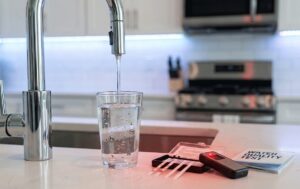
Water Quality Testing and Its Importance
Regular water quality testing is crucial for maintaining optimal water pressure. Contaminants in the water can clog filters and reduce water pressure. Testing helps identify these contaminants, allowing you to take corrective action.
| Contaminant | Effect on Water Pressure | Recommended Test Frequency |
|---|---|---|
| Sediment | Clogs filters, reducing pressure | Every 6 months |
| Heavy Metals | Can corrode pipes, affecting pressure | Annually |
| Bacteria | Can clog filters and pipes | Every 3 months |
By following these preventative maintenance tips, you can improve water pressure and ensure your plumbing system operates efficiently. Regular maintenance is key to avoiding water pressure issues and prolonging the life of your system.
When to Call a Professional
Knowing when to call a professional for low water pressure can save time and avoid more problems. While some issues can be fixed on your own, others need a water treatment specialist’s help.
Signs of Serious Plumbing Issues
It’s important to know when a problem is serious. Look out for these signs:
- Persistent low water pressure despite DIY fixes
- Visible leaks or water damage around the filter or pipes
- Unusual noises coming from the plumbing system
- Fluctuating water pressure
If you see any of these signs, get professional help to avoid more damage.
Finding a Qualified Water Treatment Specialist
When looking for help with low water pressure, find a qualified water treatment specialist. Here’s how:
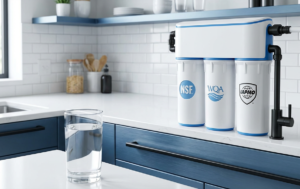
- Check for certifications from reputable organizations like the Water Quality Association (WQA) or NSF International
- Read reviews and ask for referrals from friends, family, or neighbors
- Verify their experience with water filtration systems and low water pressure issues
Choosing a qualified specialist ensures your issue is fixed right.
What to Expect from Professional Service
When you hire a professional for low water pressure, here’s what to expect:
- A thorough assessment of your plumbing system and water filtration setup
- Identification of the root cause of the low water pressure
- Recommendations for repairs or upgrades
- Expert installation or repair of the necessary components
Knowing what to expect helps you prepare for fixing your low water pressure issue.

If you’re dealing with low water pressure after installing a filter, don’t hesitate to troubleshoot low water pressure or fix low water pressure after filter installation with a professional. Their expertise can solve the problem efficiently and effectively.
Conclusion
Fixing low water pressure after installing a filter is key for a good water supply at home. Knowing why water pressure drops and how to fix it helps. This way, you get clean water without harming your plumbing.
We looked at why water pressure might be low after a filter is put in. This includes clogged filters, blocked pipes, and wrong installation. We also talked about the need for regular maintenance to keep water flowing well.
To solve low water pressure, think about using high-flow filters or installing them in parallel. If problems keep happening, getting help from a water treatment expert might be needed. For more help with filters, contact info@pureh2ohome.com.
By using these fixes, you can make sure your water is safe and reliable. This protects your family’s health and keeps your plumbing in good shape.

Simply wanna state that this is very useful, Thanks for taking your time to write this.
Thank you! I’m glad you found it useful, and I appreciate you taking the time to leave a comment.