Rust in Water: Causes, Health Risks, and Iron Removal Filters
Rust in water can indicate iron corrosion or sediment from plumbing, but color alone cannot identify the source or show whether water meets drinking-water standards. Check whether the issue appears at one fixture or throughout the home and whether it affects hot or cold water. If it persists, arrange appropriate testing and choose treatment based on the results rather than assuming every case needs the same filter.

The causes of rust in water are varied, but the health implications are significant. Consuming water with high levels of rust can lead to various health problems. Fortunately, iron removal filters offer an effective solution.
For more information on selecting the right iron removal filters for your home, feel free to contact us at info@pureh2ohome.com.
Key Takeaways
- Rust in water is caused by the corrosion of old infrastructure.
- Consuming rusty water can pose health risks.
- Iron removal filters are an effective solution to this problem.
- Proper selection of iron removal filters is crucial.
- Contacting experts can help in choosing the right filters.
The Science Behind Rust in Water
The presence of rust in water is a complex issue, influenced by various chemical and environmental factors. “Rust is a common problem that affects the quality of water, making it essential to understand its causes,” says a water quality expert.

Chemical Composition of Iron in Water
Iron in water exists in various forms, primarily as ferrous (Fe2+) and ferric (Fe3+) ions. The presence of these ions can lead to the formation of rust, especially when oxygen is present.
Natural vs. Man-made Sources of Iron
Iron in water can originate from both natural sources, such as soil and rocks, and man-made sources, including corroded pipes and industrial waste. Understanding these sources is crucial for addressing the issue.
How Iron Enters Your Water Supply
Iron enters the water supply through the corrosion of iron-containing materials in contact with water. This process can be accelerated by factors such as low pH, high oxygen levels, and the presence of certain bacteria.
By understanding the science behind rust in water, homeowners can take the first step towards mitigating its effects and ensuring a cleaner, safer water supply.
Identifying Iron Contamination in Your Home
The presence of iron in water can be identified through several indicators that homeowners should be aware of. Recognizing these signs early can help mitigate potential issues.
Visual Signs: Orange and Brown Stains
One of the most noticeable signs of iron contamination is the appearance of orange and brown stains on fixtures and surfaces. These unsightly stains can be particularly problematic in bathrooms and kitchens.

Sensory Indicators: Taste and Odor
Iron contamination can also affect the taste and odor of your water. Water with high iron levels may have a metallic taste or a foul smell, making it unpleasant for drinking and cooking.
Testing Methods for Iron Detection
To accurately determine iron levels, homeowners can use various testing methods. These include DIY test kits and professional water testing services.
| Testing Method | Accuracy | Cost |
|---|---|---|
| DIY Test Kits | Moderate | Low |
| Professional Testing | High | Moderate to High |
Health Risks Associated with Iron in Water
Iron in water is not just an aesthetic issue; it can also have serious health implications. While iron is an essential nutrient, excessive consumption through drinking water can lead to various health issues.
EPA Standards for Safe Iron Levels
The Environmental Protection Agency (EPA) sets a secondary maximum contaminant level (SMCL) for iron in drinking water at 0.3 mg/L. This standard is primarily aimed at addressing aesthetic concerns such as taste, odor, and staining rather than health risks directly.
Potential Health Effects of Excessive Iron
Excessive iron intake can cause health problems, including gastrointestinal issues like nausea and vomiting. Long-term exposure to high levels of iron can also lead to more serious conditions such as hemochromatosis, a disorder that causes the body to absorb too much iron from food and water.
Special Considerations for Vulnerable Populations
Certain groups are more susceptible to the adverse effects of excessive iron intake. These include:
- Children and Pregnant Women: High iron levels can be particularly risky for children due to their smaller body size and developing physiology. Pregnant women also need to be cautious as excessive iron can affect both mother and fetus.
- People with Hemochromatosis: Individuals diagnosed with hemochromatosis need to be especially cautious about their iron intake, including from drinking water, to avoid complications.
| Population Group | Health Risks | Precautions |
|---|---|---|
| Children | Gastrointestinal issues, potential long-term effects on development | Monitor iron levels, use iron removal filters |
| Pregnant Women | Risks to both mother and fetus, potential for hemochromatosis | Regular health check-ups, consider iron removal systems |
| People with Hemochromatosis | Exacerbation of the condition, organ damage | Strict monitoring of iron intake, medical supervision |

The Destructive Impact of Rusty Pipes
Rusty pipes are a sign of a larger issue that needs to be addressed promptly. The corrosion of pipes can lead to a multitude of problems, affecting not just the quality of your water but also the integrity of your home’s plumbing system.
How Pipes Corrode Over Time
Pipe corrosion occurs due to the natural aging process of the pipes, exposure to oxygen, and the presence of certain minerals in the water. Over time, this corrosion can weaken the pipes, making them more susceptible to leaks and ruptures.
- Exposure to oxygen and minerals accelerates corrosion.
- Aging pipes become weaker and more prone to damage.
- Corrosion can lead to the formation of rust, which further deteriorates the pipes.
Damage to Plumbing Systems
The damage caused by rusty pipes can be extensive, affecting various components of your plumbing system. This includes:
- Leaks and ruptures that can cause water damage.
- Clogged drains due to the accumulation of rust and debris.
- Reduced water pressure resulting from corroded pipes.
Financial Costs of Pipe Replacement
Replacing rusty pipes can be a costly endeavor. The financial burden includes:
- The cost of new pipes and materials.
- Labor costs for professional plumbers.
- Potential costs for repairing water damage caused by leaks.
Addressing the issue of rusty pipes promptly can help mitigate these costs and prevent further damage to your plumbing system.
Iron Bacteria: A Growing Problem
One of the most overlooked issues in water quality is the presence of iron bacteria, which can have far-reaching consequences. Iron bacteria are microorganisms that thrive in environments where iron is present, and they can significantly impact both the quality and safety of water supplies.
Identifying Iron Bacteria Contamination
Identifying iron bacteria contamination involves recognizing its signs and symptoms. Common indicators include:
- Slime or biofilm formation in pipes and plumbing fixtures
- Unpleasant odors, often described as earthy or musty
- Visible signs of corrosion on metal surfaces
- Red, orange, or yellow discoloration of water
How Bacteria Accelerate Corrosion
Iron bacteria accelerate corrosion by creating an environment that fosters the oxidation of iron. This process not only damages pipes and plumbing fixtures but also contributes to the deterioration of water quality. The bacteria form colonies and produce slime, which can clog pipes and reduce the efficiency of water treatment systems.
Biofilm Formation and Its Consequences
The biofilm formed by iron bacteria can have severe consequences, including increased corrosion rates, reduced water flow, and enhanced bacterial growth. This biofilm provides a protective environment for bacteria, making them more resistant to disinfection and treatment. To remove rust from well water effectively, it’s crucial to address iron bacteria contamination by implementing appropriate treatment strategies.
Understanding and addressing iron bacteria contamination is essential for maintaining clean and safe water supplies. By recognizing the signs of contamination and taking proactive measures, homeowners can mitigate the risks associated with iron bacteria.
The Battle Against Orange Stains
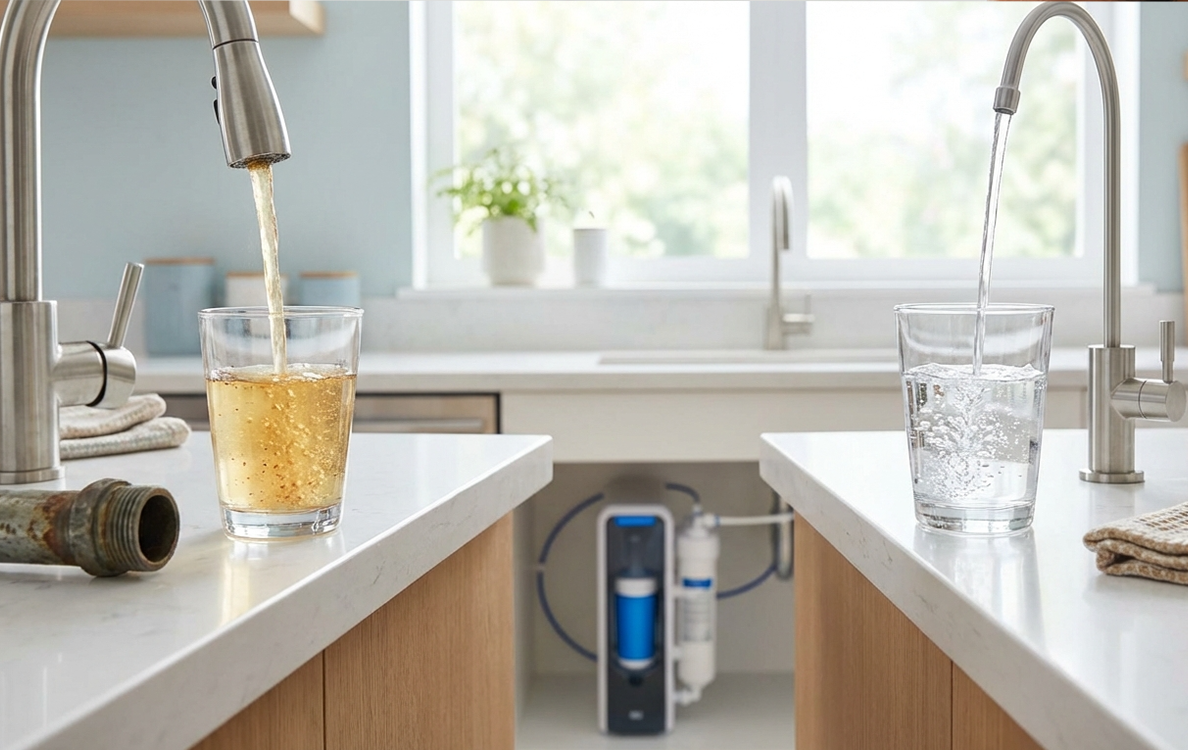
Iron contamination in water is a common cause of orange staining in homes. These unsightly stains can be particularly frustrating as they tend to persist if not addressed properly.
Why Iron Causes Persistent Staining
Iron in water oxidizes when it comes into contact with air, leading to the formation of rust, which manifests as orange or brown stains. This reaction is the primary reason for the persistent nature of these stains.
Affected Areas in Your Home
Orange stains can appear in various areas of your home, including:
- Bathroom Fixtures: Sinks, toilets, and showers are common areas where these stains appear.
- Appliances and Laundry: Washing machines and dishwashers can also be affected, leading to staining on clothes and dishes.
Effective Cleaning Solutions
To combat orange stains, several cleaning solutions can be effective:
- Using a mixture of vinegar and baking soda to remove stains from bathroom fixtures.
- Employing specialized iron stain removers for more stubborn stains.
How to Remove Iron from Water: Comprehensive Solutions
Effective iron removal from water involves choosing the right treatment technology for your home. Iron contamination can lead to unpleasant taste, staining, and damage to plumbing systems. Therefore, understanding the available solutions is crucial.
Temporary vs. Permanent Treatment Options
When it comes to removing iron from water, households can choose between temporary and permanent treatment solutions. Temporary measures might include using chemical oxidizers or filters that need frequent replacement. In contrast, permanent solutions involve installing comprehensive iron removal systems.
Point-of-Entry vs. Point-of-Use Systems
Iron removal systems can be categorized into point-of-entry (POE) and point-of-use (POU) systems. POE systems treat all the water entering the home, while POU systems are installed at specific faucets or appliances. The choice between POE and POU depends on the extent of iron contamination and household needs.
Effectiveness Comparison Chart
| Treatment Type | Effectiveness Against Iron | Maintenance Requirements |
|---|---|---|
| Oxidation Filtration | High | Periodic filter replacement |
| Water Softeners | Moderate | Regular salt replenishment |
| Reverse Osmosis | High | Frequent membrane replacement |
Choosing the right iron removal system depends on several factors, including the level of iron contamination, household size, and budget. By understanding the different treatment options and their effectiveness, homeowners can make informed decisions to ensure clean and safe water.
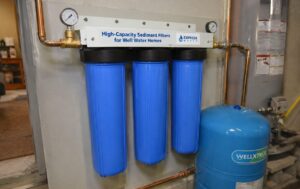
Types of Iron Removal Filters Explained
Understanding the different types of iron removal filters is crucial for homeowners dealing with iron-contaminated water. Iron in water can cause unpleasant taste, odor, and staining, making it essential to choose the right filtration system.
Water Softeners for Ferrous Iron
Water softeners are often used to remove ferrous iron (dissolved iron) from water. They work by exchanging sodium or potassium ions for iron ions, effectively removing iron from the water. However, their effectiveness decreases with high iron concentrations.
Oxidation Filtration Systems
Oxidation filtration systems oxidize the iron, making it easier to filter out. These systems are effective for both ferrous and ferric iron removal. They often use oxygen or chlorine to oxidize the iron, which is then trapped by a filter.
Manganese Greensand Filters
Manganese greensand filters are a popular choice for iron removal. They use a special filter media coated with manganese dioxide, which oxidizes and removes iron. These filters are effective but require periodic regeneration.
Air Injection Oxidizing Systems
Air injection oxidizing systems inject air into the water, oxidizing the iron, which is then removed by a filter. These systems are efficient and environmentally friendly, as they use air instead of chemicals for oxidation.
| Filter Type | Effectiveness | Maintenance |
|---|---|---|
| Water Softeners | Good for low iron levels | Regular salt replacement |
| Oxidation Filtration | High for both ferrous and ferric iron | Periodic media replacement |
| Manganese Greensand | High for iron and manganese | Periodic regeneration required |
| Air Injection Oxidizing | High for ferrous iron | Low maintenance |
Choosing the right iron removal filter depends on the type and concentration of iron in your water, as well as your maintenance preferences. Consulting with a water treatment professional can help determine the best solution for your home.
Advanced Treatment for Severe Iron Problems
Severe iron problems in water require more than just basic filtration; they demand advanced treatment solutions. When iron levels are excessively high, it can lead to significant issues with water quality, affecting both household appliances and human health.
Chemical Injection Systems
Chemical injection systems are a highly effective method for treating severe iron contamination. These systems work by injecting chemicals into the water supply to oxidize the iron, making it easier to filter out. This method is particularly useful for high-flow systems and can be tailored to the specific needs of the household.
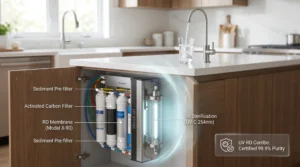
Reverse Osmosis Technology
Reverse osmosis (RO) technology is another advanced solution for severe iron problems. RO systems force water through a semi-permeable membrane, removing iron and other contaminants. This method is highly effective but may require additional pre-treatment steps to ensure optimal performance.
Combination Treatment Approaches
In some cases, a combination of treatment approaches may be necessary to effectively remove iron from water. This could involve pairing chemical injection systems with RO technology or other filtration methods. A comprehensive approach ensures that all aspects of water quality are addressed.
| Treatment Method | Effectiveness for Iron Removal | Maintenance Requirements |
|---|---|---|
| Chemical Injection Systems | High | Regular chemical refills |
| Reverse Osmosis Technology | Very High | Periodic membrane replacement |
| Combination Treatment | Extremely High | Variable, depending on components |
By understanding the available advanced treatment options, homeowners can make informed decisions about how to address severe iron problems in their water supply. Whether through chemical injection, reverse osmosis, or a combination approach, effective iron removal is within reach.
Selecting the Right Iron Removal System for Your Home
With numerous iron removal filters available, selecting the most suitable one for your home can be a daunting task without proper guidance. The key to making an informed decision lies in understanding your household’s specific water treatment needs.
Water Testing and Analysis
The first step in choosing the right iron removal system is to conduct a comprehensive water test. This analysis will help identify the type and concentration of iron in your water, as well as other contaminants that may be present.
Household Size and Water Usage Considerations
The size of your household and your daily water usage are critical factors in determining the capacity of the iron removal system you need. Larger households require systems with higher treatment capacities.
Budget Planning and Return on Investment
When planning your household water treatment solution, it’s essential to consider both the initial cost of the system and the long-term operating expenses. While some systems may be more expensive upfront, they can offer significant savings over time through reduced maintenance and replacement costs.
Professional Consultation Services
Given the complexity of selecting the right iron removal system, consulting with water treatment professionals can provide valuable insights tailored to your specific situation. Experts can help you navigate the options and choose a system that meets your needs and budget.
By carefully considering these factors and seeking professional advice when needed, you can select an iron removal filter that effectively addresses your household’s water quality challenges.
Installation and Maintenance Best Practices
To ensure your iron water filter operates at peak performance, it’s essential to follow best practices for installation and maintenance. A well-installed and properly maintained iron removal system not only improves water quality but also extends the lifespan of the equipment.
Professional Installation Guidelines
While some homeowners may consider DIY installation, complex iron removal systems often require professional expertise. Ensure that the installer is experienced and follows the manufacturer’s instructions. Proper installation includes correct sizing, appropriate piping, and adequate electrical connections.
DIY Maintenance Schedule
Regular maintenance is key to the longevity of your iron removal system. This includes periodic cleaning or replacement of filter media, checking for system leaks, and monitoring water pressure. Refer to your system’s manual for a recommended maintenance schedule.
| Maintenance Task | Frequency |
|---|---|
| Check Filter Media | Every 3-6 months |
| Inspect System for Leaks | Every 6 months |
| Monitor Water Pressure | Monthly |
Troubleshooting Common Issues
Common issues with iron removal systems include clogged filters, reduced water pressure, and system bypass. Refer to your system’s manual for troubleshooting tips or contact our experts at info@pureh2ohome.com for assistance.
When to Contact Our Experts
If you encounter persistent problems or are unsure about any aspect of your system’s operation, don’t hesitate to reach out to our team of experts. We’re here to help ensure your iron removal system continues to provide clean, iron-free water.
Achieving Clean, Iron-Free Water
Removing iron from water is crucial for a healthy and clean water supply. Iron contamination can cause unsightly orange stains, unpleasant taste, and odor, and even damage plumbing systems. By understanding the causes of iron in water and implementing effective solutions, homeowners can enjoy iron-free water.
Various iron removal filters, such as oxidation filtration systems and manganese greensand filters, can effectively remove iron from water. Selecting the right iron removal system depends on water testing and analysis, household size, and budget planning. Professional consultation services can help determine the best solution.
By taking action to remove iron from water, homeowners can prevent iron stain removal headaches and ensure a safe and clean water supply for drinking, cooking, and cleaning. Effective water purification systems can provide peace of mind and protect the health of families. With the right solution, achieving clean, iron-free water is within reach.