Lead in Drinking Water: Health Risks, Testing, and Removal Solutions
Lead in Drinking Water: Health Risks, Testing, and Removal Solutions
Lead contamination in drinking water is a serious concern that poses significant health risks, particularly for children and pregnant women. Exposure to lead can cause developmental delays, learning disabilities, and a range of other health problems.

The presence of lead in drinking water often results from aging infrastructure and corroded pipes. It is crucial to understand the risks and take proactive steps to mitigate them. This comprehensive guide will walk you through the health risks associated with lead exposure, methods for testing drinking water, and effective solutions for removing lead.
Key Takeaways
- Understanding the health risks associated with lead exposure.
- Identifying sources of lead contamination in drinking water.
- Methods for testing lead levels in drinking water.
- Effective solutions for removing lead from drinking water.
- Preventive measures to minimize lead exposure.
Understanding Lead Contamination in Tap Water
The presence of lead in drinking water poses significant health risks, making it crucial to understand its sources and impacts. Lead contamination can occur through various means, and its effects on health can be severe, especially in vulnerable populations.
What is Lead and Where Does it Come From?
Lead is a toxic metal that can be found in various environments, including in tap water. It is often a result of corrosion of lead-containing materials in plumbing systems. Lead can enter drinking water through:
- Corroded pipes
- Fixtures and fittings
- Solder used in plumbing
Common Sources of Lead in Drinking Water
Several sources contribute to lead contamination in tap water, including:
- Old infrastructure: Aging water distribution systems with lead pipes or lead-based solder.
- Household plumbing: Lead-containing fixtures, faucets, and fittings.
- Service lines: Lead service lines connecting homes to the water main.
Identifying and addressing these sources is critical to reducing lead exposure.
Health Impacts of Lead Exposure
Lead exposure, even at low levels, can have significant health impacts, particularly on children and pregnant women. Common health effects include:
- Developmental delays
- Reduced IQ
- Increased blood pressure
Understanding these risks is essential for taking preventive measures against lead contamination in drinking water.
The Risks of Corroded Pipes and Lead
Lead contamination in tap water is often linked to the corrosion of pipes, a problem that can have serious health implications. Corroded pipes can leach lead into drinking water, posing significant health risks, particularly to children and pregnant women.
How Corroded Pipes Contribute to Lead Contamination
Corrosion in pipes can occur due to aging infrastructure, water chemistry, and other factors. When pipes corrode, they can release lead particles into the water supply. Regular maintenance and inspection are crucial in mitigating this risk.
The likelihood of corrosion is higher in older homes with outdated plumbing systems. Homeowners should be aware of the signs of corrosion and take proactive steps to address the issue.
Recognizing Signs of Pipe Corrosion
Identifying the signs of pipe corrosion early can help prevent lead contamination. Common indicators include discolored water, leaks, and unusual noises from the plumbing system.
- Discolored water: Water that appears brown, yellow, or cloudy may indicate corrosion.
- Leaks: Frequent leaks or water damage can be a sign of corroded pipes.
- Unusual noises: Clanging, banging, or gurgling sounds from pipes can signal corrosion or other issues.
When to Replace Aging Plumbing
Knowing when to replace aging plumbing is essential for preventing lead contamination. Factors to consider include the age of the plumbing system, the material of the pipes, and any history of corrosion or leaks.
| Age of Plumbing | Material | Recommended Action |
|---|---|---|
| 50+ years | Galvanized steel or lead | Replacement recommended |
| 20-50 years | Copper or PVC | Inspect regularly, consider replacement if signs of corrosion |
| Less than 20 years | Modern materials | Regular inspection, maintenance as needed |
Importance of Lead Water Testing
Testing your drinking water for lead is a crucial step in ensuring the health and safety of your family. Lead contamination can occur through corroded pipes, fixtures, and soldering in older homes, posing serious health risks, especially to children and pregnant women.
Understanding the risks associated with lead exposure is vital. Lead can cause developmental delays, lower IQ, and other health problems. Therefore, knowing how to test your water effectively is a significant step in protecting your loved ones.
How Lead Water Testing Kits Work
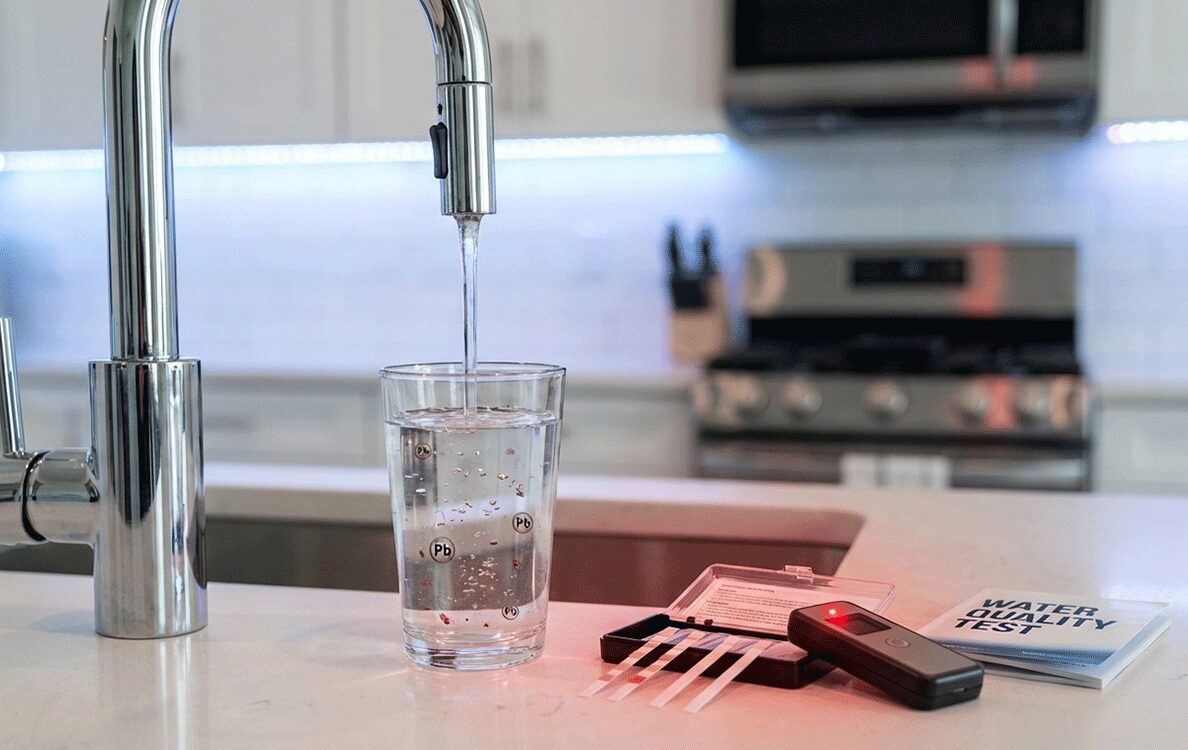
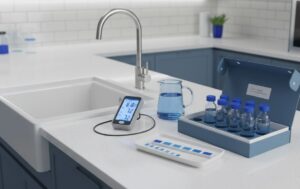
Lead water testing kits are designed to detect the presence of lead in drinking water. These kits usually involve collecting a water sample and then using a testing device to analyze it for lead contamination. Some kits provide instant results, while others may require sending the sample to a laboratory for analysis.
The process typically involves:
- Collecting a water sample from your tap, following the kit’s instructions.
- Using the testing device provided to analyze the sample.
- Interpreting the results based on the guidelines given with the kit.
Choosing the Right Testing Kit
When selecting a lead water testing kit, consider the following factors:
- Accuracy and Reliability: Look for kits that are EPA-certified or have been validated by a reputable third-party organization.
- Ease of Use: Choose a kit with clear instructions and simple testing procedures.
- Cost: Compare prices among different kits, considering the features and accuracy.
Interpreting Your Testing Results
Once you have your test results, understanding what they mean is crucial. If your water tests positive for lead:
- Determine the Source: Identify potential sources of lead contamination, such as old pipes or fixtures.
- Consult a Professional: Consider hiring a certified plumber to inspect and potentially replace lead-containing components.
- Use a Filter: Install a water filter that is certified to remove lead.
Regular testing and taking appropriate actions can significantly reduce the risks associated with lead in drinking water, ensuring a safer and healthier environment for your family.
Steps to Remove Lead from Tap Water
Removing lead from tap water is a crucial step in ensuring the safety of your drinking water. Lead contamination can have serious health implications, especially for children and pregnant women. Therefore, understanding the effective methods for lead removal is essential for households, especially those with older plumbing systems.
Effective Filtration Options
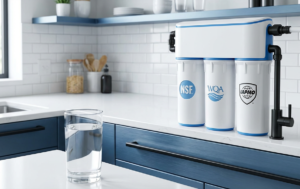
One of the most effective ways to remove lead from tap water is through the use of filtration systems. Not all filters are created equal; some are specifically designed to remove lead. Activated carbon filters and reverse osmosis systems are among the most effective options. When choosing a filtration system, look for certifications from reputable third-party organizations such as NSF International or the Water Quality Association, which verify the filter’s ability to remove lead.
Boiling vs. Filtration: What Works?
Boiling water is a common method for killing bacteria and viruses, but it does not remove lead. In fact, boiling can concentrate lead levels if water is boiled down significantly. Therefore, boiling alone is not an effective method for removing lead from tap water. Filtration, on the other hand, is a reliable method for lead removal, provided the filter is certified for lead removal.
“The most effective way to remove lead from drinking water is through filtration systems that are certified to remove lead.” – EPA
Professional Lead Removal Services
For households with severe lead contamination, especially those with older plumbing, professional lead removal services may be necessary. These services can assess the plumbing system, identify sources of lead contamination, and implement solutions such as replacing lead service lines and fixtures. While this can be a costly option, it provides a long-term solution to lead contamination.
It’s also worth noting that some water utilities offer free or low-cost lead testing and may provide resources or recommendations for lead removal.
Prevention Tips for Homeowners
As a homeowner, you play a crucial role in ensuring your family’s safety from lead exposure. One of the most effective ways to prevent lead contamination is through regular inspection and maintenance of your plumbing system.
Regularly Inspecting and Maintaining Plumbing
Regular inspections can help identify potential issues before they become major problems. It’s essential to check for signs of corrosion, damage, or wear on pipes, fittings, and fixtures. Annual inspections are recommended to ensure your plumbing system remains in good condition.
Maintaining your plumbing involves replacing worn-out parts, ensuring that all connections are secure, and checking for any leaks. This proactive approach can significantly reduce the risk of lead leaching into your water supply.
| Inspection Task | Frequency | Importance Level |
|---|---|---|
| Check for pipe corrosion | Annually | High |
| Inspect fittings and fixtures | Annually | High |
| Look for signs of leaks | Quarterly | Medium |
Using Lead-Free Fixtures and Fittings
One of the most straightforward ways to prevent lead contamination is by ensuring that all fixtures and fittings in your home are lead-free. This includes faucets, pipes, and any other components that come into contact with your drinking water.
When replacing or installing new fixtures, look for products that are certified as lead-free or comply with relevant safety standards. This not only helps in preventing lead exposure but also contributes to overall water quality.
Educating Family Members About Lead Safety
Educating your family about the risks associated with lead exposure and the steps you are taking to mitigate these risks is crucial. This includes understanding the importance of using cold water for drinking and cooking, as hot water is more likely to contain higher levels of lead due to the faster corrosion of pipes.
Simple practices, such as running the tap for a few seconds before using water, can also help reduce exposure. By making these practices a part of your daily routine, you can significantly enhance your family’s safety.
What to Do if Lead is Detected
Detecting lead in your tap water can be alarming, but knowing the right steps can help mitigate the risks. Lead contamination is a serious issue that affects many households across the United States. Understanding how to respond is crucial.
Immediate Steps to Take
If lead is detected in your drinking water, the first step is to stop consuming it immediately. Using water filters that are certified to remove lead or switching to bottled water for drinking and cooking are effective temporary measures. It’s also advisable to let the water run for a few minutes before using it, as this can help clear out stagnant water that may contain higher levels of lead.
- Use a certified lead-removing filter or bottled water for drinking and cooking.
- Let the tap water run for 2-3 minutes before use.
- Avoid using hot tap water for cooking or drinking.
Reporting and Local Resources
Reporting the issue to local water authorities is a critical step. They can provide guidance on how to proceed and may offer additional resources for testing and remediation. Many communities have programs in place to help residents deal with lead contamination. Local health departments can also offer advice on minimizing exposure.
Contact your local water utility to report the contamination and inquire about available resources. They may provide information on lead service line replacement programs or other initiatives to improve water quality.
Long-Term Remedies and Solutions
For long-term safety, consider installing a water filtration system that is certified to remove lead. Regular maintenance of your plumbing system is also essential to prevent future contamination. Replacing old, corroded pipes and fixtures with lead-free alternatives is a significant step towards ensuring your water is safe to drink.

- Installing a whole-house water filtration system.
- Replacing lead service lines and plumbing fixtures.
- Regularly inspecting and maintaining your home’s plumbing system.
Special Considerations for Families with Children
The presence of lead in drinking water poses serious health risks, particularly for children whose bodies are still developing. Children’s vulnerability to lead exposure is a significant concern for parents and caregivers.
Why Children Are More Vulnerable to Lead
Children are more susceptible to the harmful effects of lead due to their developing brains and bodies. Lead exposure can result in developmental delays, learning disabilities, and a range of other health issues. According to the Centers for Disease Control and Prevention (CDC), there is no safe level of lead exposure for children.
Key Health Risks for Children Include:
- Developmental delays
- Learning disabilities
- Reduced IQ
- Behavioral problems
Creating a Safe Drinking Water Environment
To protect children from lead exposure, it’s essential to ensure their drinking water is safe. Here are some steps parents can take:
- Use a water filter that is certified to remove lead.
- Regularly check for lead contamination in your home’s plumbing.
- Teach children to let the water run for a minute before drinking, especially after a period of inactivity.
A study by the Environmental Protection Agency (EPA) highlights the importance of using lead-free fixtures and fittings to prevent contamination.
“Lead-free plumbing fixtures are crucial in reducing the risk of lead exposure in children.” – EPA
Resources for Parents and Caregivers
Parents and caregivers can access various resources to help manage lead exposure risks. These include local health departments, pediatricians, and online resources from reputable organizations.
| Resource | Description |
|---|---|
| CDC Lead Poisoning Prevention | Provides information on preventing lead poisoning and resources for families. |
| EPA Safe Drinking Water | Offers guidance on ensuring safe drinking water and reducing lead exposure. |
| Local Health Departments | Can provide specific advice and resources tailored to local conditions. |
By taking proactive steps and utilizing available resources, families can significantly reduce the risk of lead exposure for their children.
Community Resources and Support
Access to clean drinking water is a fundamental right, and there are several community resources available to support this cause. Communities across the United States are leveraging these resources to ensure safe drinking water for their residents.
Local Water Quality Reports
One of the primary resources available to communities is local water quality reports. These reports provide detailed information about the quality of drinking water, including any detected contaminants and the measures being taken to address them.
To access these reports, residents can typically visit their local water utility’s website or contact their local government. For example, the Consumer Confidence Report (CCR) is a yearly report that water utilities are required to provide to their customers, detailing the water quality over the past year.
| Report Type | Frequency | Information Included |
|---|---|---|
| Consumer Confidence Report (CCR) | Yearly | Water quality data, detected contaminants, compliance with regulations |
| Water Quality Testing Results | Quarterly/Annually | Detailed testing results for various contaminants |
Community Action Groups Against Lead Contamination
Community action groups play a vital role in combating lead contamination. These groups work to educate the public, advocate for policy changes, and support affected communities.
Some notable organizations include the Lead-Free Kids initiative and the National Resources Defense Council (NRDC). These organizations provide resources, support, and advocacy for communities dealing with lead contamination.
Government Programs and Assistance
Government programs are also available to assist communities in addressing lead contamination. These programs provide funding, technical assistance, and other resources to help communities ensure safe drinking water.
For instance, the Environmental Protection Agency (EPA) offers various programs and funding opportunities to support lead reduction efforts. Communities can apply for grants to replace lead service lines, implement new water treatment technologies, and more.
Debunking Myths About Lead in Drinking Water
The issue of lead in drinking water is frequently misunderstood, with several common myths requiring clarification. Many people are concerned about the safety of their tap water, and rightly so, given the potential health risks associated with lead exposure.
Understanding Common Misconceptions
One common misconception is that lead in drinking water is a problem only in older homes. While it’s true that older homes are more likely to have lead pipes, lead can be present in water infrastructure of any age, making it a widespread issue.
Another myth is that boiling water removes lead. Boiling water is not an effective method for removing lead; in fact, it can even concentrate lead levels by reducing the water volume through evaporation.
Facts About the Safety of Tap Water
Tap water safety is regulated by the Environmental Protection Agency (EPA), which sets standards for lead levels. Despite these regulations, many consumers remain skeptical about the safety of their tap water.
The EPA’s Lead and Copper Rule requires public water systems to monitor lead levels and take corrective actions when necessary. Understanding these regulations can help alleviate concerns about tap water safety.

The Role of the EPA in Water Safety
The EPA plays a crucial role in ensuring water safety by setting and enforcing standards for lead levels in drinking water. Their efforts include overseeing public water systems and providing guidance to consumers.
The EPA also works to educate the public about lead safety and the steps they can take to minimize exposure. By understanding the EPA’s role, consumers can better navigate the complex issue of lead in drinking water.
The Future of Water Quality and Lead Safety
As we move forward, the importance of ensuring safe drinking water continues to grow. Innovations in water testing and filtration are playing a crucial role in detecting and removing lead from our water supplies. Advanced technologies, such as real-time monitoring systems and more efficient filtration methods, are being developed to address the issue of lead contamination.
Advancements in Detection and Removal
New technologies are emerging that can detect lead at lower levels and remove it more effectively. For instance, some companies are developing filters that can be integrated into household plumbing systems, providing an additional layer of protection against lead exposure.
Legislative Actions and Community Engagement
Legislative efforts are underway to combat lead exposure through stricter regulations on water quality and infrastructure maintenance. Communities are also coming together to promote awareness about the risks of lead contamination and the steps that can be taken to mitigate them. By working together, we can create a safer and healthier environment for everyone.
Promoting a Safer Future
By embracing innovations in water testing and filtration, supporting legislative efforts, and engaging with our communities, we can ensure a future where clean and safe drinking water is accessible to all. This collective effort is crucial in protecting public health, especially for vulnerable populations such as children.


The other day, while I was at work, my cousin stole my iphone and tested to see if it can survive a twenty five foot drop, just so she can be a youtube sensation. My apple ipad is now destroyed and she has 83 views. I know this is completely off topic but I had to share it with someone!
Do you have a spam problem on this site; I also am a blogger, and I was curious about your situation; many of us have developed some nice procedures and we are looking to trade methods with other folks, why not shoot me an e-mail if interested.
Thank you for reaching out. Yes, spam can be a challenge from time to time, and we’re always working to improve our moderation methods. I’d be happy to exchange ideas and learn about the procedures you’re using.